
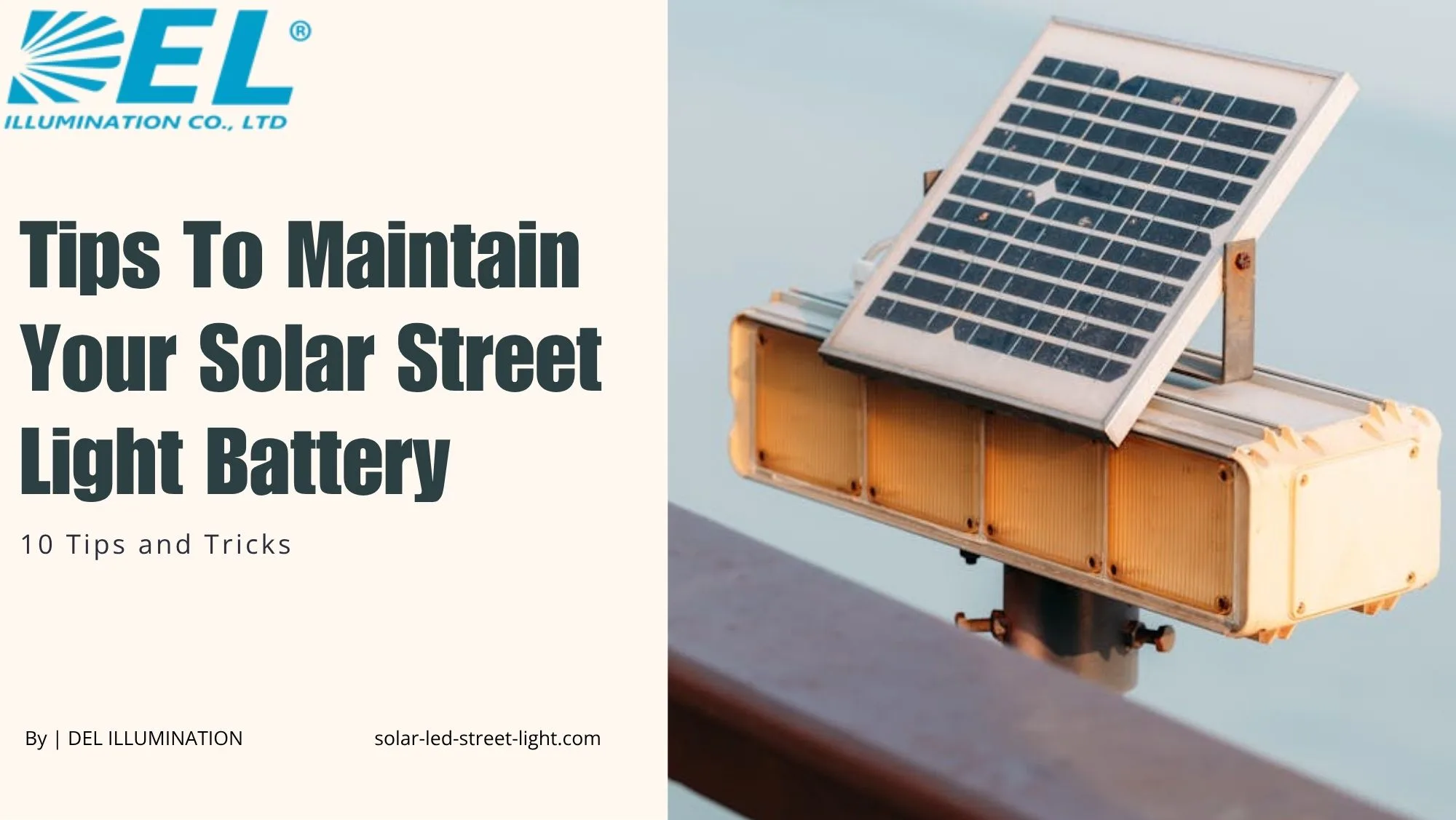
Solar street lights have gained significant popularity due to their energy efficiency and environmental benefits. At the heart of these lights lies a crucial component: the solar street light battery. The solar street light battery serves as the lifeblood of solar street lights, storing energy during the day and releasing it at night to keep streets illuminated safely. Let’s explore the fascinating world of solar street light batteries and uncover the key factors that contribute to their efficient operation.
From understanding battery types to implementing effective maintenance strategies, we will provide you with valuable insights and practical tips to ensure your solar street light battery delivers optimal performance year after year. If you want to learn more about how these systems work holistically, check out our detailed guide on the anatomy of solar LED street light luminaires.
Components of a Solar Street Light
A solar street light system consists of several interconnected components – solar panels, LED luminaires, charge controllers, mounting poles, and most critically, the solar street light battery. Each component plays a specific role, but the battery is what enables the system to function after sundown. Without a well-maintained solar street light battery, even the best solar panels and LEDs cannot deliver reliable nighttime lighting. For a broader overview of system design, read our article on design and construction of automatic solar street lights.
Types of Solar Street Light Battery
A solar street light battery stores and provides energy for solar-powered street lights. It is a rechargeable device designed to store electricity generated from solar panels during the day and release it at night to power the street light. Choosing the right type of solar street light battery is a critical first step. Here are the most commonly used options:
Lead Acid Batteries
Lead acid batteries have been widely used in solar applications for many years. They are affordable and have a relatively long lifespan. However, they are bulky, require regular maintenance, and have a lower energy density compared to other battery types. Despite their drawbacks, they remain a cost-effective choice for large-scale or budget-conscious installations.
Lithium-Ion Batteries
Lithium-ion batteries have gained popularity in recent years due to their high energy density, lightweight design, and longer lifespan compared to lead acid batteries. They have a higher initial cost but require minimal maintenance. Lithium iron phosphate (LiFePO4) batteries are a common type of lithium-ion battery used as a solar street light battery due to their stability, thermal safety, and consistent discharge performance. These are now widely regarded as the best solar street light battery option for modern installations.
Nickel-Metal Hydride (NiMH) Batteries
NiMH batteries offer a good balance between performance, cost, and environmental impact. They have a moderate energy density and a longer lifespan compared to lead acid batteries. However, they are less commonly used in a solar street light battery application compared to lithium-ion alternatives.
Sodium-Nickel Chloride (Zebra) Batteries
Zebra batteries are a type of molten salt battery that can serve as a solar street light battery in extreme conditions. They have a high energy density and can withstand extreme temperatures. However, they are less commonly used and have higher costs compared to other battery types.
Benefits of a Solar Street Light Battery
Understanding the advantages of a solar street light battery helps justify investment in proper maintenance. Here are five key benefits:
1. Enhanced Energy Efficiency
The enhanced energy efficiency of a solar street light battery allows it to provide consistent and reliable illumination, even during periods of low sunlight. Advanced charge controllers regulate the charging process and prevent overcharging or undercharging, thereby maintaining optimal energy levels. Moreover, active energy management systems in a solar street light battery enable dynamic adjustment of LED intensity based on ambient light levels, minimizing unnecessary energy consumption. To understand how solar energy capture is maximized, see our guide on reliable solar energy street light systems.
2. Cost-Effectiveness
The cost-effectiveness of a solar street light battery stems from several factors. These batteries require minimal maintenance, reducing ongoing operational expenses. They also eliminate the need for extensive electrical infrastructure such as wiring and transformers, significantly lowering installation costs – especially in remote or off-grid areas. Additionally, a solar street light battery eliminates dependency on grid electricity, reducing energy bills and the environmental impact associated with conventional energy sources. Learn how these savings add up in our post on the cost of solar street lights for construction projects.
3. Longevity and Durability
A well-maintained solar street light battery is designed to withstand challenging environmental conditions such as extreme temperatures, humidity, and vibrations. This robust construction enables it to endure harsh outdoor settings without compromising functionality. The durability of a solar street light battery translates into enhanced reliability, ensuring uninterrupted illumination throughout the night – enhancing safety and visibility for both pedestrians and motorists. For related durability features, check out our article on 5 benefits of IP65 solar street lights.
4. Flexibility and Scalability
A solar street light battery offers exceptional flexibility in installation. Since the system relies on renewable solar energy, batteries can be deployed virtually anywhere that receives sunlight – without needing access to the electrical grid. A solar street light battery can also be effortlessly integrated into existing street lighting systems, offering a seamless transition to sustainable lighting. Scalability is another key advantage: more batteries can be added to the system without major disruption. Read more on scalable setups in our post on 5 advantages of solar light pole systems.
5. Reduced Environmental Impact
Instead of relying on traditional energy sources that produce harmful greenhouse gas emissions, a solar street light battery relies on photovoltaic technology to convert sunlight into electricity. This eliminates the need for fossil fuels, reduces carbon dioxide emissions, and contributes to cleaner air quality. By utilizing solar energy, a solar street light battery provides a sustainable lighting solution without depleting natural resources. For more on the ecological dimension, read our piece on solar cell street lights and ecological damage.
10 Tips to Maintain Your Solar Street Light Battery
Proper maintenance of your solar street light battery is essential to maximize its lifespan and performance. Ignoring routine upkeep can lead to reduced capacity, premature failure, and higher replacement costs. Follow these ten expert tips:
Tip 1: Regularly Inspect the Battery
Conduct frequent visual inspections of the solar street light battery to check for any signs of damage, corrosion, or leaks. If you notice any issues, address them promptly to prevent further damage. Early detection is key to avoiding expensive replacements.
Tip 2: Keep the Battery Clean
Clean the battery terminals and connections periodically to remove dirt, dust, and corrosion. Use a soft brush or cloth along with a mixture of water and baking soda to gently clean the terminals. Rinse thoroughly and dry before reconnecting. A clean solar street light battery maintains better electrical conductivity and charges more efficiently.
Tip 3: Ensure Proper Ventilation
Make sure the battery compartment has adequate ventilation to prevent overheating. Proper airflow helps maintain optimal operating temperatures for the solar street light battery, extending its lifespan. Poor ventilation is one of the most common causes of premature battery degradation in outdoor solar systems.
Tip 4: Prevent Overcharging
Overcharging can severely damage the solar street light battery and reduce its capacity. Install a quality charge controller or regulator to prevent overcharging by precisely regulating the flow of electricity from the solar panel to the battery. Modern MPPT charge controllers are especially effective at this. For related system optimization, see our guide on how to make a smart solar street light circuit.
Tip 5: Avoid Deep Discharges
Frequent deep discharges can negatively impact the solar street light battery’s performance and lifespan. Ensure the battery is not completely discharged regularly, as it can lead to irreversible damage. Implement a battery management system (BMS) that monitors the battery’s charge level and prevents deep discharges automatically.
Tip 6: Perform Regular Battery Cycling
Every few months, perform a battery cycling process to recalibrate your solar street light battery’s capacity and maintain its performance. This involves fully charging the battery and then discharging it to a specific level before recharging it again. This practice helps identify any hidden capacity loss and keeps the battery performing at its rated specifications.
Tip 7: Protect from Extreme Temperatures
Extreme temperatures – both heat and cold – can significantly harm the solar street light battery’s performance and longevity. Ensure that the solar street light system is installed in a location protected from prolonged direct sunlight on the battery compartment and extreme heat. Similarly, shield the battery from freezing temperatures during winter months using insulated enclosures where necessary. If you’re setting up lights in challenging climates, refer to our article on 7 factors for rural solar street light setup.
Tip 8: Conduct Periodic Load Testing
Test the solar street light battery’s capacity by periodically connecting a load to the solar street light system and monitoring how long the battery can power it. This helps identify any degradation in battery performance and allows for timely maintenance or replacement if necessary. Load testing every 6–12 months is a best practice for commercial installations.
Tip 9: Follow Manufacturer Guidelines
Always refer to the manufacturer’s guidelines and recommendations for your specific solar street light battery. They may provide specific instructions or precautions based on the battery type and model. Manufacturer guidelines often contain valuable warranty-related maintenance requirements that, if ignored, can void your coverage. For tips on making smart purchasing decisions, read our article on 10 things to look for in the best solar street lights.
Tip 10: Regularly Monitor Performance
Keep a detailed record of your solar street light battery’s performance, including charging patterns, voltage levels, and overall capacity. Regularly monitoring these parameters helps identify deviations or early signs of deterioration, allowing for timely intervention before a complete failure occurs. Smart monitoring systems and IoT-enabled controllers now make this easier than ever. For more on performance optimization, see our post on 9 tips to maintain solar compound lighting and our guide on 5 ways to fix a solar light that is not working.
Additional Considerations for Solar Street Light Battery Management
Beyond the core ten tips, there are a few additional best practices worth implementing for superior solar street light battery longevity:
- Choose the right capacity from the start: Undersized batteries drain faster and degrade more quickly. Use our LED solar area light distance calculator to properly size your system.
- Invest in quality charge controllers: A quality MPPT or PWM controller directly protects the solar street light battery from voltage spikes and irregular charging.
- Plan for seasonal variations: In areas with shorter winter days, the solar street light battery should have enough reserve capacity to power the lights through 2–3 consecutive overcast days. Consider systems with remote control features – learn more in our guide on 9 benefits of solar light remote control technology.
- Upgrade aging batteries proactively: Rather than waiting for complete failure, schedule battery replacements based on capacity test results. Our article on 4 tips for investing in a solar street light post can help you think through upgrades holistically.
- Consider all-in-one systems: Integrated designs house the battery and electronics in a single, sealed unit, reducing exposure to environmental hazards. Read about the 7 benefits of all-in-one street light technology to understand why these systems often experience fewer battery issues.
If you are evaluating which type of solar lighting system to invest in, our posts on the power of solar street lamps, 4 LED solar street light innovative solutions, and solar road lights and global economic growth provide additional context to help you make an informed decision.
For installations in parks or public spaces, refer to our park solar lights installation guide. Those managing costs on a budget will also find value in our article on 6 tips to buy quality low-price solar street lights. And if you’re researching what affects overall project pricing, check out our guides on 8 ways that affect solar street light price and 9 factors for choosing solar power light poles.
Conclusion
The solar street light battery serves as a crucial component in harnessing renewable energy and ensuring efficient illumination on our streets. Implementing these maintenance tips for your solar street light battery will help ensure its longevity and optimal performance. Taking proactive steps to maintain your solar street light battery improves its reliability and also contributes to the overall sustainability and effectiveness of your solar lighting system.
With proper care and attention, you can enjoy the benefits of efficient, eco-friendly lighting for years to come. Whether you are managing a small neighborhood installation or a large-scale urban lighting project, the health of your solar street light battery is the single most important factor in system reliability. Do you have any questions about your solar street light battery? Contact us – we’re here to help.
You can also explore more about 9 factors for setting up solar street light LEDs, understanding solar light poles and street restrictions, switching solar lights at midnight, and 5 benefits of solar LED umbrella lights outdoors for more solar lighting insights.
Frequently Asked Questions (FAQs) About Solar Street Light Battery
1. How long does a solar street light battery typically last?
The lifespan of a solar street light battery depends largely on its type and how well it is maintained. Lead acid batteries typically last 3-5 years, while lithium iron phosphate (LiFePO4) batteries can last 7-10 years or more with proper care. Regular maintenance – including preventing overcharging, avoiding deep discharges, and keeping the battery clean – can significantly extend the life of your solar street light battery.
2. What is the best type of battery for a solar street light?
Lithium iron phosphate (LiFePO4) batteries are widely considered the best option for a solar street light battery application. They offer high energy density, a long cycle life (often 2,000+ charge/discharge cycles), excellent thermal stability, and minimal maintenance requirements. Although they have a higher upfront cost compared to lead acid batteries, their superior longevity makes them the most cost-effective choice over the lifetime of the system.
3. How do I know when my solar street light battery needs to be replaced?
Key signs that your solar street light battery needs replacement include: noticeably shorter illumination times at night, lights flickering or dimming earlier than expected, visible swelling or corrosion on the battery, and capacity test results showing less than 70–80% of the original rated capacity. Conducting periodic load testing as part of your maintenance routine helps you catch battery degradation early and schedule timely replacements.
4. Can extreme weather damage a solar street light battery?
Yes, extreme temperatures – both high and low – can significantly impact a solar street light battery’s performance and lifespan. High temperatures accelerate chemical degradation inside the battery, while freezing temperatures can reduce capacity and cause physical damage. Installing the battery in an insulated, well-ventilated enclosure and choosing a battery rated for your local climate conditions are the most effective ways to protect it from weather-related damage.
5. How often should I perform maintenance on my solar street light battery?
For a solar street light battery, a general maintenance schedule includes: visual inspections monthly, terminal cleaning every 3-6 months, battery cycling every 3-6 months, and a full load test every 6-12 months. High-traffic or mission-critical installations may benefit from more frequent checks. Keeping a maintenance log helps track performance trends and predict when the battery may need servicing or replacement.