
In this era of rapidly advancing technology, the all in one street light represents a remarkable leap forward in urban lighting. Its harmonious blend of illumination, sustainability, data collection, and smart functionalities holds the potential to reshape our cities, making them safer, more energy-efficient, and technologically interconnected. With its sleek design and futuristic allure, the all in one street light stands tall, silently promising a host of functionalities that transcend conventional street lighting. Let’s dive in and explore the advantages of this revolutionary lighting system.
What Is an All in One Street Light?
An all in one street light is an integrated solar-powered lighting solution that combines the LED light, solar panel, lithium battery, and intelligent controller into a single compact unit. Unlike traditional street lights that require separate wiring, external power supplies, and multiple mounting structures, the all in one street light consolidates every essential component into one sleek fixture. This makes it one of the most efficient and convenient outdoor lighting technologies available today. If you’re exploring modern options, you might also want to read about the 10 things to look for in the best solar street lights before making your purchase decision.
Components of an All in One Street Light
Understanding the internal architecture of an all in one street light helps you appreciate why it outperforms older lighting systems. Here are the key components that power this technology:
1. LED Lighting Module
The heart of the all in one street light is the LED lighting module. It utilizes light-emitting diodes (LEDs) to produce bright and focused illumination. LEDs are energy-efficient, long-lasting, and provide better visibility compared to traditional lighting technologies such as sodium vapor or metal halide lamps.
2. Solar Panel
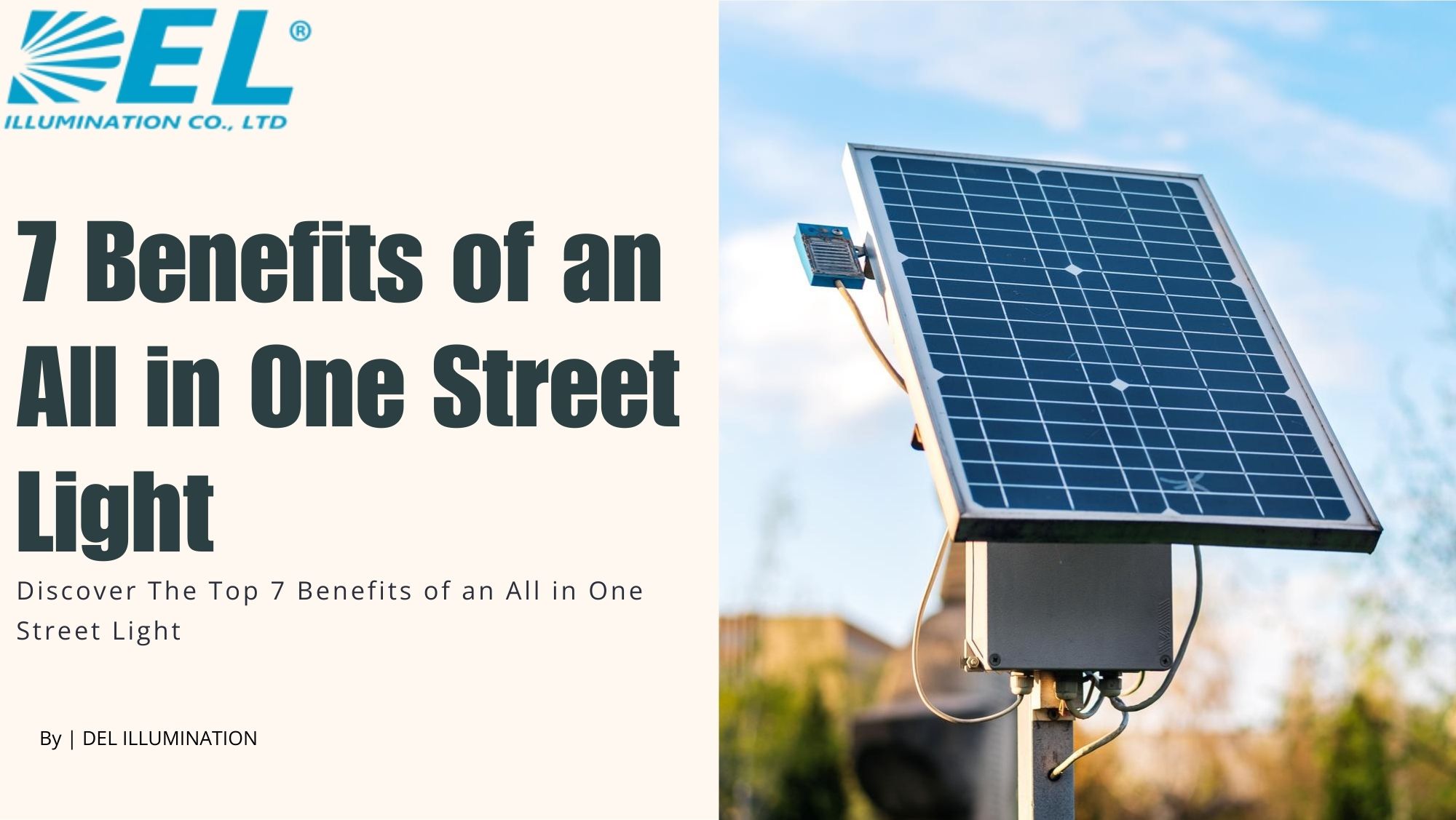
An integral part of the all in one street light is the monocrystalline or polycrystalline solar panel, which harnesses solar energy to power the light. It is typically mounted on top of the street light and consists of multiple photovoltaic cells that convert sunlight into electrical energy throughout the day.
3. Rechargeable Lithium Battery
To store the solar energy generated during the day, the all in one street light is equipped with a high-capacity rechargeable lithium battery. The battery acts as an energy reservoir, ensuring uninterrupted lighting during nighttime or cloudy days when the solar panels may receive less sunlight. Modern units use LiFePO4 batteries for extended cycle life and thermal stability.
4. Intelligent Controller
The controller serves as the brain of the all in one street light system. It manages various functions such as monitoring battery status, controlling light output, and regulating the charging and discharging of the battery. It can also include smart features like motion sensors, dimming capabilities, and remote monitoring to optimize energy usage. For a deeper look at smart features, see our guide on 9 benefits of solar light remote control technology.
5. Light Pole and Mounting Hardware
The all in one street light is typically mounted on a pole to elevate it at an appropriate height for effective illumination. The light pole, along with the necessary mounting hardware, provides stability and support for the entire system. Learn how to calculate the right spacing in our article on how to calculate distance for LED solar area lights.
6. Photocell (Light Sensor)
A photocell, also known as a light sensor, is integrated into all-in-one street lights. It detects ambient light levels and triggers the system to turn on automatically at dusk and turn off at dawn. This feature eliminates the need for manual operation and ensures consistent energy efficiency every single night.
7. Weatherproof Housing and Enclosure
The housing and enclosure of the all in one street light are designed to protect the internal components from rain, dust, and extreme temperatures. Durable die-cast aluminum with IP65 or higher ratings ensures the unit survives even the harshest outdoor conditions. For more information about waterproof ratings, check out our post on 5 benefits of IP65 solar street lights.
8. Motion and Ambient Sensors
The all in one street light incorporates active sensors to enhance functionality. A motion sensor detects movement and brightens the light when activity is detected, while an ambient light sensor adjusts brightness based on surrounding conditions, saving energy during low-traffic hours automatically.
The Top 7 Advantages of an All in One Street Light
So, what makes the all in one street light stand out from traditional or split-type solar street lights? Below are the seven most important benefits:
1. Space-Saving, Integrated Design
By combining the light source, solar panel, battery, and control system into a compact unit, the all in one street light occupies minimal space, making it suitable for installation in various urban environments. Its streamlined design allows for easy integration into existing infrastructure without disrupting the aesthetic appeal of the surroundings.
The innovative integrated design also enhances maintenance and servicing operations. With all components housed within a single unit, maintenance teams can access and repair the all in one street light swiftly and conveniently, minimizing downtime and ensuring consistent illumination. Unlike split systems that require multiple separate components to be installed and wired together, this approach dramatically simplifies deployment.
2. Superior Energy Efficiency
The all in one street light utilizes high-quality LED technology. Light Emitting Diodes are renowned for their exceptional energy efficiency compared to traditional lighting systems such as incandescent bulbs or fluorescent tubes. LEDs consume significantly less electricity while providing the same, if not better, brightness levels. By incorporating LEDs, the all-in-one street light minimizes energy consumption, resulting in substantial energy savings, often up to 70% compared to conventional sodium lights.
Furthermore, the all in one street light incorporates intelligent lighting controls and sensors. These components enable the street light to adapt its brightness levels based on surrounding environmental conditions. During the daytime when natural light is abundant, the street light can dim itself or even turn off to conserve energy. As the sunlight diminishes, the sensors automatically adjust the street light’s brightness to ensure optimal illumination without wasting energy. You can read more about how this technology drives economic value in our article on solar road lights and global economic growth.
3. Significant Cost Savings
The all in one street light utilizes solar power, harnessing energy from the sun to illuminate the streets. This eliminates the need for grid electricity and significantly reduces energy costs. The integrated battery stores excess energy during the day, ensuring uninterrupted lighting during nighttime hours, even in the absence of sunlight.
In addition to installation and energy savings, the all in one street light also minimizes maintenance costs. With its integrated design, there are fewer components that require regular inspection, repair, or replacement. This streamlined approach results in reduced maintenance expenses over the lifespan of the street light. For budgeting tips, also explore our guide on 4 tips to invest in a solar street light post.
|
Cost Category |
Traditional Street Light |
All in One Street Light |
|---|---|---|
|
Installation |
High (trenching, wiring) |
Low (no grid connection needed) |
|
Monthly Energy |
Ongoing electricity bill |
Zero (solar-powered) |
|
Maintenance |
Frequent (bulbs, wiring) |
Minimal (long-life LEDs) |
|
Lifespan |
5-10 years |
10-15+ years |
4. Fully Autonomous Operation
One of the most compelling features of the all in one street light is its ability to operate completely autonomously, without any human intervention. The street light’s autonomous operation begins with its built-in sensors. These sensors detect changes in ambient light levels, enabling the light to automatically adjust its brightness according to the surrounding environment. As daylight fades, the street light activates, casting a gentle glow to illuminate the streets.
Additionally, the all in one street light integrates motion sensors that detect movement within their range, triggering the light to brighten and provide enhanced visibility. A smart timer system enables precise scheduling, allowing the light to turn on and off at specific times. By adapting to the natural rhythm of day and night, the street light optimizes energy usage and reduces unnecessary illumination during daylight hours. This level of automation is especially valuable in remote areas where manual operation is impractical – making it a natural complement to automatic solar street light design and construction.
5. Exceptional Durability and Reliability
The construction of the all in one street light incorporates high-quality materials and components, ensuring its robustness and ability to withstand various weather elements such as rain, wind, and extreme temperatures. The housing is made from durable materials that offer excellent resistance to corrosion, ensuring the light’s longevity and structural integrity even in challenging outdoor environments.
Additionally, the all in one street light is engineered with advanced technology and cutting-edge features that contribute to its reliability. The lighting system is equipped with high-efficiency LED bulbs that not only provide bright illumination but also have an extended lifespan of 50,000 hours or more. The all in one street light is also designed with intelligent control systems that optimize energy consumption and ensure reliable operation night after night. For guidance on selecting the right poles and structures, visit our article on 9 factors for choosing solar power light poles.
6. Environmentally Friendly Operation
The all in one street light integrates a solar panel that harnesses clean and renewable solar energy during the day, converting it into electricity to power the light at night. By utilizing solar power, the street light reduces its reliance on conventional electricity sources, which often rely on fossil fuels. This reliance on renewable energy helps mitigate the environmental impact associated with traditional energy generation, reducing the carbon footprint of public infrastructure significantly.
Furthermore, the all in one street light incorporates an efficient battery system that stores excess energy generated by the solar panel during the day, ensuring a continuous power supply during the night or periods of low sunlight. The use of high-capacity and long-lasting lithium batteries minimizes the need for frequent replacements, reducing waste and the associated environmental consequences. Cities looking to meet sustainability targets and green infrastructure goals find the all in one street light to be an indispensable tool. Learn more about the broader environmental impact in our piece on the power of the solar street lamp.
7. Flexible Customization Options
One of the key advantages of the all in one street light is the ability to customize it to match specific project requirements. You can adjust the brightness level to ensure optimal visibility while also saving energy during low-traffic periods. This customization option allows you to strike the right balance between safety and efficiency across different zones — whether it’s a busy commercial area or a quiet residential lane.
The customization options of the all in one street light also extend to motion sensor functionality. You can set the sensitivity and range of the sensor, enabling it to detect movement accurately and activate accordingly. The scheduling feature enables you to program the street light to automatically adjust its brightness or turn on and off at specific times, making it adaptable to seasonal daylight changes and local ordinances. For parks and outdoor recreational areas, see how these options apply in our park solar lights installation guide.
All in One Street Light vs. Split-Type Solar Street Light
Many buyers wonder how the all in one street light differs from a split-type solar street light. The primary difference lies in the physical configuration. Split-type systems have their solar panels, batteries, and lights as separate units connected by cables. The all in one street light, by contrast, integrates all these components into a single body, dramatically simplifying installation and reducing potential points of failure. For a broader comparison of solar lighting solutions, see our review of 4 LED solar street light innovative solutions.
How to Choose the Right All in One Street Light
Not all all in one street light products are created equal. Here are the key specifications you should evaluate before purchasing:
- Wattage and Lumens: Match the light output to the area you need to illuminate. Refer to our guide on 9 factors for setting up a solar street light LED for sizing help.
- Battery Capacity: Ensure the battery can support 2-3 rainy days of backup lighting.
- IP Rating: Look for at least IP65 for reliable outdoor performance.
- Solar Panel Efficiency: Monocrystalline panels generally offer higher efficiency in limited space.
- Warranty: Reputable manufacturers offer at least 2-5 years on the full system.
- Pole Compatibility: Check your solar light pole system compatibility before ordering.
Tips to Maintain Your All in One Street Light
To increase the lifespan and performance of your all in one street light, follow these maintenance best practices:
Pro Tip: Most performance issues with an all in one street light can be diagnosed and resolved without professional help. Check out our guide on 5 ways to fix a solar light not working for common troubleshooting steps.
- Regular Inspections: Conduct periodic inspections to check for any visible signs of damage or wear. Look for cracks, loose connections, or corrosion on your all in one street light.
- Cleaning: Keep the street light clean from dust, dirt, and debris. Use a soft cloth or sponge and mild detergent to clean the outer surface. Dirty solar panels on an all in one street light can reduce energy generation by up to 25%.
- Proper Wiring Check: Even though the all in one street light has minimal external wiring, periodically check any accessible connections to ensure they are secure and corrosion-free.
- Battery Monitoring: Monitor the integrated battery performance regularly. Significant drops in backup time could indicate the battery needs replacement.
- Solar Panel Inspection: Inspect the solar panel for obstructions like leaves or bird droppings that might hinder efficiency.
- Lighting Performance Test: Test the lighting output regularly and check for any flickering or dimming issues.
- Weatherproofing Check: Ensure that all seals and gaskets are intact to protect the internal components from moisture and dust ingress.
Conclusion
The all in one street light is more than just a lighting fixture, it is a comprehensive urban infrastructure solution that delivers energy savings, reduced maintenance costs, autonomous operation, and environmental benefits all in one elegant package. Whether you are a municipal planner, property developer, or sustainability advocate, investing in an all in one street light is a forward-thinking decision that pays dividends for years to come.
From its compact space-saving design to its fully autonomous operation and customizable settings, the all in one street light continues to set the benchmark for modern outdoor lighting. As cities worldwide push toward smarter, greener infrastructure, this technology will only grow in importance. Do you have any questions about your all in one street light? Contact us today and let our experts guide you to the right solution.
Frequently Asked Questions (FAQs) About All in One Street Lights
Q1. How long does an all in one street light last on a full battery charge?
A fully charged all in one street light can typically operate for 3 to 5 consecutive nights without sunlight, depending on the battery capacity and the wattage setting. Most modern units are equipped with intelligent dimming functions that extend backup time during overcast periods by automatically reducing brightness during low-traffic hours.
Q2. Is an all in one street light suitable for areas with limited sunlight?
Yes, the all in one street light can perform adequately in regions with limited sunlight, provided the battery and solar panel are appropriately sized for local solar irradiance levels. It is advisable to consult with a lighting engineer and review local peak sun hours data before selecting a specific model for low-sunlight climates.
Q3. What is the typical lifespan of an all in one street light?
A high-quality all in one street light can last between 10 to 15 years or more with proper maintenance. The LED module typically has a rated lifespan of 50,000+ hours, while the LiFePO4 battery in premium models can endure over 2,000 charge cycles before needing replacement, making this a long-term investment in public infrastructure.
Q4. Can the all in one street light work in extreme weather conditions?
Yes. Most quality all in one street light products are designed with IP65 or IP66 rated weatherproof enclosures, which protect the internal components from rain, dust, and humidity. The die-cast aluminum housing also provides resistance to high winds and temperature extremes ranging from -20°C to +60°C in many models.
Q5. How do I know which all in one street light wattage is right for my project?
The correct wattage for an all in one street light depends on the width of the road, the mounting height of the pole, and the required lux level on the ground. As a general guideline, a 30W unit suits narrow pathways and residential lanes, a 50–80W unit works well for secondary roads, and 100W+ models are designed for highways and large parking areas. Our team can provide a customized photometric calculation for your specific project.