
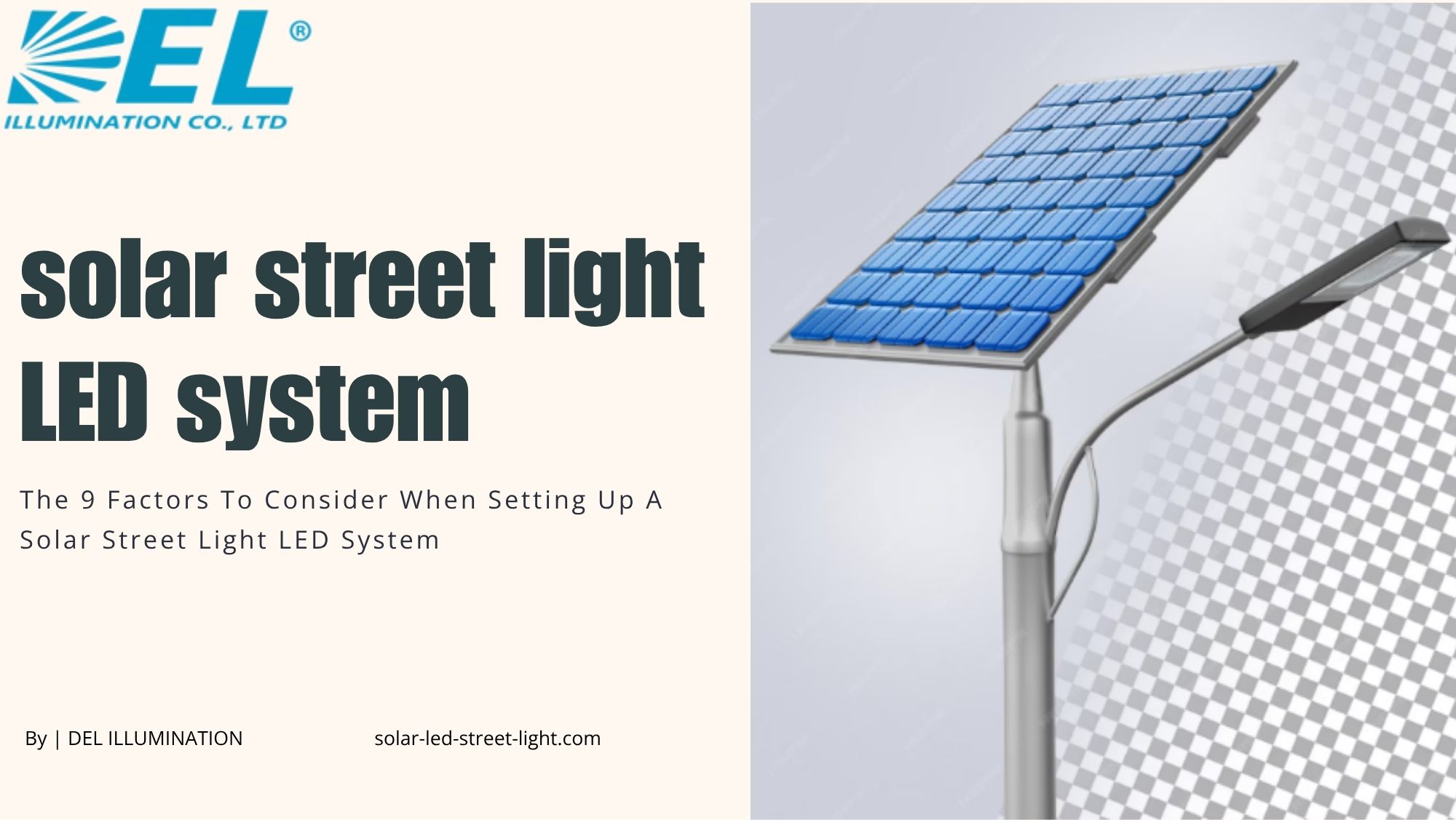
In the realm of modern urban planning and sustainable development, integrating a solar street light LED system has emerged as a groundbreaking solution. These systems offer efficient and environmentally friendly lighting for streets, pathways, and public spaces. Whether you are a municipality, urban planner, or sustainability advocate, setting up a well-optimized solar street light LED system requires more than just buying panels and bulbs ,it demands a thorough understanding of site conditions, component selection, and long-term operational planning.
When embarking on the journey of setting up such a system, several pivotal factors warrant careful consideration. In this comprehensive guide, we walk you through the 9 most critical factors that determine the success of your solar street light LED system installation. Let’s dive in and discover some of these crucial factors and why they matter.
Factors To Consider When Setting Up a Solar Street Light LED System
Below are the 9 essential factors that will determine how effectively your solar street light LED system performs over its lifetime:
1. Location and Sunlight Exposure
Location determines the geographical positioning of the solar street light LED system. Placing the system strategically in areas with maximum sunlight exposure is essential. This ensures that the solar panels receive ample sunlight throughout the day, allowing them to efficiently convert solar energy into electricity. When selecting a location, consider potential obstructions such as buildings, trees, or other structures that could cast shadows on the solar panels and reduce their overall efficiency. A clear, unobstructed area is ideal for optimal sunlight absorption.
The sunlight exposure duration is vital for the performance of the solar street light LED system. Solar panels require direct sunlight to generate sufficient power. The duration and intensity of sunlight exposure directly impact how much energy can be stored in the system’s batteries. In regions with limited sunlight hours, the solar street light LED system may require larger solar panels and more efficient energy storage solutions to ensure it operates effectively even during periods of reduced sunlight.
Additionally, understanding local shading patterns throughout all four seasons is crucial. A location that appears clear in summer may suffer from long shadows during winter months, significantly reducing panel output. Conduct a proper solar site assessment before finalizing any installation location.
For related insights on choosing the right light poles for optimal placement, read our guide on 9 Factors for Choosing Solar Power Light Poles.
2. Solar Panel Capacity
When setting up a solar street light LED system, the solar panel capacity directly influences how much energy can be harvested from the sun and stored for nighttime operation. A higher solar panel capacity means that more energy can be generated and stored, allowing the LED street lights to operate for longer durations and potentially during periods of limited sunlight.
To determine the appropriate solar panel capacity for your solar street light LED system, several factors must be considered. These include the geographical location of the installation, the average daily sunlight hours, seasonal variations in sunlight availability, and the energy consumption of the LED lights themselves.
Panel efficiency ratings also play a significant role. Monocrystalline panels generally offer higher efficiency than polycrystalline alternatives, making them a preferred choice for urban installations where space is limited. Always size the panel with a buffer of 20–30% above the calculated minimum to account for real-world losses due to dust, temperature, and angle variation.
Discover how innovative LED solutions enhance panel utilization in our article on 4 LED Solar Street Light Innovative Solutions.
3. Battery Capacity and Type
The battery capacity refers to the amount of energy a battery can store and supply for the LED lights during periods of low sunlight or at night. Selecting the appropriate battery capacity is essential to ensure the lights can operate consistently throughout the night, even during cloudy days. Insufficient battery capacity may result in inadequate lighting during extended nights or unfavorable weather conditions. Conversely, an oversized battery can lead to unnecessary expenses and larger storage requirements.
The battery type chosen for the solar street light LED system can significantly influence its overall performance and lifespan. Commonly used battery types in solar applications include lead-acid, lithium-ion, lithium iron phosphate (LiFePO4), and nickel cadmium.
Choosing the right battery type involves evaluating factors such as cycle life, capacity retention, temperature tolerance, and initial cost. Lithium-ion and LiFePO4 batteries are often favored for solar street light LED systems due to their reliability, longer lifespan, and reduced maintenance requirements. LiFePO4 batteries, in particular, are excellent for outdoor installations in regions with extreme temperature fluctuations, as they maintain stable performance across a wide temperature range.
To understand more about the power behind these systems, visit our in-depth resource on The Power of Solar Street Lamp.
4. Lighting Requirements
Illumination intensity is a primary consideration when deploying a solar street light LED system. Defining the appropriate level of illumination for the specific application is paramount. Variables such as the width of the road, pedestrian movement, and the surrounding environment influence the required light intensity. Achieving proper illumination significantly enhances visibility and safety for both vehicular and pedestrian traffic.
The color rendering index (CRI) and color temperature (measured in Kelvin) also matter. Higher CRI values (above 70) ensure that colors appear natural under artificial lighting, which is critical for road safety. A color temperature between 4000K and 5000K is generally recommended for street lighting applications, offering bright, clear visibility without causing glare.
The adaptability of the system over time should also be emphasized. As traffic patterns evolve or surrounding infrastructure develops, the lighting requirements may change. An adaptable solar street light LED system can accommodate such changes without requiring extensive modifications, allowing for flexibility in meeting evolving needs.
For help on determining how far apart your lights should be, check out our guide on How to Calculate the Distance Between LED Solar Area Lights.
5. Pole Design and Height
The selection of an appropriate pole design is crucial for ensuring the stability and durability of the solar street light LED system. The pole must withstand various environmental conditions such as wind, rain, and temperature fluctuations. A sturdy pole design helps prevent potential damage to the system and ensures a longer lifespan.
The height of the pole greatly influences the distribution of light and the coverage area of the solar street light LED system. A taller pole can illuminate a larger surface area, making it suitable for wide streets or open spaces. Conversely, shorter poles are ideal for narrower roads or pathways. Selecting the right pole height is essential to achieve uniform illumination and maximize the effectiveness of the lighting system.
Pole material is equally important ,galvanized steel and aluminum poles are most commonly used because of their corrosion resistance and structural strength. For coastal or high-humidity environments, additional protective coatings should be applied to prevent corrosion and extend the pole’s service life.
For more details, explore our complete overview of 5 Advantages of Solar Light Pole Systems.
6. Smart Lighting Controls
One key advantage of incorporating smart lighting controls in a solar street light LED system is the ability to adjust illumination levels based on real-time conditions. These controls can automatically dim or brighten the lights in response to ambient light levels, ensuring adequate visibility without wasting energy during daylight hours or when the area is already well-lit. This dynamic adjustment conserves power and extends the lifespan of the LED fixtures.
Smart controls also enable the implementation of motion sensors. These sensors detect movement in the vicinity of the street lights and activate them only when needed. This feature is particularly valuable in areas with fluctuating pedestrian or vehicular traffic, as it ensures the lights are on when required, enhancing safety while avoiding unnecessary energy consumption during periods of low activity.
Advanced smart controls may also include remote monitoring capabilities, allowing administrators to track energy usage, detect faults, and schedule dimming profiles through a centralized dashboard. This level of control makes the solar street light LED system far more manageable and cost-effective at scale.
Explore how remote control technology enhances these systems in our article on 9 Benefits of Solar Light Remote Control Technology.
7. Climate and Weather Conditions
The amount of sunlight a location receives is a critical factor when planning a solar street light LED system. Areas with consistent and ample sunlight throughout the year are ideal. The system’s effectiveness heavily relies on the solar panels’ ability to capture and convert solar energy into electricity. In regions with frequent cloud cover or extended periods of rain, performance might be compromised.
Extreme temperatures, whether hot or cold, can also impact the performance and lifespan of the solar components. High temperatures can reduce battery efficiency and overall system performance, while freezing temperatures might affect battery capacity and solar panel efficiency. Proper insulation and temperature regulation mechanisms are essential to mitigate these effects in your solar street light LED system.
In hurricane-prone or high-wind regions, both the pole design and the mounting angle of solar panels must be engineered to withstand strong gusts. Compliance with local wind load standards (such as IEC or ASCE 7) should be a non-negotiable part of the design phase.
For installations in challenging environments, learn about the protection offered by 5 Benefits of IP65 Solar Street Lights.
8. Maintenance Accessibility
By ensuring proper maintenance accessibility, you ensure that the solar street light LED system remains operational and effective over its lifespan. This involves strategically placing the components in a way that allows technicians to access them without significant obstacles. When maintenance personnel can easily reach the solar panels, batteries, LED lights, and control systems, they can quickly address any issues that arise.
Proper planning for maintenance accessibility involves selecting suitable mounting heights, designing efficient wiring and cabling systems, and incorporating features such as hinged panels or quick-release mechanisms that simplify component access. Integrating these elements into the initial design phase of the solar street light LED system streamlines future maintenance efforts significantly.
Establishing a preventive maintenance schedule is equally important. This should include regular cleaning of solar panels (to remove dust and bird droppings), inspection of battery terminals, checking for corrosion on poles, and verifying LED fixture output. A well-maintained system will consistently deliver its rated performance throughout its operational lifespan.
When issues arise, our troubleshooting guide on 5 Ways to Fix a Solar Light Not Working can provide immediate practical guidance.
9. Wiring and Electrical Components
Proper wiring is essential to connect the solar panels in series or parallel configurations, depending on the desired voltage and current for your solar street light LED system. The wiring should be of adequate gauge to minimize power loss and ensure efficient energy transfer from the panels to the battery and other components.
Connecting the battery also requires appropriate wiring and connections to prevent voltage drops and overheating. Ensuring the correct polarity and using high-quality connectors is crucial to maintain efficient charging and discharging cycles.
A well-grounded system prevents electrical shock hazards and reduces the risk of equipment damage. Grounding rods or plates should be securely installed and connected to the system’s components using appropriate grounding wires. All electrical components used in a solar street light LED system should comply with applicable local and international electrical codes (such as IEC 60364 or NEC).
Waterproof connectors and UV-resistant cabling are particularly important for outdoor installations, as standard cables can degrade rapidly when exposed to sunlight and moisture. Investing in quality electrical components upfront reduces the risk of system failures and costly repairs down the line.
For a broader view of smart, integrated designs, read our piece on Design and Construction of Automatic Solar Street Lights.
Why Investing in the Right Solar Street Light LED System Matters
A properly designed and installed solar street light LED system delivers significant long-term value ,not just in energy savings, but also in enhanced public safety, reduced carbon emissions, and lower municipal operating costs. As cities around the world accelerate their transition to renewable energy, solar street lighting has become a critical component of smart city infrastructure.
Explore how solar street lighting contributes to wider economic development in our article on Solar Road Lights and Global Economic Growth. For guidance on installing solar lights in parks and recreational spaces, see our Park Solar Lights Installation Guide.
If you’re evaluating different product configurations, our overview of 7 Benefits of All-in-One Street Light Technology and the 10 Things to Look for in the Best Solar Street Lights are essential reading. For those weighing financial considerations, our guide on 4 Tips to Invest in a Solar Street Light Post offers practical investment advice.
Conclusion
Establishing a solar street light LED system requires careful consideration of various interconnected factors. From location and sunlight exposure to wiring and smart controls, each factor plays a crucial role in ensuring the optimal performance, longevity, and sustainability of the system. A comprehensive assessment and strategic planning are imperative to create a well-functioning solar street light LED system that delivers reliable, energy-efficient illumination for years to come.
Whether you are setting up a single installation or planning a city-wide rollout, the nine factors outlined in this guide provide a robust framework for making informed decisions. Do you need a high-quality solar street light LED system? Contact us today to get expert guidance tailored to your specific needs and environment.
Frequently Asked Questions (FAQs)
1. How many hours of sunlight does a solar street light LED system need to function effectively?
Most solar street light LED systems require a minimum of 4 to 6 hours of direct sunlight per day to fully charge the battery and provide adequate lighting throughout the night. In areas with less consistent sunlight, it is recommended to install panels with a higher wattage rating and batteries with greater storage capacity to compensate for reduced charging hours.
2. What is the average lifespan of a solar street light LED system?
A well-maintained solar street light LED system typically has a lifespan of 10 to 15 years for the LED fixtures and 5 to 8 years for the batteries, depending on the battery type used. LiFePO4 batteries tend to last longer than lead-acid alternatives. Regular cleaning of solar panels and periodic battery checks can significantly extend overall system life.
3. Can a solar street light LED system work during cloudy or rainy weather?
Yes, a solar street light LED system can continue to operate during cloudy or rainy weather, provided the battery has been sufficiently charged during previous sunny days. Modern systems are designed with 3 to 5 days of battery autonomy, meaning they can sustain operations even through extended periods of overcast weather. However, prolonged consecutive cloudy days in regions with low solar irradiance may require supplemental battery sizing.
4. What is the difference between an all-in-one and a split-type solar street light LED system?
An all-in-one solar street light LED system integrates the solar panel, battery, LED light, and controller into a single compact unit, making it easier and faster to install. A split-type system has separate components that are individually mounted, offering greater flexibility in terms of panel orientation and battery sizing. All-in-one systems are ideal for standard installations, while split-type systems are better suited for locations requiring custom configurations or higher-power output.
5. How do I choose the right wattage for my solar street light LED system?
Choosing the right wattage for a solar street light LED system depends on the road width, pole height, and desired illumination level (measured in lux). As a general guideline, a 30W LED is suitable for residential roads (6–8m wide), a 60W LED works well for secondary roads (10–12m wide), and 80W to 120W LEDs are appropriate for main highways and large open areas. Always consult a lighting designer or use photometric simulation software to confirm that the selected wattage meets the required lux levels for your specific application.