

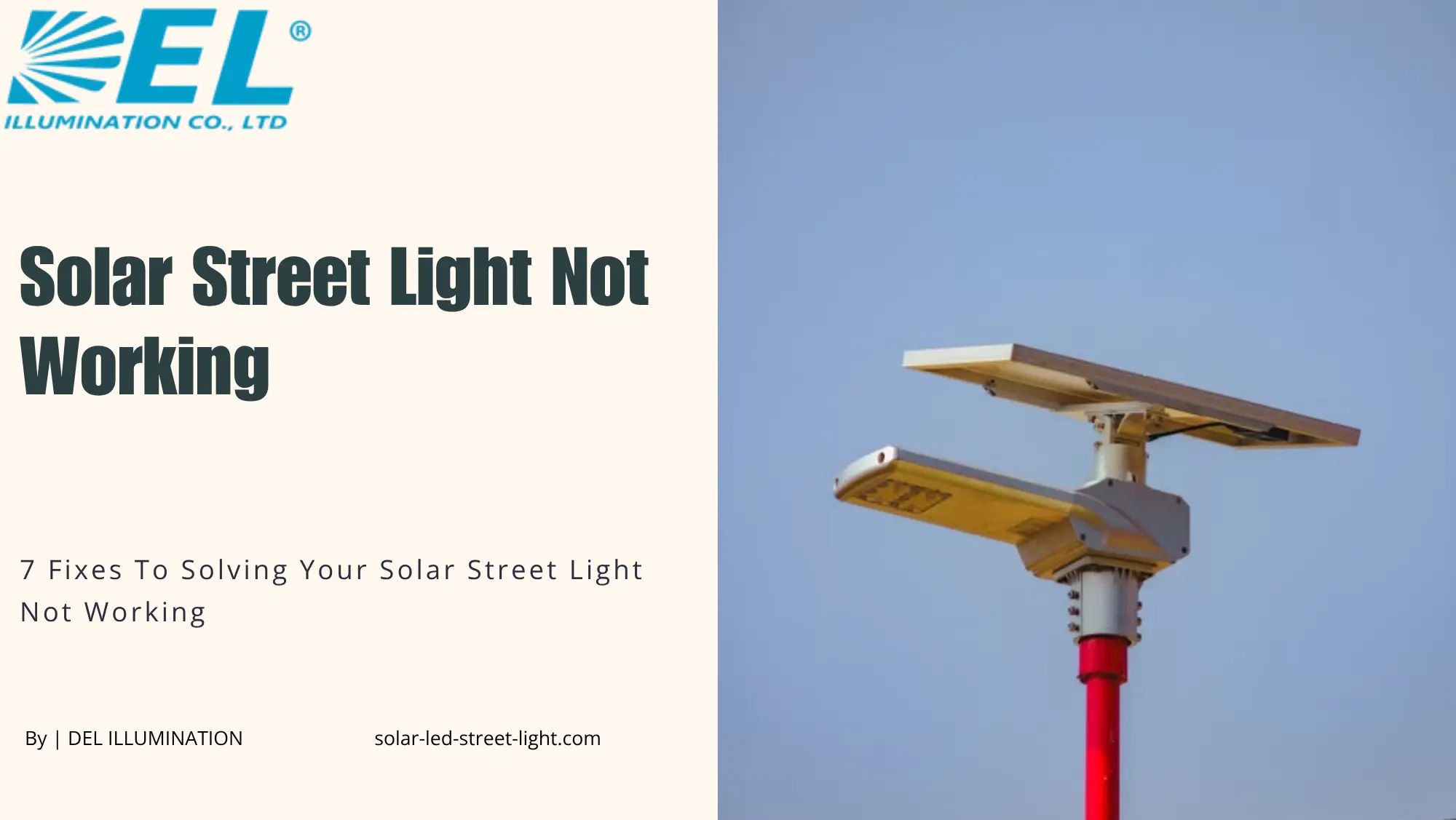
Solar street lights play a vital role in illuminating our streets, ensuring safety, and enhancing the overall aesthetics of our cities. However, it is not uncommon to encounter instances where these lights cease to function properly. A solar street light not working creates a significant problem that needs immediate attention. Let’s explore the common reasons behind a solar street light not working and discuss potential troubleshooting methods to restore their efficient operation. Understanding the solar street light working principle is a great starting point before you begin any diagnosis.
Vital components of a solar street light
A solar street light consists of several essential components that work together to harness solar energy and provide illumination. Knowing these parts makes it far easier to pinpoint why your solar street light not working problem is happening. Here are the vital components of a typical solar street light:
- Solar Panel: The solar panel is responsible for converting sunlight into electrical energy. It consists of multiple photovoltaic (PV) cells that absorb solar radiation and generate direct current (DC) electricity. You can learn more in our guide on what photovoltaic street lights are.
- Battery: The battery stores the electrical energy generated by the solar panel during the day for use during the night. It ensures a continuous power supply to the street light and acts as an energy reserve.
- LED Light Fixture: Light Emitting Diode (LED) is the primary source of illumination in a solar street light. LED lights are energy efficient, long lasting, and capable of producing high quality light with minimal power consumption.
- Controller: The controller manages the overall operation of the solar street light system. It regulates the charging and discharging of the battery, controls the lighting duration, and provides protection against overcharging and over discharging.
- Pole and Mounting Structure: The pole provides structural support for the solar street light and holds the solar panel, battery, LED fixture, and other components. The mounting structure ensures secure installation of the street light on the pole.
- Sensor and Motion Detector (optional): Some solar street lights are equipped with sensors and motion detectors. These components detect changes in ambient light levels and movement, allowing the light to automatically adjust its brightness or activate when someone approaches. Our post on the 8 benefits of a solar sensor street light explains their value in detail.
- Wiring and Connectors: Wiring and connectors serve as the electrical connections between the solar panel, battery, LED fixture, and controller. Proper wiring ensures efficient energy transfer and reliable functioning of the street light system.
Solar Street Light Not Working: Common Issues
What causes a solar street light not working situation? Several factors can be responsible, and identifying the root cause is the first step toward a fix.
- Insufficient sunlight: Solar street lights rely on sunlight to charge their batteries and power the light. If the light is located in an area with limited direct sunlight exposure, such as under dense tree cover or in a shaded area, it may not receive enough sunlight to charge properly.
- Battery issues: The solar street light system consists of a battery that stores energy during the day for use at night. If the battery is old, damaged, or not properly connected, it may fail to store enough energy or provide power to the light. Following our 10 tips to maintain your solar street light battery can prevent many of these failures.
- Faulty solar panel: The solar panel is responsible for converting sunlight into electricity. If the solar panel is damaged, dirty, or not positioned correctly, it may not generate enough electricity to power the light or charge the battery effectively.
- Controller malfunction: The controller regulates the charging and discharging of the battery and controls the light operation. A faulty or damaged controller can prevent the light from functioning properly.
- Wiring issues: Poorly connected or damaged wiring can disrupt the flow of electricity within the solar street light system. Loose connections, corroded wires, or damaged cables can prevent the light from working.
- Component failure: Various components of the solar street light, such as the LED bulb, photocell, or motion sensor, may experience failure due to wear and tear, electrical issues, or environmental factors.
Solar Street Light Not Working Fixes
A solar street light not working situation can be resolved in multiple ways. Let’s discuss the common fixes that will get your light shining again.
1. Check the solar panel connection
Carefully examine the wiring between the solar panel and the street light system. Ensure that all the cables are securely connected, without any visible fraying or damage. Make sure that the connectors are properly seated and tightened to maintain a solid electrical connection.
After confirming the physical integrity of the connections, move on to inspecting the wiring terminals. If applicable, check the terminal box or junction box where the solar panel wires connect to the street light system. Open the box and inspect the connections inside. Look for any loose wires or signs of corrosion, which could impede the electrical flow.
If you find any loose connections or damaged wiring during your inspection, it is important to rectify them promptly. Secure any loose connections by tightening them appropriately and replace any damaged wiring or connectors as needed. Additionally, clean any corrosion from the terminals using a suitable electrical contact cleaner. Any issue with your solar panel connection can cause a solar street light not working situation.
2. Verify battery condition
Once the connections are confirmed, proceed to examine the battery itself. Begin by turning off the solar street light and disconnecting it from any power source. Carefully remove the battery from its compartment, following the manufacturer’s instructions if available. Inspect the battery for any visible signs of damage, leakage, or corrosion. Any compromised or faulty battery can cause a solar street light not working situation.
If the battery appears to be in good condition externally, measure its voltage using a multimeter or voltmeter. A healthy solar street light battery should have a voltage reading within the manufacturer’s specified range. If the voltage is below the recommended level, the battery might need recharging or replacement.
In case the battery voltage is within the acceptable range, consider performing a discharge test. Connect the battery to a suitable load and monitor its performance over time. If the battery fails to hold a charge or shows rapid voltage drop, it indicates a potential issue. It may be necessary to replace the battery even if it initially appeared to be in good condition.
3. Test the LED Bulb
Once you have gained access to the LED bulb, visually inspect it for any visible signs of damage or malfunction. Look for broken wires, loose connections, or any signs of burning or discoloration. If you notice any issues, it is likely that the LED bulb needs to be replaced.
To verify whether the LED bulb is the cause of the solar street light not working situation, you can perform a simple test. Replace the existing bulb with a known working LED bulb of the same specifications. Ensure that the replacement bulb is compatible with the solar street light system to avoid any compatibility issues. After installing the replacement bulb, reconnect any wires or connectors that were disconnected earlier, making sure they are securely fastened.
Finally, test the solar street light by turning it on. If the light illuminates and functions properly with the new LED bulb, it indicates that the previous bulb was indeed the source of the problem. However, if the light still does not work or exhibits the same issues, further troubleshooting may be required to identify the underlying cause.
4. Examine the light sensor
Inspect the sensor for any visible signs of damage, such as cracks, loose connections, or corrosion. These physical defects can impair the sensor’s ability to accurately detect light levels, resulting in a solar street light not working situation. Next, ensure that the sensor is clean and free from any dirt, dust, or debris that might be obstructing its operation. Use a soft cloth or a gentle brush to carefully clean the sensor surface.
Once the sensor is clean, check its wiring connections. Make sure the wires are securely connected to the sensor and that there are no loose or frayed ends. Loose connections can disrupt the communication between the sensor and the control system, leading to a malfunctioning street light.
If the sensor appears undamaged, clean, and properly connected, it is advisable to test its functionality. Cover the sensor with a dark cloth or shield it from direct light sources and observe the behavior of the street light. It should turn on automatically as it detects the decreased light levels. Remove the obstruction or expose the sensor to natural light, and the street light should turn off accordingly. If the street light fails to respond as expected, it indicates a potential issue with the sensor.
5. Inspect the controller
Ensure that the charge controller is securely connected to the solar panel, battery, and light fixture. Inspect the wiring connections for any signs of wear or improper connections. Loose or disconnected wires can disrupt the flow of electricity and cause a solar street light not working situation. If you are comfortable with electronics, our guide on how to make a smart solar street light circuit offers deeper insight into how the controller ties everything together.
After confirming the physical connections, proceed to examine the controller’s settings. Depending on the specific model and design, the controller may have various settings related to light operation, timing, and dimming functions. Make sure that the settings are correctly configured according to the desired operational requirements. Adjustments may be necessary if the street light is not turning on or is not functioning as intended.
In addition to visual inspection and settings, it is essential to check the controller’s documentation or consult the manufacturer’s guidelines. These resources can provide specific troubleshooting steps, error codes, or diagnostic tools to help identify and resolve issues related to the controller.
6. Clean and reposition the solar panel
A frequently overlooked cause of a solar street light not working is a dirty or poorly angled solar panel. Dust, bird droppings, leaves, and grime accumulate on the panel surface over time and dramatically reduce its ability to absorb sunlight. Gently clean the panel with a soft cloth and mild soapy water, then rinse and dry it. Also confirm the panel is tilted at the correct angle and faces the direction that receives maximum daily sunlight, with no new shade from growing trees or nearby structures. According to the U.S. Department of Energy, keeping panels clean and unshaded is one of the simplest ways to maintain solar performance.
7. Perform a full system reset
If individual component checks do not resolve the solar street light not working issue, a complete system reset often helps. Turn the light off using its switch or remote, disconnect the battery for a few minutes, then reconnect everything and place the unit in direct sunlight for a full day to allow a complete recharge cycle. This clears minor controller glitches and lets the battery re establish a proper charge. If the problem still persists after this, the fault likely lies with a component that needs professional replacement.
Conclusion
When confronted with a solar street light not working crisis, it is crucial to take prompt action and address the issue. Working methodically through the panel, battery, LED, sensor, and controller will resolve the vast majority of cases. Remember, if you are uncertain about any step or lack the necessary expertise, it is advisable to seek professional assistance or consult the manufacturer’s instructions. For preventing future faults, our list of the 10 things about the best solar street lights is worth a read. Safety and proper handling of electrical components should always be a priority when troubleshooting and maintaining solar street lights.
Frequently Asked Questions (FAQs)
1. Why is my solar street light not working after rain?
A solar street light not working after rain is usually caused by water reaching the wiring, connectors, or controller through a damaged seal. Inspect the junction box and connectors for moisture, dry them thoroughly, and reseal any gaps. Choosing an IP65 rated solar street light helps prevent water related failures in the first place.
2. How do I know if the battery is the reason for my solar street light not working?
Test the battery voltage with a multimeter and compare it to the manufacturer’s specified range. If the reading is low, the light fails to stay on through the night, or the battery drains quickly, the battery is likely the culprit behind your solar street light not working problem and may need recharging or replacement.
3. Can insufficient sunlight cause a solar street light not working problem?
Yes. If the panel sits in shade, under trees, or faces the wrong direction, it cannot generate enough power to charge the battery. Repositioning the panel to receive maximum direct sunlight is often all it takes to fix a solar street light not working due to poor charging.
4. How long should a solar street light last before it stops working?
A quality solar street light typically lasts 5 to 7 years, with the battery being the component most likely to need replacement first. Regular cleaning, correct panel positioning, and good battery maintenance significantly extend the lifespan and reduce the chances of a solar street light not working prematurely.
5. When should I call a professional for a solar street light not working?
If you have checked the panel, battery, LED bulb, sensor, and controller and the solar street light not working issue remains unresolved, it is time to contact a professional. Persistent faults often point to internal controller damage or component failure that requires specialized tools and expertise to repair safely.