
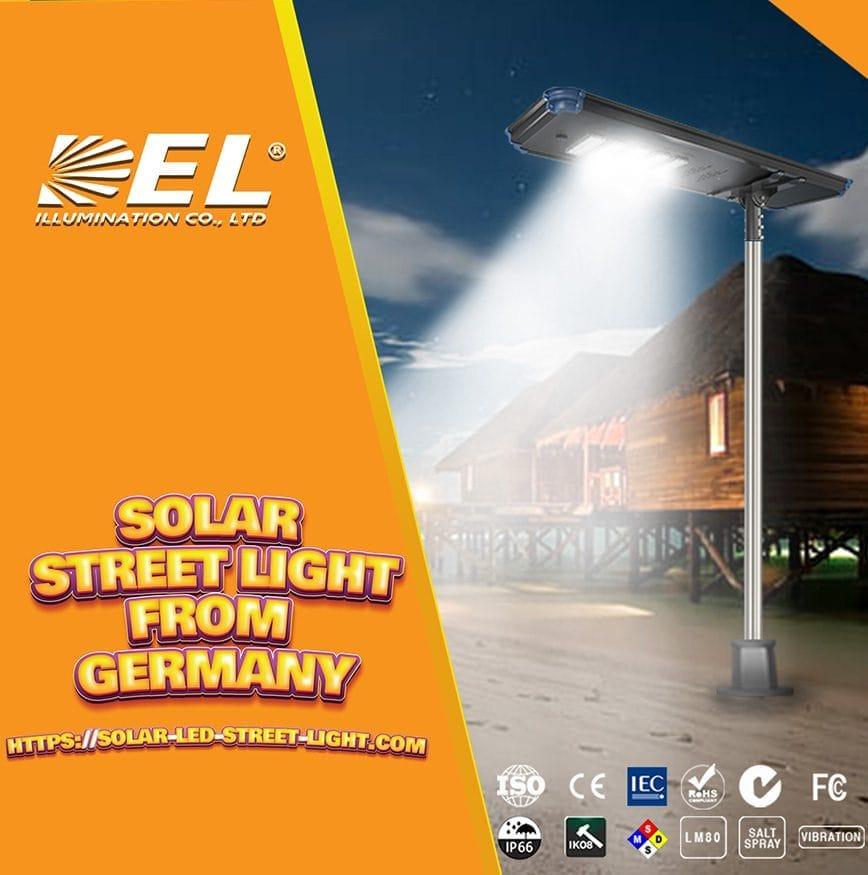
All over the world, the adoption of all in one solar street lights has surged as communities, businesses, and governments recognize their benefits. These lights provide a reliable, energy efficient alternative to traditional grid powered street lighting systems. The All In One Solar Street Light Price is often higher upfront, but the long term savings in electricity costs, low maintenance, and sustainable operation make them a wise investment.
In this comprehensive guide, we will discuss the factors that affect the All In One Solar Street Light Price, including the technology, components, installation, and maintenance. By the end, you will have a deep understanding of the costs involved and why these lights are becoming a preferred solution worldwide. If you want a quick reference, browse the All In One Solar Street Lights product range before you compare quotes.
What is an All in One Solar Street Light?
An all in one solar street light is a self contained outdoor lighting system that integrates key components such as a solar panel, LED light, battery, and controller into one compact unit. These lights are designed to harness solar energy during the day and use it to provide illumination at night. Unlike traditional street lights, all in one models do not require external wiring or a connection to the power grid, making them ideal for areas with unreliable electricity or where extending the grid would be cost prohibitive.
Before we look deeper at the All In One Solar Street Light Price, their key features include an integrated solar panel that converts sunlight into stored energy, an energy efficient LED source for bright long lasting illumination, a battery that holds daytime energy for night use even in poor weather, and a controller that manages charging, discharging, and on off timing.
These components are built into a single unit, simplifying installation and minimizing maintenance. The lights are versatile and suit street lighting, parking lots, parks, and other outdoor public spaces.
All In One Solar Street Light Price: Key Determinants
The All In One Solar Street Light Price can vary widely based on several factors. Understanding these determinants can help you make an informed purchasing decision that balances cost with the quality and features needed for your specific application.
Technology and Components
The core components of an all in one solar street light, including the solar panel, battery, and LED lights, greatly influence its price. A more advanced and efficient unit costs more but provides better performance and longer lifespan, and this is where much of the All In One Solar Street Light Price is decided.
High efficiency monocrystalline panels are more expensive but generate more energy per square meter than polycrystalline or thin film panels, allowing smaller panels without sacrificing performance in space constrained installations. High quality LEDs produce more lumens per watt, reducing the power needed and thus lowering the size of the solar panel and battery required.
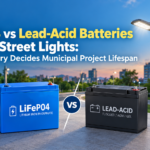
The type of battery has a significant impact on both the initial price and the long term operational costs. Lithium ion batteries are more expensive than lead acid batteries, but they offer higher energy density, longer lifespan, and faster charging, often lasting up to 8 years with less maintenance. Lead acid batteries are cheaper upfront but typically need replacement every three to five years and are heavier and less efficient, making them less ideal for high performance lights.
The controller regulates the charging and discharging of the battery and controls when the light turns on and off. Advanced controllers with motion detection, dimming, and remote monitoring increase the cost but offer additional energy savings and convenience.
Pole Material and Design
The pole used to mount the solar street light also affects the overall All In One Solar Street Light Price. Different materials offer various benefits, depending on the application and environmental conditions.
Metallic poles made of steel or aluminum are durable and resistant to weather. They are often coated to prevent corrosion and can withstand harsh environments such as coastal areas, but they cost more than wooden or fiberglass poles. Wooden poles are cheaper and easier to source but less durable, while fiberglass poles are lightweight and corrosion resistant yet may not match the strength of metal. Taller poles cost more but light a wider area, reducing the number of poles needed for large installations.
Additional Features
Additional features such as smart controls, motion sensors, and remote monitoring systems can increase the All In One Solar Street Light Price, but they also offer long term benefits in terms of energy savings, convenience, and functionality.
Motion sensors allow the light to dim or turn off when no movement is detected, conserving battery power. This feature is particularly useful for lights installed in areas with low foot or vehicle traffic, as it extends the operating hours of the light without requiring a larger battery or solar panel.
Some advanced solar street lights come with remote monitoring capabilities, allowing users to track performance and adjust settings via a smartphone app or web based platform. This is particularly useful for large installations where it may be difficult to physically check each light. Remote monitoring systems can alert users to issues such as low battery levels, panel obstruction, or failed components, enabling quicker maintenance and reducing downtime.
All In One Solar Street Light Price List
To give you a better idea of the All In One Solar Street Light Price, here is a general price breakdown based on power capacity, features, and the type of components used. Prices can vary depending on the supplier and region.
| Model | Power Capacity | Price Range (USD) |
|---|---|---|
| Basic Model | 20W | $100 to $200 |
| Mid range with Lithium Battery | 40W to 60W | $300 to $500 |
| High end with Motion Sensors | 80W to 100W | $600 to $1,000 |
| Custom designed Models | Varies | $1,200 and above |
For specific pricing details, it is essential to consult with your supplier or request a comprehensive price list. Bulk orders typically come with discounts, and suppliers may offer additional services such as installation and maintenance packages. You can also review this solar lighting project checklist to scope your requirements before requesting a quote.
All In One Solar Street Light Manufacturers
Choosing a reliable manufacturer is critical to the quality and longevity of your street lights. Manufacturers play a significant role in setting the All In One Solar Street Light Price by determining the quality of materials, the product design, and the warranty offered.
Look for manufacturers with a proven track record in the industry, since experience often correlates with durable products that meet varied environmental demands. Reputable manufacturers hold certifications such as CE, RoHS, and ISO that prove adherence to international quality standards. A good manufacturer provides a comprehensive warranty, typically three to five years, and offers reliable after sales support for troubleshooting, repairs, or replacement parts.
All In One Solar Street Light Suppliers
Once you have identified a reliable manufacturer, the next step is to choose the right supplier. The supplier links the manufacturer and the end user, ensuring you get the best products at competitive prices.
A good supplier offers a broad product range to meet different needs, whether for a residential area, commercial property, or industrial site. Large projects may require quick access to high volumes, so confirm the supplier can meet your deadlines without supply chain delays. Check reviews and testimonials from previous clients to gauge the supplier reputation for quality, reliability, and customer service.
Installation Costs for All In One Solar Street Lights
The installation cost of all in one solar street lights is typically lower than that of traditional grid powered street lights, as there is no need for trenching or extensive wiring. Installation involves mounting the light on a pole, connecting the components, and positioning the solar panel to maximize sunlight exposure. A supplier usually covers this cost.
Since solar street lights are self contained units, there is no need for underground wiring or a grid connection, which saves significant labor and materials costs, especially in remote areas. Most units are designed for easy installation with basic tools, and in many cases setup takes only a few hours. They can be installed virtually anywhere, making them ideal for rural areas, construction sites, and developing regions.
While the initial All In One Solar Street Light Price may be higher, the lower installation costs and the absence of wiring expenses make them a more affordable option in the long run.
Maintenance Costs for All In One Solar Street Lights
One of the key advantages of all in one solar street lights is their low maintenance requirements. Unlike traditional street lights, which need regular maintenance of electrical components, wiring, and bulbs, solar street lights require only minimal upkeep.
The most significant maintenance task is replacing the battery. Lithium ion batteries typically last five to eight years before needing replacement, while lead acid batteries may need replacing every three to five years. This expense is infrequent and can be planned as part of the regular maintenance cycle. The LEDs last much longer than traditional bulbs, with lifespans of up to 50,000 hours, requiring far less frequent replacement. To keep the solar panel at maximum efficiency, it is important to keep it clean and free of dust, debris, or snow, which in most cases requires only occasional cleaning.
Despite the need for periodic battery replacement and cleaning, the overall maintenance costs for all in one solar street lights are far lower than for traditional street lights, making them a cost effective long term solution.
Technological Innovations in Solar Street Lights
The rapid pace of technological innovation in the solar industry has led to significant improvements in the performance, efficiency, and functionality of all in one solar street lights. These advancements enhance the quality of the lighting and contribute to lowering the All In One Solar Street Light Price over time by reducing energy consumption and extending component lifespan.
Many modern solar street lights come equipped with smart control systems for remote monitoring and management. These systems use wireless communication to provide real time data on battery levels, solar panel output, and light output, letting users identify and address issues quickly. Motion sensors detect movement and adjust brightness accordingly, dimming to conserve energy and brightening when movement is detected. Advances in battery technology have improved efficiency and longevity, as lithium ion and lithium phosphate batteries offer higher energy density, faster charging, longer lifespans, and a higher tolerance for temperature extremes than traditional lead acid batteries.
All In One Solar Street Lights vs Traditional Street Lights
When comparing an all in one solar street light with traditional grid powered street lights, there are several key differences to consider. While the All In One Solar Street Light Price may be higher initially, the long term benefits in terms of cost savings, sustainability, and ease of installation make them a superior choice for many applications.
| Feature | All In One Solar Street Light | Traditional Street Light |
|---|---|---|
| Power Source | Solar Energy | Electricity (grid dependent) |
| Installation Costs | Low (no wiring required) | High (wiring and trenching needed) |
| Operational Costs | None (uses free solar energy) | Ongoing electricity costs |
| Maintenance | Minimal (battery every five to eight years) | Frequent maintenance of wiring and bulbs |
| Environmental Impact | Eco friendly (renewable energy) | Negative (fossil fuel usage) |
| Resilience in Power Outages | Full operation during outages | Dependent on the electrical grid |
While traditional street lights may have a lower upfront cost, the long term savings on electricity and maintenance, as well as the environmental benefits, make all in one solar street lights a more cost effective and sustainable option. For deeper technical background on how these systems perform, the International Energy Agency solar resource offers useful global data.
Factors to Consider When Buying All In One Solar Street Lights
When purchasing all in one solar street lights, consider several factors beyond the manufacturer or supplier. Think about the brightness and coverage area your project needs, as different wattages suit different sites: a 20W light may suffice for a residential area, while 100W might be needed for commercial or industrial use. In regions with limited sunlight, you may need a larger panel or higher capacity battery, and the lights should be rated to withstand local conditions such as rain, snow, or extreme heat.
Check the warranty provided by the manufacturer or supplier, as a good warranty signals product quality. Consider whether motion sensors or dimming capabilities matter for your project, since these reduce energy consumption and extend the lifespan of the light for additional long term savings.
Conclusion: A Smart Investment in Sustainable Lighting
Investing in all in one solar street lights is a smart choice for anyone looking to save on operational costs while promoting sustainability. Although the All In One Solar Street Light Price can seem higher initially, the benefits of reduced electricity usage, minimal maintenance, and a lower carbon footprint make it a cost effective solution over time. With advancements in battery and LED technology, these lights are becoming more efficient and accessible.
For more information or a tailored quote, contact the DEL ILLUMINATION team to discuss the right All In One Solar Street Light Price for your project.
Frequently Asked Questions
How long does an all in one solar street light last?
Most all in one solar street lights have a lifespan of five to eight years for the battery, while the LED module can run up to 50,000 hours before it needs attention.
What is the average All In One Solar Street Light Price?
The price typically ranges from $100 to $1,200, depending on the power capacity, battery type, extra features, and the manufacturer you choose.
Are all in one solar street lights weatherproof?
Yes, most quality models carry an IP66 rating and can withstand rain, snow, dust, and high heat, which protects your investment over many seasons.
Do solar street lights work during cloudy days?
Yes, the battery stores surplus energy on sunny days so the light keeps operating through cloudy or rainy periods, though very long overcast spells may shorten runtime.
Does a higher All In One Solar Street Light Price always mean better quality?
Not always, but a higher price usually reflects better panels, lithium batteries, and smart controls, so compare specifications rather than price alone before buying.