
Updated on 8th July 2026
You’ve likely noticed the shift happening around you. Autonomous street lamps are lining the highways with solar systems.
Why the sudden takeover? It is simple: we all hate paying electricity bills, and we all want lights that stay on even when the power grid fails.
In fact, the move toward solar light is so massive that the global solar lighting market has already climbed to an impressive USD 11.76 billion in 2025, with adoption rates accelerating every single year.
In this blog, we will provide you with reliable information about solar light so as to help you select the best setup for your project.
What Is Solar Lighting?
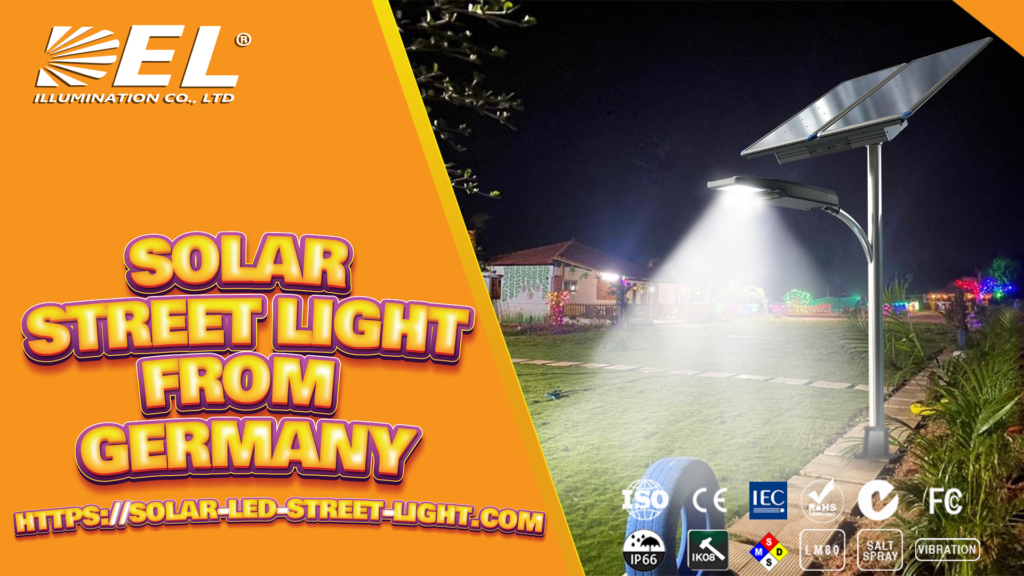
Solar light refers to a system that harnesses energy from the sun to power lights. Using photovoltaic technology, solar panels capture sunlight and convert it into electricity, which is then stored in batteries for later use. The stored energy powers the solar light at night or during periods when there is little to no sunlight.
This form of solar light is commonly used for outdoor settings such as pathways, gardens, and driveways, but solar-powered lights can also be adapted for indoor use. Solar lighting is celebrated for its eco-friendliness, as it relies on renewable energy sources, and its cost-effectiveness, given that it requires no connection to the power grid.
How Do Solar Lights Work?
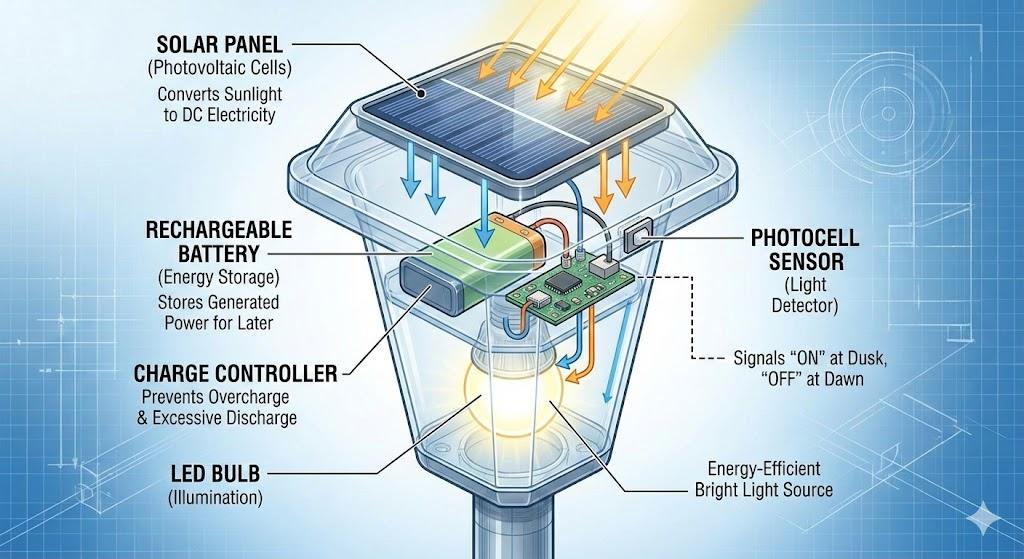
A solar light consists of several core components that work in tandem to capture, store, and utilize solar energy. The key element is the solar panel, which is generally located on top of the light. The panel is made up of photovoltaic (PV) cells, which convert sunlight into direct current (DC) electricity. The generated electricity is transferred to a rechargeable battery, where it is stored for later use. At night, or when the solar light detects that it is dark (using a sensor known as a photocell), the stored energy is used to power an LED bulb, which emits light.
The controller plays a crucial role in regulating the entire system. It ensures that the battery doesn’t get overcharged during the day or discharged too quickly at night. When night falls, the photocell detects the lack of sunlight and signals the controller to switch on the LED lights, ensuring that your garden or outdoor area is illuminated efficiently. At dawn, the photocell detects sunlight and turns off the solar light, allowing the system to start recharging the battery for the next cycle. If you’d like a deeper technical breakdown of this process, our guide on solar street light working principles covers it in more detail.
Components of Solar Light
To fully understand how a solar light functions, it’s important to familiarize yourself with the various parts that make up the system.
- The Solar Panel: Usually sitting on top of the fixture, this is the most visible part. It is made of photovoltaic (PV) cells that actively convert sunlight into direct current (DC) electricity during the day.
- Rechargeable Battery: The electricity generated by the panel travels here to be stored. Without a quality battery, the solar light would only work while the sun is shining, which wouldn’t be very useful. For a closer look at what to expect from these components over time, see our tips for maintaining solar street light batteries.
- Charge Controller: You don’t see this part, but it is important. It regulates the flow of electricity, ensuring the battery doesn’t get overcharged during sunny days or drained too deeply at night, effectively protecting the system’s lifespan.
- Photocell Sensor: This small sensor detects light levels. When it senses darkness (dusk), it signals the controller to switch the solar light ON. When it senses sunlight (dawn), it switches the light OFF and begins the recharging cycle again, much like a dedicated solar dusk-to-dawn street light.
- LED Bulb: Finally, the stored energy powers the LED. LEDs are used because they produce bright illumination while consuming very little power, maximizing how long the battery lasts.
Do Solar Lights Need Batteries?
Yes, a solar light does require batteries to store the electricity generated by the solar panel. During the day, the solar panel collects sunlight and converts it into electrical energy, which is then stored in the battery. Without a battery, the energy generated would be wasted because it cannot be used immediately. At night, when the solar panel is no longer receiving sunlight, the stored energy in the battery powers the light.
The type of battery used in a solar light can vary, but it is an essential component for any solar lighting system. The battery ensures that the light has power to operate when sunlight is not available, particularly during the night or on cloudy days when the amount of sunlight is insufficient for direct use. While some may think that a solar light operates solely based on the energy collected during the day, the role of the battery is crucial in maintaining functionality when there is no sunlight.
Types of Batteries Used in Solar Lights
A solar light typically uses one of three types of rechargeable batteries:
- NiCd batteries are the least expensive but have a lower energy storage capacity and a shorter lifespan compared to other types. They are, however, durable and can operate in extreme temperatures.
- NiMH batteries are more efficient and have a higher capacity for energy storage, making them better suited for larger or more powerful solar lights. These batteries are also more environmentally friendly, as they contain fewer toxic materials.
- Li-ion batteries are the most advanced, offering the highest energy density, which means they can store more power relative to their size. These are ideal for a solar light that needs to run for extended periods or those that have higher energy demands, such as solar powered motion lights used for security purposes.
Information About Solar Light Batteries
Virtually all solar light units contain batteries because they need a way to store the energy they collect during the day. Without a battery, the solar light would be useless at night, since the energy harnessed from the sun would dissipate without being stored. While some DIY solar lighting projects might attempt to bypass batteries by connecting directly to a solar panel, this isn’t practical for most commercial solar lights, as their primary purpose is to provide lighting at night. Therefore, whether you’re looking at small garden lights or powerful solar powered outdoor lights for security, you can expect them to include a battery.
Why Do Solar Lights Need Batteries?
The primary reason a solar light needs a battery is to store energy for later use. Since sunlight is only available during the day and lights are usually needed at night, it’s essential to have a way to store the energy collected. Batteries ensure that the lights can function even when the solar panel is no longer generating electricity. In addition, batteries allow a solar light to work during cloudy or rainy days when sunlight exposure is limited.
Without batteries, a solar light would only work when sunlight is directly hitting the solar panel, rendering it ineffective for night-time use or during overcast conditions. Batteries store the energy and release it when it’s needed, ensuring the light can stay on for several hours after sunset.
Types of Solar Lights
Solar light comes in a variety of styles and serves different purposes.
- Solar garden lights are one of the most common types of solar light. These small, decorative lights are often used to line walkways or flower beds, providing subtle, ambient lighting that enhances outdoor spaces.
- Solar powered motion lights are a more powerful type of solar light, typically used for security. They feature sensors that detect movement and activate the light only when someone is nearby, conserving energy while ensuring your home or yard is adequately protected at night. Our guide to the benefits of a solar sensor street light covers this technology in more depth.
- Solar floodlights are designed for lighting large outdoor areas, such as driveways or patios. These powerful lights often come with a broader beam angle, ensuring maximum coverage, and are frequently used in solar powered parking lots.
- For those who want a more decorative touch, solar powered candles and solar lanterns offer a cozy, warm form of solar light perfect for outdoor dinners or special events. These lights can mimic the appearance of traditional candles, providing the same ambiance without the fire hazard.
- Solar lanterns and solar panel lamps are popular for both indoor and outdoor use, offering portability and flexibility in where you place them. These lights are ideal for camping trips or use in areas where access to electricity is limited. More recently, this type of solar light has also been adapted for indoor use.
- With proper setup, including a solar panel placed in a location that receives ample sunlight, you can use solar light inside the home, such as for emergency lighting or off-grid living.
Benefits of Using Solar Lights
Have a look at the main benefits of using a solar light:
- Zero Electricity Draw: Since a solar light relies 100% on the sun, it doesn’t pull any power from the grid.
- Eco-Friendly: By harnessing free, renewable energy, you significantly lower your carbon footprint and reduce the demand on non-renewable resources like coal and natural gas.
- No Wires Needed: Unlike traditional electrical lighting, which often requires digging trenches for cables or hiring a professional electrician, a solar light is wireless.
- DIY Ready: You simply place it in a sunny spot, and it’s ready to go. Most setups take just a few minutes, similar to the process described in our DIY solar street light guide.
- Automatic Operation: Once installed, the system manages itself, charging during the day and automatically turning on at night.
- Minimal Upkeep: You generally only need to wipe the solar panel clean occasionally to ensure it catches sunlight effectively, and replace the rechargeable battery every few years.
Best Uses for Solar Lights
There are many practical applications for a solar light.
- For outdoor use, solar garden lights are perfect for illuminating pathways, gardens, and patios. These lights provide gentle, aesthetically pleasing illumination that enhances the beauty of your landscape while also improving safety.
- Solar powered security lights, such as motion-sensor floodlights, are ideal for home security, providing bright light only when needed, which conserves energy and alerts you to potential intruders.
- Solar candles and solar lanterns are great for setting the mood during outdoor events or special occasions. They provide a warm, inviting glow without the worry of open flames or electrical cords.
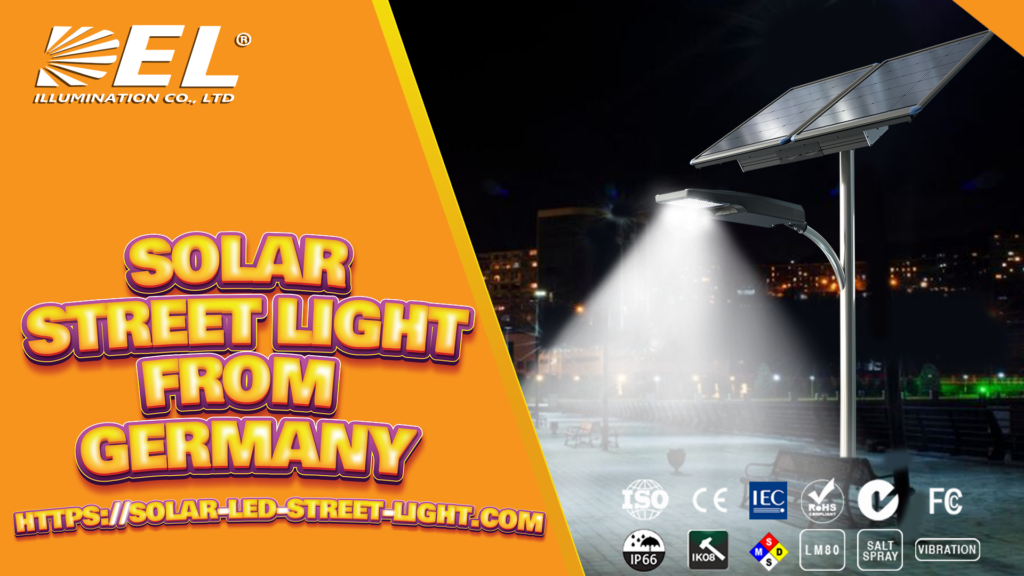
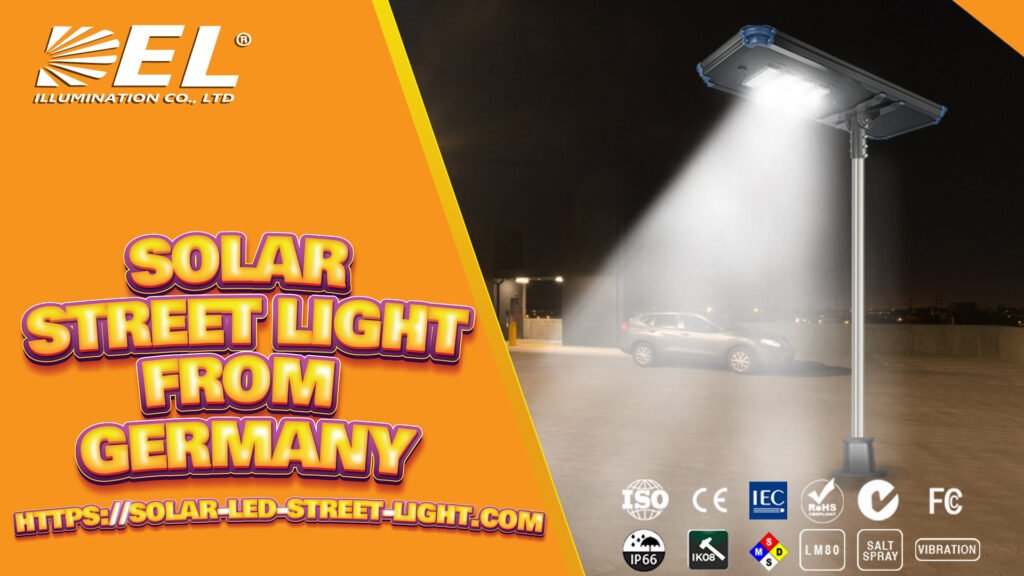
- For off-grid living, camping, or emergency situations, solar-powered lanterns are an excellent way to ensure you have solar light when you need it, without depending on batteries or electrical outlets. Lastly, a solar light is often used for street and public area lighting in urban planning projects, where it helps reduce energy consumption and operating costs while providing sustainable illumination, much like a battery-operated street lamp designed for municipal use.
Common Issues and Maintenance for Solar Lights
Like any device, a solar light can occasionally experience issues that may require troubleshooting.
One common problem is the reduced efficiency of solar panels due to the accumulation of dirt, dust, or debris. Since the solar panel is the main component responsible for converting sunlight into electricity, keeping it clean is essential for maintaining the light’s performance. Simply wiping down the panel with a damp cloth once a month will ensure that it continues to operate efficiently.
Another issue that a solar light may face is battery wear. Over time, the rechargeable battery in a solar light can lose its ability to hold a charge. This is a normal part of the lifecycle of any battery, but replacing it when needed is critical to ensuring that the light continues to function correctly. Most modern solar lights are designed with easy-to-replace batteries, so this maintenance step is typically straightforward.
Occasionally, a solar light might fail to operate properly if it is installed in an area with insufficient sunlight. Solar lights need a significant amount of direct sunlight to charge their batteries fully. If they are placed in a shaded or obstructed area, their performance will be diminished. For best results, install a solar light in locations that receive several hours of direct sunlight each day. If you do run into unexpected issues, our troubleshooting guide for solar lights that aren’t working can help you pinpoint the cause.
DIY Solar Powered Lights
For those who enjoy hands-on projects, creating a DIY solar powered light can be a rewarding way to customize your lighting needs while also promoting sustainability. The process involves gathering basic components such as a small solar panel, a rechargeable battery, an LED light, and a controller. These parts can be assembled to create a solar-powered lighting system that can be used indoors or outdoors, depending on your preference.
Once you have your components, connect the solar panel to the battery and the controller. The controller regulates the flow of electricity from the solar panel to the battery, ensuring it charges correctly without overcharging. Then, attach the LED light to the system, and place the solar panel in a sunny location. This setup allows you to create a custom solar light solution tailored to your specific needs, whether it’s for camping, an emergency light, or even decorative purposes in your backyard. If you’d rather skip building from scratch, a small DIY solar street light kit can offer a helpful shortcut.
Conclusion
You now have all the essential information about solar light. The technology is proven, the benefits are clear, and the installation is easier than ever.
But here is the truth: knowing how it works is only half the battle. The real secret to long-lasting solar lighting lies in the quality of the components you choose.
This is where DEL Illumination comes in.
We engineer reliable lighting solutions designed to withstand the elements and perform when you need them most. Our team ensures you get the brightness and longevity that cheap alternatives just can’t match.
Contact us now or refer to our Solar Street Light Profile PDF for more information.
Frequently Asked Questions (FAQs)
1. Do all solar lights need batteries? Yes, nearly all solar light units rely on batteries to store the energy they capture from sunlight. Without a battery, the light would not function at night when the solar panel is no longer generating power.
2. How long do solar light batteries last? Most solar light batteries last between one and two years, depending on the type of battery and usage patterns. Regular maintenance, such as cleaning the solar panel, can help extend battery life.
3. Can solar lights work in cloudy weather? Yes, a solar light can still work in cloudy weather, though its efficiency will be reduced. The solar panel will capture less energy, meaning the light may not stay on as long during the night.
4. What are the best solar lights for outdoor use? The best outdoor solar light options include solar-powered garden lights for decorative purposes, solar floodlights for broader coverage, and motion-activated solar lights for security.
5. Are solar lights waterproof? Most outdoor solar light units are designed to be weather-resistant, with many carrying an IP65 rating, meaning they can handle rain, snow, and sprinklers without issue. However, they are generally not fully waterproof, so they should not be submerged in pools or placed in low spots where water gathers and floods.