
Landscape lighting is the outdoor lighting project that has environment decoration functions. It should combine with the surrounding environment to make the view of the landscape presented with lighting. Waterscape is one of the most common elements in landscape lighting, and it must be made extraordinary with the right approach. Good waterscape lighting turns an ordinary pond, fountain, or waterfall into a focal point after dark. If you are planning an outdoor project, professional fixtures such as All in One solar street lights can also support pathways and perimeters around the water feature.
Waterscape lighting basically includes water lighting and underwater lights. As its name implies, water lighting installs lights on the architectures that sit on the water. Although it is more convenient for future maintenance, it is still inferior to underwater lighting. Water lighting should be carefully designed, as it is easy to cause dizziness when the glare is not controlled.
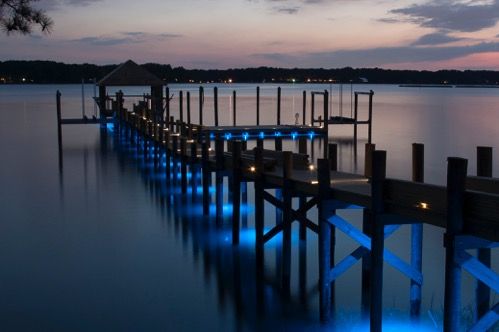
Underwater lighting refers to installing the lights under the water for illumination, and it has a good lighting effect that increases the color of the water body. Lights installed under the water must have water resistance and corrosion resistance, yet both the cost and maintenance cost of the lights are relatively high. Balancing these two categories is the first real decision in any waterscape lighting plan.
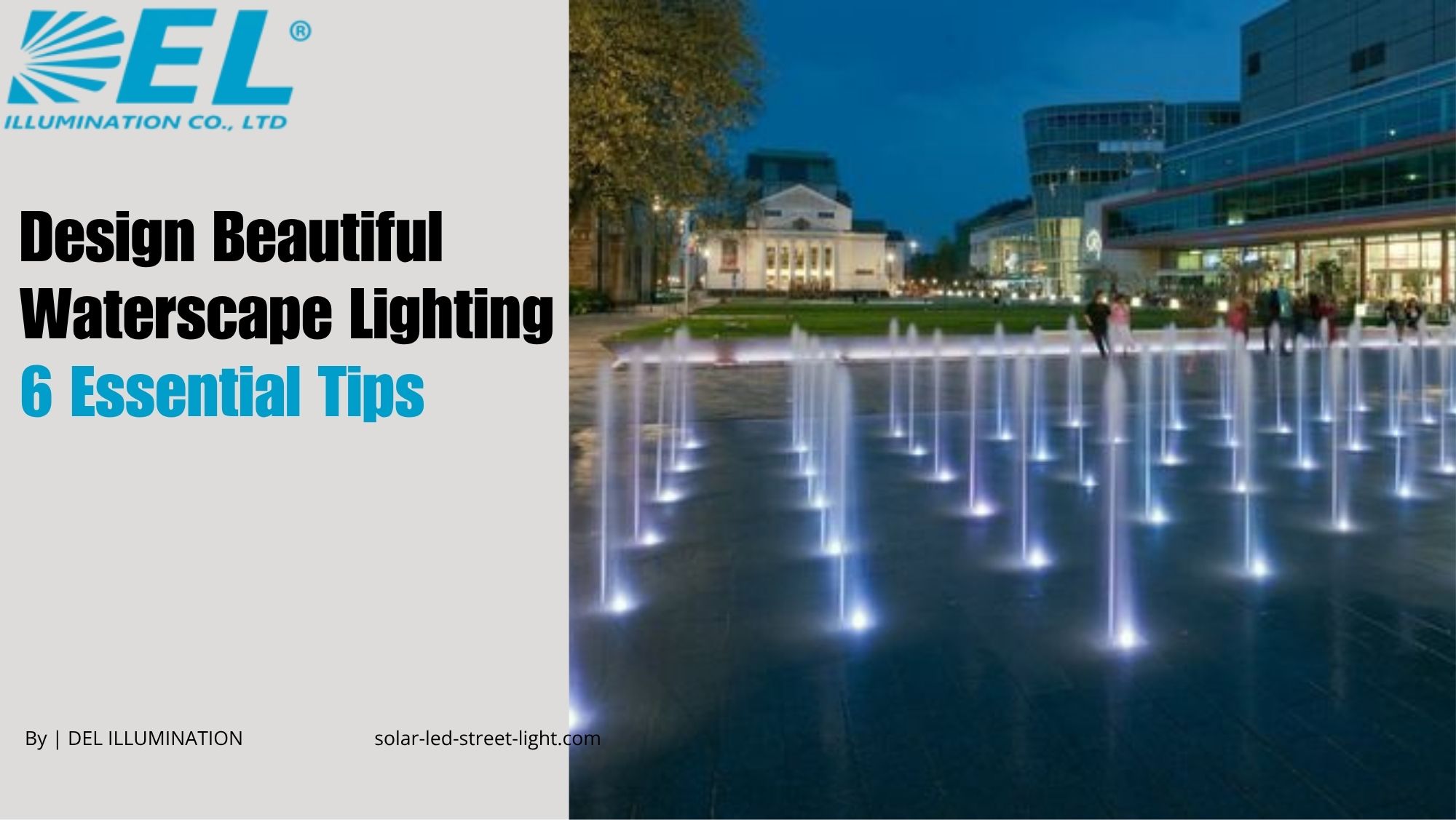
Fountain landscape lighting
Most of the lights illuminate from bottom to top, and it is important to ensure that at least one light is coordinated with the sprayed water during the lighting arrangement. For a water shaped fountain, ensure the form of spray is correctly performed. As for a fountain with multiple sprays, the design should be based on the overall style. Fountain lighting works best when the beam follows the motion of the water rather than fighting it.
Pool reflection waterscape lighting
This lighting can be set according to the requirements. It can be placed at the bottom of the pool or around the pool. To install at the bottom of the pool, the bottom and surrounding areas of the pool should use high reflection materials for graphic design. This approach relies on the mirror effect of a still surface, so keeping fixtures hidden preserves the reflection.
Waterfall landscape lighting
Bottom to top lighting should be used if it is a more turbulent stream. For a gentle stream, install the light within the form of the water body. In addition, light should be selected according to the height and water volume of the waterfall. Lights should be installed in front for waterfalls with small water volume; lights should be installed in the water for waterfalls with large water volume to highlight the beauty of the water dynamic. Waterfalls with less difference should install wide beam lights and illuminate upwards; waterfalls with larger differences should use narrow beam lights. This is about matching beam angle to the drop.
Before finalizing fixtures for any of these features, it helps to run through a solar lighting project checklist so power, waterproofing, and placement are all confirmed on site.
Natural waterscape lighting of rivers
It is impossible to illuminate the entire water surface if it is a natural waterscape like a big river. Therefore, it mainly highlights the landscape and the water body by reflecting the scenery of the shore. To enhance the beauty of the water body and create a night view atmosphere, well hidden and chic LED lights are usually used for natural waterscape lighting. River lighting favors restraint over flood coverage.
Recommended waterscape lighting tips
Designing beautiful waterscape lighting can enhance the ambiance of your outdoor space and create a relaxing and inviting atmosphere. Here are six tips to help you create a stunning waterscape lighting design:
- Consider the size and shape of your water feature: The size and shape of your water feature will influence the type and placement of lighting you choose. A large pond may require multiple lights placed at different angles to fully illuminate the water, while a small fountain may only require a single light.
- Use different types of lighting: A combination of different types of lighting can create a beautiful and dynamic effect. Consider using underwater lights, spotlights, and accent lights to highlight different features of your waterscape.
- Choose the right color temperature: The color temperature of your lights can affect the mood and atmosphere of your space. Warm white lights create a cozy and inviting feel, while cool white lights create a more modern and sleek look.
- Play with shadows and reflections: Shadows and reflections can add depth and dimension to your waterscape lighting. Consider positioning lights to create interesting shadows or to reflect off the surface of the water.
- Use timers or smart lighting: Using timers or smart lighting makes it easy to control and adjust your waterscape lighting. Set your lights to turn on and off at specific times or control them remotely using a smartphone app.
- Consider the surrounding landscape: The surrounding landscape can also affect the overall look and feel of your waterscape lighting. Consider using landscape lighting to highlight trees, shrubs, and other features in your outdoor space.
Done well, this work rewards patience in the design stage far more than expensive hardware. If you have any requirement for solar LED lighting for your project, please feel free to contact us.
Frequently Asked Questions
What is waterscape lighting?
Waterscape lighting is outdoor lighting designed around water features such as fountains, pools, waterfalls, and rivers. It combines water lighting installed on structures above the surface with underwater lights placed below the surface to enhance color, motion, and reflection.
What is the difference between water lighting and underwater lighting?
Water lighting mounts fixtures on architectures sitting on the water and is easier to maintain, while underwater lighting sits below the surface for a stronger visual effect. Underwater fixtures need water resistance and corrosion resistance, which raises both purchase and maintenance costs.
How do I choose the color temperature for waterscape lighting?
Warm white light creates a cozy and inviting mood, while cool white light gives a modern and sleek look. Choose the temperature based on the atmosphere you want for the space and keep it consistent across the whole water feature.
How do I light a waterfall correctly?
Match the beam to the water volume and drop. Use bottom to top lighting for turbulent streams, wide beam lights for waterfalls with small differences in height, and narrow beam lights for larger drops to highlight the dynamic movement of the water.
Can solar lights be used for waterscape lighting?
Yes, solar LED fixtures work well for pathways, perimeters, and accent zones around a water feature, reducing wiring and running costs. For underwater placement, confirm the rated waterproofing and corrosion resistance before installation.