
Focus Keyword: Solar Power Area Light
SEO Title (54 chars): Solar Power Area Light: 5 Questions to Ask Companies
Meta Description (153 chars): Solar power area light buyers should ask these 5 key questions before choosing a company, covering fixtures, battery backup, warranty, and more.
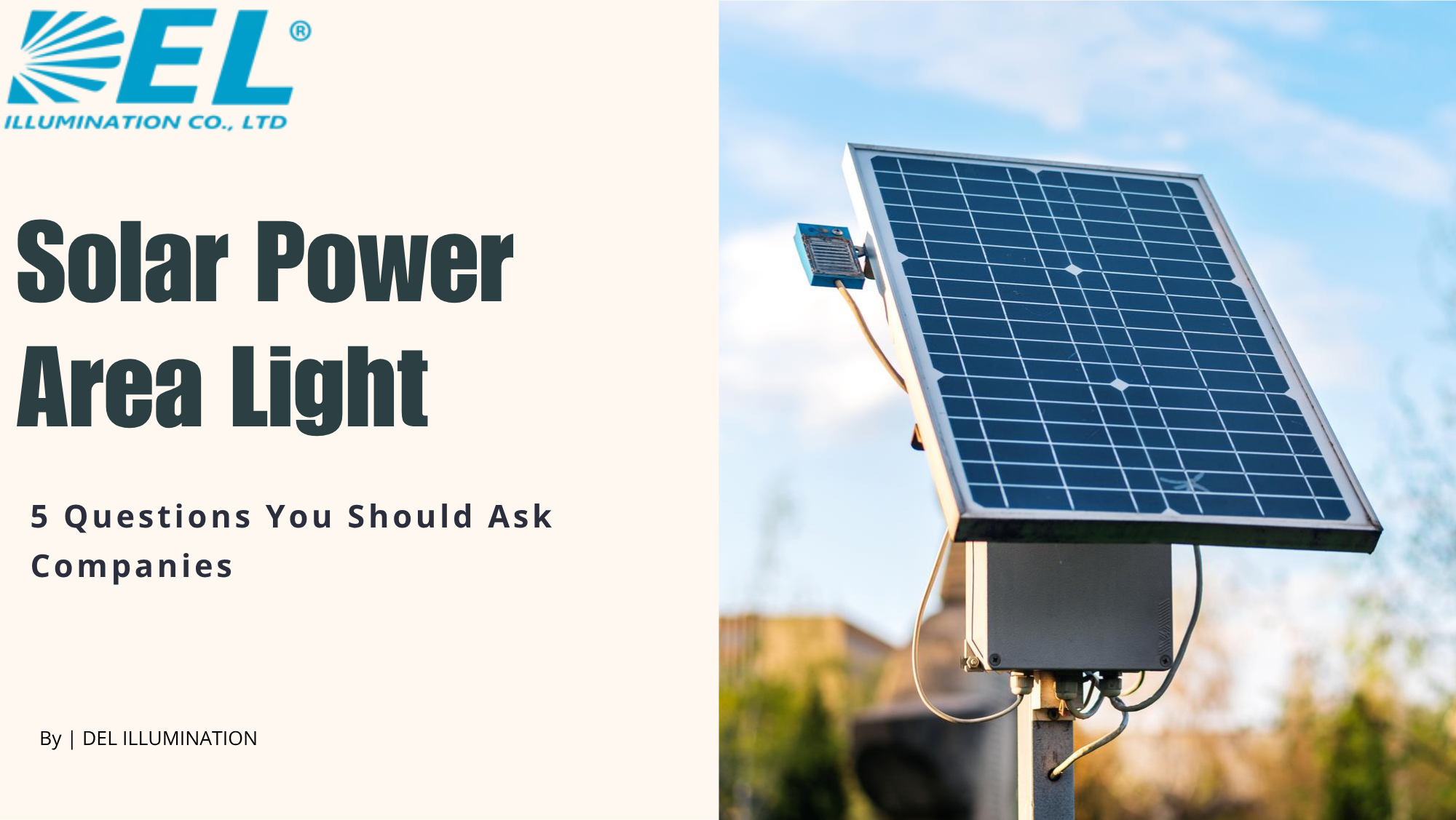
Solar Power Area Light: 5 Questions You Should Ask Companies
Focus Keyword: Solar Power Area Light
SEO Title (54 chars): Solar Power Area Light: 5 Questions to Ask Companies
Meta Description (153 chars): Solar power area light buyers should ask these 5 key questions before choosing a company, covering fixtures, battery backup, warranty, and more.
Solar Power Area Light: 5 Questions You Should Ask Companies
Since 2008, the solar power area light industry has advanced greatly. Several solar companies have been established to offer the best solar lighting solutions, but what are some of the things you should actually know before choosing a provider? These five questions will help customers ask the right things when they want to purchase a solar power area light for a real project.
What Light Fixture Is Used for the Solar Power Area Light Assembly?
There are several companies offering this kind of fixture, though only a handful remain the best in the solar business. You need to rely on the light fixture, especially when it has been manufactured by an experienced lighting company, since the fixture quality is just as important as the solar assembly itself. Before you commit, ask directly which brand of fixture is paired with the solar power area light you are considering.
What Lighting Distributions Are Available?
Street lights are known for using Type II and Type III distributions, though every scenario is never quite the same. There is a possibility that your project needs a Type V rectangular distribution instead. Does the company you are considering have the kind of lighting distribution you actually need?
Distribution patterns make project specific lighting possible, and this depends heavily on the lighting project itself. Several distribution types can be used within a single lighting project. Based on the number of sidewalks, lanes, medians, and other features along a site, there is often a need to set a different distribution pattern for each solar power area light. In other words, light distribution cannot be generalized across an entire project. Setting it correctly makes it possible for lighting coverage to be complete, rather than leaving pedestrians and drivers in the dark.
Is a Photometric Layout Provided?
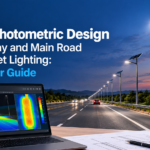
A photometric layout shows exactly how much light falls below the fixture and how far it reaches, measured in feet from the center of the lighting fixture. This question is somewhat tricky, since it is possible to get five foot candles directly below a solar power area light, yet almost no light 20 feet away from it. Some companies boast about brightness ratings without addressing this gap, which ends up increasing the number of fixtures needed for even illumination across a stretch of road.
This is exactly where light distribution becomes important, because a strong, even distribution is needed to properly cover a large area. Even illumination from a well designed fixture also improves visibility and reduces eye strain for drivers, which is one of the genuine safety benefits worth considering when a company is installing street lighting for you.
How Many Days of Battery Backup Are Offered?
Certain companies offer a solar power area light with only 2 to 3 days of battery backup, which is generally a sign of weak solar system design. Nature does not just provide a day or two of bad weather occasionally, it can hand you several cloudy days in a row with very little sun. A short backup window also causes batteries to over discharge, which raises failure rates and drives up replacement and maintenance costs over time.
If the company selling you the fixture can offer at least five nights of energy storage for your location, maintenance and operating costs will drop significantly. The depth of discharge of the battery greatly affects its lifespan. Keeping the depth of discharge under 20 percent can keep battery cycles at 3000 or more, while raising the depth of discharge to 30 percent daily can cut those cycles by almost half. A system that only stores two or three days of energy will usually need battery replacement within a short period, which is a real cost to plan for.
What Customer Service Response and Warranty Coverage Are Offered?
The warranty offered with a solar power area light is genuinely significant. A short warranty period suggests the company does not expect the fixture to last much more than a year. The lighting system itself might cost only a few thousand dollars, but if it comes with expensive replacement and maintenance costs, you will end up spending far more than the original price over just a few years. Instead, look for one built to last 20 years or more, since this will meaningfully reduce your overall project costs.
When something goes wrong, how does the company behind your fixture respond? Do they leave customers in the dark and stop communicating once the deal is settled, or do they stand behind the product? Ask for referrals from friends, family, or past customers before you commit to any single supplier.
How to Compare Solar Power Area Light Providers
Beyond the five questions above, it helps to check a few practical details before signing off on an order. Ask for a sample photometric report, request the LED chip and driver datasheet, and look at fixture options such as our All In One Solar Street Lights and All In Two Solar Street Lights, since the right configuration can vary a lot depending on the site. It is also worth browsing past installation projects to see how a company’s fixtures actually perform once installed.
Solar Power Area Light: Conclusion
Companies in this space provide a wide range of services, and these services are rarely identical from one supplier to the next. Before settling on a particular company, know that our company, DEL Illumination, is here to assist you in meeting your lighting needs. Through our customer service team, you can get the support you need for any solar lighting project. Other questions are best handled directly by the manufacturer, so make sure you choose carefully from the list of providers available online.
If you have any requirement for a solar LED street light, feel free to contact DEL Illumination directly.
Frequently Asked Questions
1. What should I check first when comparing solar power area light companies?
Start by asking which fixture brand is paired with the assembly and requesting a photometric report, since these two details reveal more about real world performance than a brochure brightness rating.
2. How many nights of battery backup should a solar power area light have?
Look for at least 5 nights of battery backup for most regions, with additional storage recommended for colder or cloudier climates.
3. What warranty length is normal for a solar power area light?
Look for a warranty of several years backed by a fixture designed to last 20 years or more, since a very short warranty period is usually a sign of a weaker design.
4. Why does light distribution matter for a solar power area light?
Distribution pattern determines how evenly the light spreads across a site, and choosing the wrong type can leave pathways, medians, or parking areas unevenly lit.
5. Can a solar power area light be customized for different site layouts?
Yes, most companies can adjust pole height, wattage, and distribution type depending on whether it is being installed on a roadway, walkway, or open parking area.