
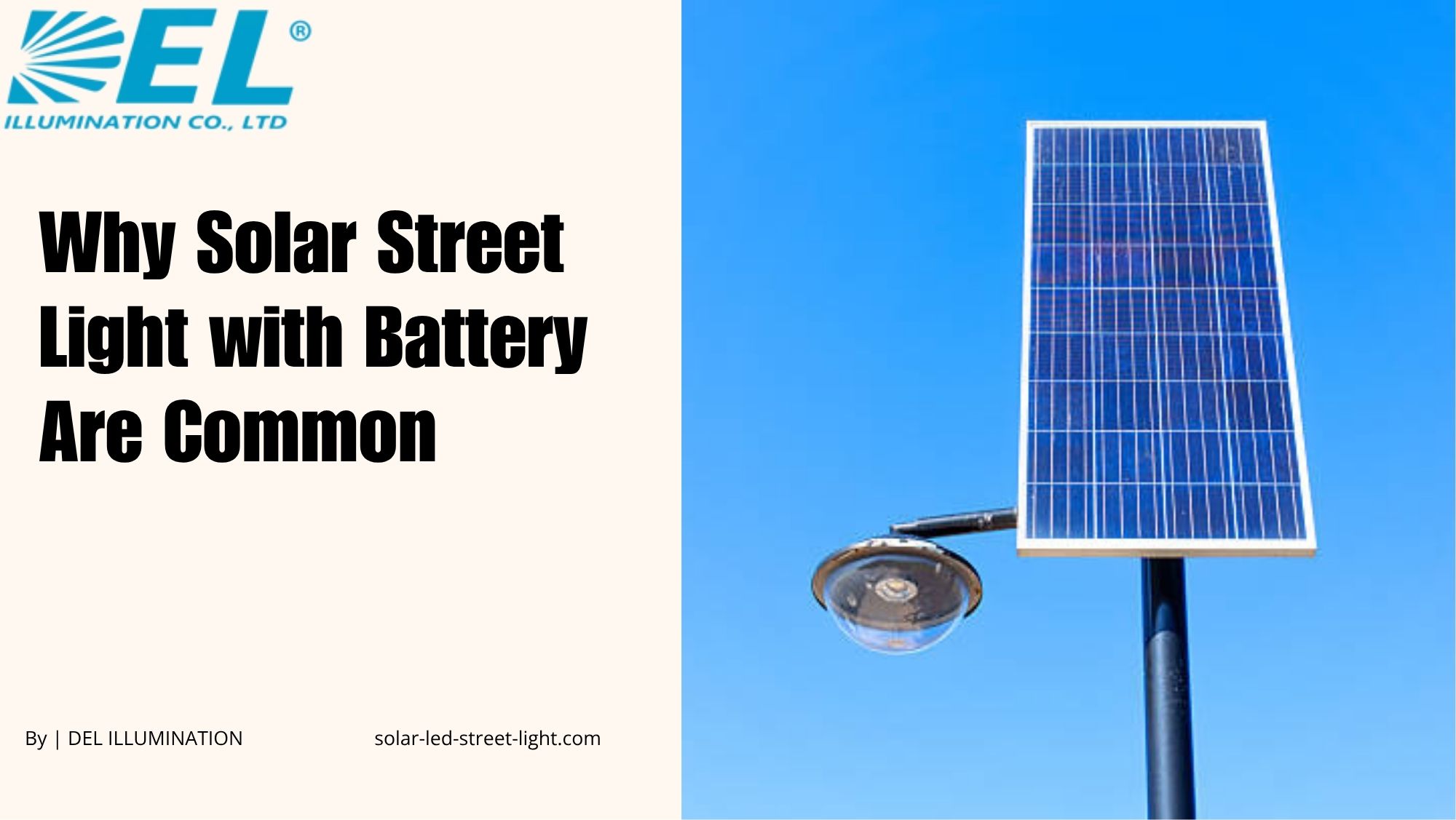
In cities all over the world, the solar street light with battery has become a common sight. It is popular because it cuts electricity costs and reduces greenhouse emissions through clean solar lighting technology. Across many different applications, a solar street light with battery is an economically viable option, which is exactly why so many business owners now see it as the right choice for their sites. If you want to see current models as you read, browse our All in One Solar Street Lights range.
There are several ways a solar street light with battery can benefit a business, which is why more people and countries are adopting the technology. A solar street light with battery absorbs sunlight during the day and converts it into electrical energy that the battery stores for use over several nights. Unlike traditional street lights, a solar street light with battery saves energy and can reduce its consumption automatically when no one is passing, all without human intervention.
Inside the fixture, the battery captures the surplus electricity the solar PV system generates, storing it for later use. This article highlights the major features to consider when choosing a solar street light with battery, and explains why the choice of battery chemistry matters so much for the return on your investment.
How Battery Storage Powers Global Adoption
The reason a solar street light with battery works anywhere is simple: it carries its own power supply. There is no trenching, no grid connection and no monthly electricity bill, so the same product suits a city street in Europe, a rural road in Africa or a private compound in the Middle East. According to the International Energy Agency, solar photovoltaic capacity has grown dramatically worldwide as costs have fallen, and affordable battery storage is a large part of why off grid lighting has spread so quickly. For a business, that means predictable running costs and lighting that keeps working during grid outages.
Why Battery Chemistry Is the Key Decision
Most modern products pair the panel with a lithium battery rather than older lead acid cells, because lithium delivers a lower true cost of ownership over the life of the system. Lithium has been a reliable technology for decades, powering cameras, electric cars, mobile devices and grid scale energy storage. The sections below summarise the practical reasons a solar street light with battery should use lithium. For a deeper technical comparison, our detailed guide on the best battery type for solar street lights breaks down the numbers.
High Temperature Tolerance
Heat shortens the service life of any solar street light with battery, but the effect is far greater on lead acid cells than on lithium. Temperatures above 20 degrees Celsius reduce a lead battery’s lifetime quickly, whereas lithium comfortably handles up to around 45 degrees Celsius. For a business owner, that means fewer repairs and less maintenance in hot climates.
Low Temperature Tolerance
Both chemistries lose some capacity in the cold, but lead suffers far more. At minus 20 degrees Celsius a lead battery’s usable capacity can fall to around 30 percent, while lithium retains roughly 82 percent under the same conditions. If you operate in a very cold region, a solar street light with battery using lithium is usually the stronger choice.
Turnaround Cycle Efficiency
Efficiency is measured by how much energy you recover across a charge and discharge cycle. Lead batteries return only about 75 percent, so charging with 1000Wh gives back roughly 750Wh, wasting a quarter of the energy. To compensate, the system needs larger, more expensive panels. Lithium reaches around 98 percent efficiency, so a solar street light with battery using lithium makes better use of every watt the panel captures.
Depth of Discharge
Depth of discharge describes how far the battery drains each night. The deeper the discharge, the fewer cycles a battery completes and the shorter its life. Lithium comfortably discharges to about 95 percent, while lead should not go beyond 50 percent, so lithium delivers far more usable energy from a similar sized pack.
Solar Street Light with Battery: Conclusion
Although a solar street light with battery that uses lithium can cost more upfront, its lifetime cost is lower than lead acid once performance and lifespan are taken into account. There are many types of solar street light with battery on the market, so knowing which battery works best for your location and budget is essential to a smart, economical purchase. If you have any requirement for solar street lights, please feel free to reach out through our contact page.
Frequently Asked Questions
Why are solar street lights with batteries so common worldwide?
They need no grid connection, no trenching and no electricity bills, so one product works on city streets, rural roads and private compounds alike. Falling battery costs have made them affordable almost everywhere.
How does the battery store energy in a solar street light?
The solar panel converts daylight into electricity, and the battery captures the surplus so the light can run through the night and across several cloudy days without any mains power.
Which battery type is best for a solar street light?
Lithium is usually best. It tolerates heat and cold better, offers far higher efficiency and a deeper usable discharge than lead acid, giving a lower true cost of ownership despite the higher purchase price.
Do solar street lights with batteries work during a power cut?
Yes. Because they run entirely on stored solar energy, they keep working during grid outages, which is one of the main reasons businesses and municipalities choose them.
Are solar street lights with batteries expensive to maintain?
A quality lithium based system needs little maintenance. The battery is the main wear part and typically lasts several years, while the LED fixture itself lasts far longer.