
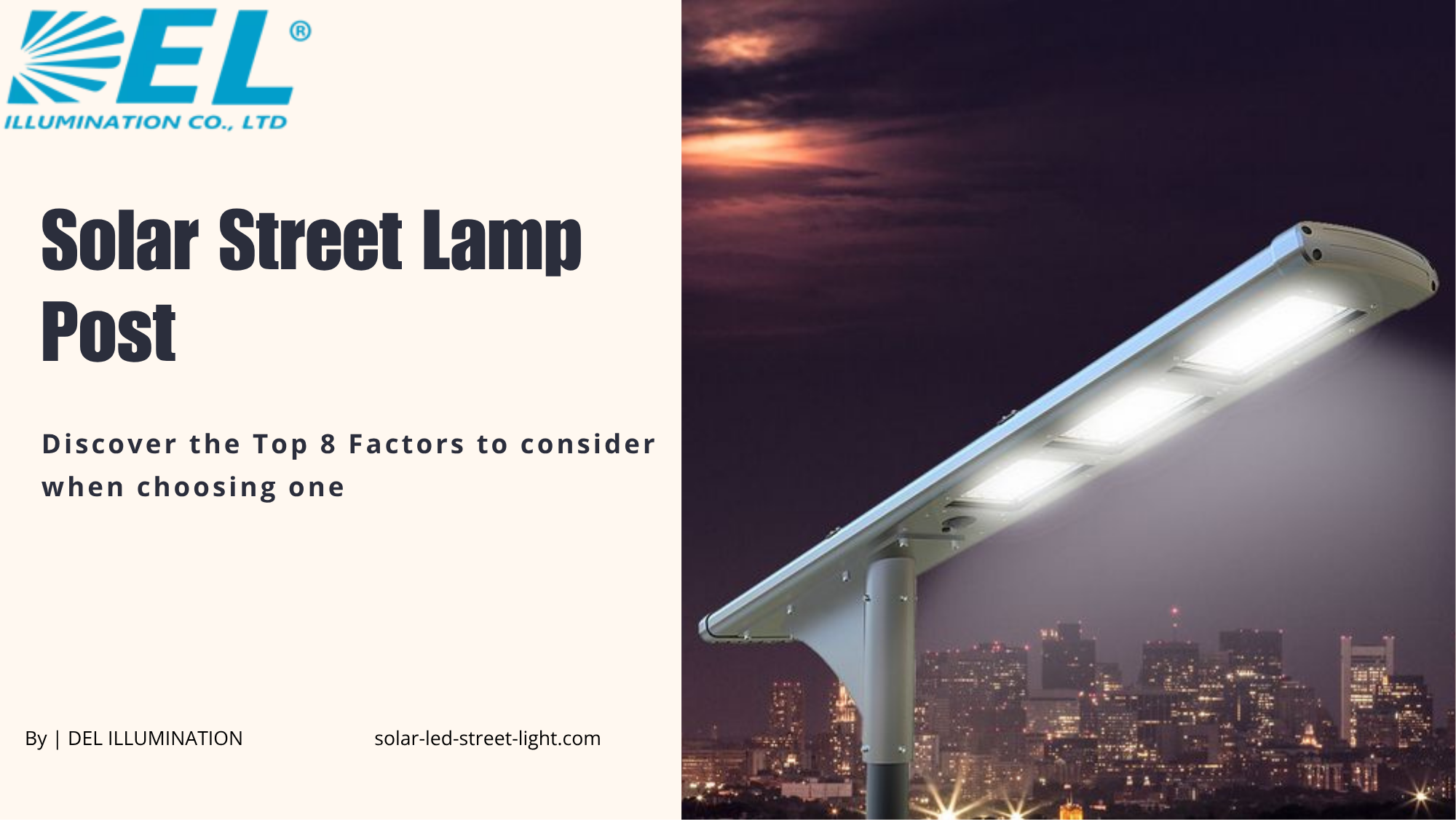
The popularity of the solar street lamp post has been rising as more cities worldwide invest in sustainable infrastructure. These units are eco friendly and budget friendly, making them an ideal option for public lighting in various settings. However, with so many options in the market, choosing the right one that meets your needs can be challenging. A well chosen unit lowers energy costs, reduces maintenance, and delivers reliable brightness for many years. Let us explore the top eight factors you should consider before you buy.
If you want to compare unit types before you begin, the All in One Solar Street Lights range is a useful starting point for most residential and commercial sites.
What to Consider When Choosing a Solar Street Lamp Post
1. Location and Purpose
Location plays a critical role in the effectiveness of a solar street lamp post. The amount of sunlight the solar panels receive is directly related to the amount of energy stored and used to power the unit. A thorough assessment of the installation area is essential, and it should consider the surrounding environment, including nearby buildings, trees, and other structures.
The structure of the soil can also have a significant impact. If the soil is too loose or sandy, it may not hold the weight of the post securely, leading to leaning or falling over. If the soil is too compacted or rocky, it can be challenging to dig a hole deep enough to support the post.
Additionally, the soil composition affects the drainage of water around the base, which impacts stability over time. If the soil is too dense, water may collect and cause erosion.
2. Lighting Output
To ensure adequate lighting throughout the night, it is essential to understand the factors that affect lighting output. These include the size of the area to illuminate and the amount of natural light available during the day. Once you consider these factors, you can determine the appropriate output requirements.
The specific needs of the location must be carefully analyzed to set the optimal brightness level, and the preferences of the users should be taken into account. The brightness level also depends on the height of the pole and the size of the area to light. Higher poles and larger areas require higher brightness levels to ensure the light distributes evenly and provides adequate illumination.
3. Solar Panel Size
The solar panel captures and converts solar energy into electricity, which powers the unit. Its size is important because it determines how much energy can be captured. A larger panel generally captures more energy and generates more electricity, providing more power and allowing the unit to operate for long periods.
However, simply choosing the largest panel available may not always be the best option. Factors such as the location and the amount of sunlight it receives should also be considered.
4. Durability and Weather Resistance
Durability and weather resistance are critical when selecting a solar street lamp post. These features ensure the lighting system can withstand the elements and last for an extended period, making it a smart investment. Many quality units carry IP66 and IK08 ratings, which confirm strong protection against dust, water, and impact.
To ensure durability, select a unit made of high quality materials such as aluminum and stainless steel, which resist corrosion, rust, and other deterioration caused by exposure to the elements.
The design of the pole matters too. It should withstand strong winds, heavy rain, and extreme temperatures, and support the weight of the panel, battery, and other components without buckling. For a practical view of what to inspect on site, the Solar Lighting Project Checklist is a handy reference.
5. Installation and Maintenance
Proper installation ensures the unit works correctly and efficiently. It involves several critical steps, including selecting the right location, preparing the site, and securing the pole. If installation is incorrect, the unit may not receive enough sunlight to charge the batteries, resulting in dim or inconsistent lighting.
Regular maintenance keeps the system in good working order. Tasks may include cleaning the solar panel, replacing the batteries, and checking the wiring connections. Because these units rely on renewable sunlight rather than a grid connection, the maintenance burden is generally light compared with traditional grid powered lighting.
6. Cost and Return on Investment
Cost is always a concern to buyers. It includes the initial purchase price and ongoing maintenance expenses, so it is essential to evaluate whether the unit provides real returns over its service life.
A key advantage is that these lights are energy efficient and eco friendly, using renewable solar energy. This leads to significant savings over time, as there is no need to pay electricity bills, and minimal maintenance reduces ongoing upkeep expense.
Still, consider the upfront cost of purchase and installation. High quality units with advanced features and durable materials may cost more initially, yet they deliver better value in the long run, requiring less maintenance and lasting many years before major parts need attention.
7. Design
Design is a crucial factor to consider when choosing a solar street lamp post. The design of the pole can impact its effectiveness, efficiency, and overall functionality. Choosing the right design can ensure that the unit looks good and performs optimally.
The height of the post should be selected based on the surrounding area, the amount of light needed, and the type of traffic that will be passing by. A taller pole is required for high traffic areas or areas where more illumination is needed, while a shorter post may be suitable for low traffic areas.
The overall design also affects durability and resistance to weather. The pole must withstand high winds and harsh conditions without compromising the panel or battery system, and its materials should be durable and long lasting.
Design impacts aesthetics too. The pole should blend into its surroundings rather than detract from the landscape, so the color, shape, and size all deserve careful thought to keep it visually appealing.
8. Warranty and Support
The warranty ensures that the post is free from defects in material use and that the manufacturer will repair or replace any defective parts. A good warranty gives the buyer peace of mind and protects their investment.
Good support is equally essential. A reputable manufacturer should have a knowledgeable, responsive customer service team and a network of authorized technicians who can fix problems quickly. Research the warranty and support before you buy a solar street lamp post. If you need tailored guidance, the DEL Illumination team is happy to help through the contact page.
Conclusion
Choosing the right solar street lamp post requires careful consideration of many factors. By weighing location, lighting output, panel size, durability, installation, cost, design, and warranty, you can select a high quality unit that illuminates your outdoor space and reduces your carbon footprint. The use of solar energy is revolutionizing the lighting industry, and a well chosen unit is one of the simplest ways to bring that benefit to your community. Explore the full range at DEL Illumination and light your streets the sustainable way.
Frequently Asked Questions
How long does a solar street lamp post last?
A quality solar street lamp post typically lasts many years. The pole and housing can serve for well over a decade, while the battery usually needs replacement after around five to seven years depending on climate and usage.
How much sunlight does a solar street lamp post need?
Most units perform best with several hours of direct daily sunlight. Positioning the panel away from shade cast by buildings and trees ensures the battery charges fully so the unit runs reliably through the night.
Is a solar street lamp post suitable for rainy or cold regions?
Yes. A solar street lamp post rated IP66 and IK08 resists dust, heavy rain, and impact, and quality models are built to operate across a wide temperature range, making them dependable even in demanding climates.
How much maintenance does a solar street lamp post require?
Maintenance is minimal. Periodic cleaning of the solar panel, occasional battery replacement, and simple checks of the wiring connections are usually all that is needed to keep the system working efficiently.
Does a solar street lamp post save money compared with grid lighting?
Over its lifetime, yes. Because it draws power from the sun rather than the grid, a solar street lamp post eliminates electricity bills and reduces maintenance costs, offsetting the higher upfront price within a few years.