
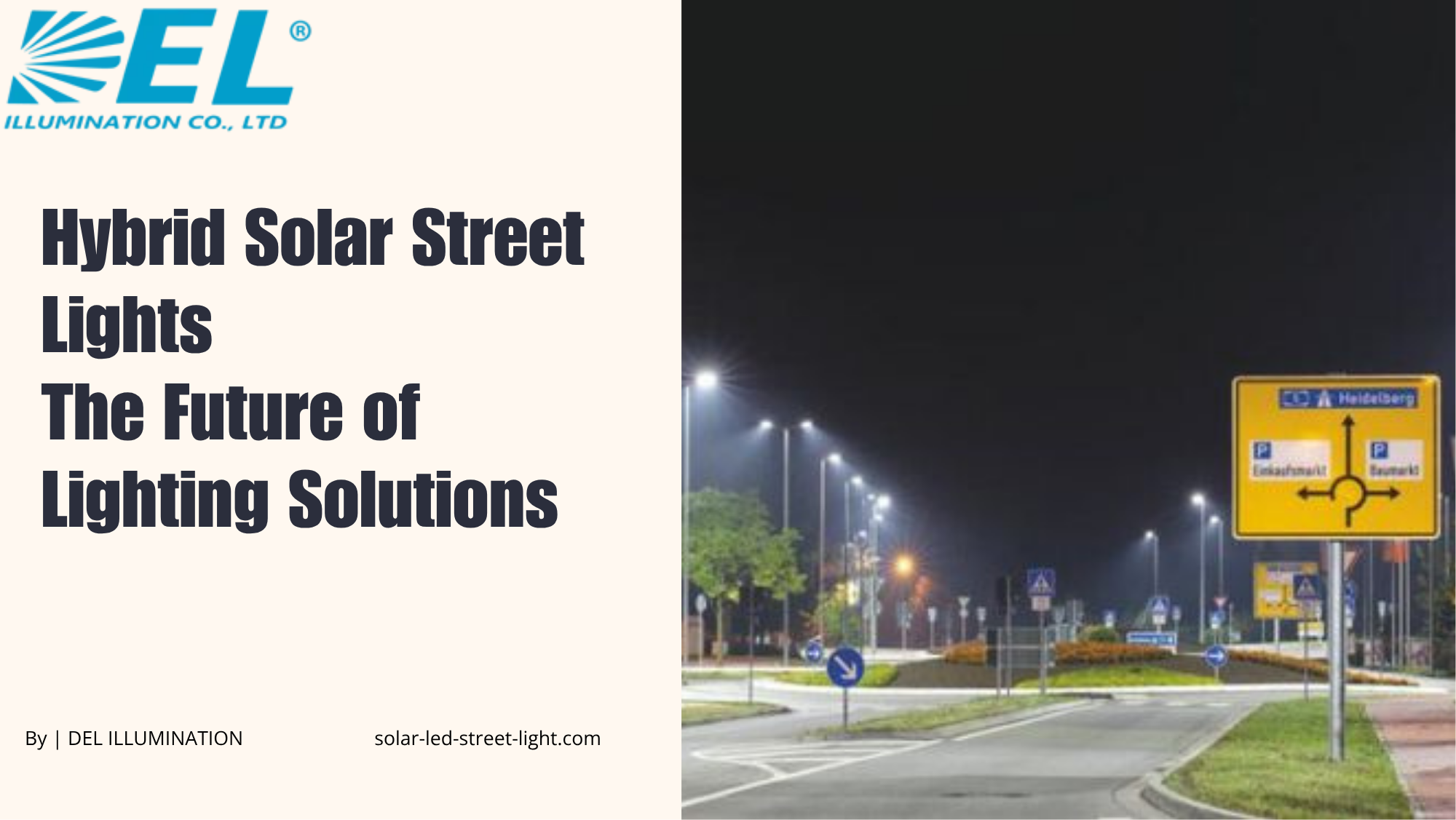
Hybrid solar street lights are an innovative solution for illuminating streets and public spaces. These lights combine the power of solar energy and grid electricity to provide a reliable and sustainable source of light. Unlike traditional street lights, hybrid solar street lights can operate independently of the grid, making them ideal for use in remote areas and locations with limited access to electricity. With their advanced technology, they offer numerous benefits for cities, businesses, and communities alike. Let us dive into the advanced world of hybrid solar street lights and see why they are shaping the future of outdoor lighting. If you are comparing unit types, the All in One Solar Street Lights range is a useful reference point.
Components of Hybrid Solar Street Lights
Hybrid solar street lights consist of several components that work together to generate and store electricity for street lighting.
Solar panels are made up of photovoltaic cells that convert sunlight into electricity. They are typically mounted on top of the pole or a nearby structure for maximum sun exposure.
Batteries store the energy generated during the day so it can power the lights at night, and are usually made of lead acid or lithium ion housed in a weatherproof cabinet.
LED lights serve as the light source, energy efficient and long lasting while producing bright illumination.
The controller is the brain of the system, managing the LED operation and monitoring battery charge levels, and can be programmed to switch lights on and off automatically.
A backup power source such as a generator or grid connection ensures uninterrupted lighting during prolonged cloudy days. Finally, sensors including motion, light, temperature, and rain sensors help the system respond intelligently to its surroundings.
Working Mechanism of Hybrid Solar Street Lights
Hybrid solar street lights work through a combination of solar power and grid electricity, ensuring they function even during cloudy weather. The solar panels absorb sunlight during the day and convert it into electricity, which is stored in batteries. At night, the LED lights are powered by the batteries, and motion sensors turn them on only when needed. The energy management system monitors battery levels and system performance, which can be accessed through a web based interface. You can learn more about the underlying concept from this overview of hybrid solar lighting.
Benefits of Hybrid Solar Street Lights
What are the advantages of these lighting systems?
1. Budget Friendly
Hybrid solar street lights are budget friendly because they rely heavily on solar energy, a free and renewable source of power. By charging their batteries during the day, they operate at night without drawing from the grid, which significantly reduces electricity bills. They are also built with energy efficient technologies such as LED lights, motion sensors, and timers, which further cut consumption. LED lights can last up to 50,000 hours, meaning less frequent replacement and lower maintenance costs.
2. Energy Efficient
These systems are highly energy efficient due to their unique design, combining solar power and grid power for uninterrupted lighting through the night. An intelligent controller regulates brightness based on ambient light, so the output adjusts automatically and stays neither too bright nor too dim. The LED bulbs add further efficiency, consuming much less energy and lasting longer than traditional bulbs.
3. Environmentally Friendly
These lights are environmentally friendly because they rely heavily on solar power, a clean and renewable source that produces no harmful pollutants or emissions, so they do not contribute to air pollution or global warming. They use solar energy to recharge their batteries during the day, which means they can operate completely off the grid, reducing strain on the electrical network and conserving natural resources. This matters most in areas where the grid is unreliable or nonexistent, since these lights deliver dependable illumination without fossil fuels.
4. Easy to Maintain
Maintenance is simple. Because these lights use both solar energy and traditional electricity, they require minimal upkeep. Panels should be cleaned periodically for maximum efficiency, and faulty components can be replaced without specialized tools. LED lights and sensors add to the ease of care: LEDs last far longer than traditional bulbs, while motion sensors adjust brightness to reduce wear and tear, lowering running costs over time. For a practical view of what to inspect on site, the Solar Lighting Project Checklist is a handy reference.
5. Long Lifespan
Several factors extend the lifespan of these lights. They use high quality solar panels built to withstand harsh weather and last up to twenty five years or more, paired with efficient, durable LED technology. The batteries, typically lithium ion, deliver reliable performance for many years and are rechargeable, so they can be reused rather than replaced. The systems are also built to minimize energy waste, which extends service life further.
6. Reliability
Reliability comes from advanced design and efficient use of renewable energy. Each unit pairs solar panels with a backup battery, ensuring uninterrupted operation even during periods of low solar output or bad weather. The panels store energy in the battery by day, which then powers the LED lights at night for bright, consistent illumination, keeping the lights running even when the panels cannot generate enough energy on their own.
Challenges of Implementing Hybrid Solar Street Lights
What are some of these challenges?
1. Initial Costs
Hybrid solar street lights come with an upfront investment that can be quite high compared to conventional street lights. Initial costs include solar panels, batteries, lighting fixtures, and installation. However, these costs are offset over time by long term benefits such as reduced energy bills and lower maintenance expenses.
2. Technical Challenges
One technical challenge is the variability of solar power generation, which depends on weather conditions and can vary by time of day, season, and location. This variability can affect reliability and consistency. Smart technology addresses this by using sensors and controllers to regulate the amount of energy used, managing the charging and discharging of the batteries so they stay well maintained and last long.
3. Perception and Resistance to Change
Some people perceive that solar power is not reliable and cannot match conventional grid connected electricity. This perception can create resistance to adoption. Governments, non governmental organizations, and private companies can educate people about the benefits of hybrid solar street lights through public campaigns, workshops, and training programs, helping shift perceptions and encourage wider adoption.
Conclusion
Hybrid solar street lights are a promising innovation in the lighting industry, offering a sustainable and reliable source of illumination for streets and highways. With advancing technology and increased adoption, these lights have the potential to transform the way we light our cities and towns. They are not only environmentally friendly but also budget friendly, making them an attractive option for both governments and businesses. To explore models suited to your project, visit DEL Illumination or reach out through the contact page for tailored guidance.
Frequently Asked Questions
What is the difference between hybrid solar street lights and standard solar lights?
Standard solar lights rely solely on stored solar energy, while hybrid solar street lights combine solar power with a grid or generator backup. This backup keeps them running reliably through extended cloudy periods when solar charging alone may fall short.
How long do hybrid solar street lights last?
The panels and housing can last up to twenty five years or more, while the battery typically needs replacement after several years depending on climate and usage. Quality LED modules can run for tens of thousands of hours before dimming noticeably.
Do hybrid solar street lights work during power outages?
Yes. Because they store energy in batteries and can draw on a backup source, hybrid solar street lights continue operating during grid outages, which makes them valuable for essential roads and public safety areas.
Are hybrid solar street lights suitable for rainy or cloudy regions?
They are well suited to variable climates. The grid or generator backup compensates for low solar output during long spells of cloud or rain, so lighting stays consistent even where sunlight is unpredictable.
How much maintenance do hybrid solar street lights require?
Maintenance is minimal. Periodic cleaning of the solar panel, occasional battery replacement, and simple checks of the controller and wiring are usually all that is needed to keep the system performing efficiently.