
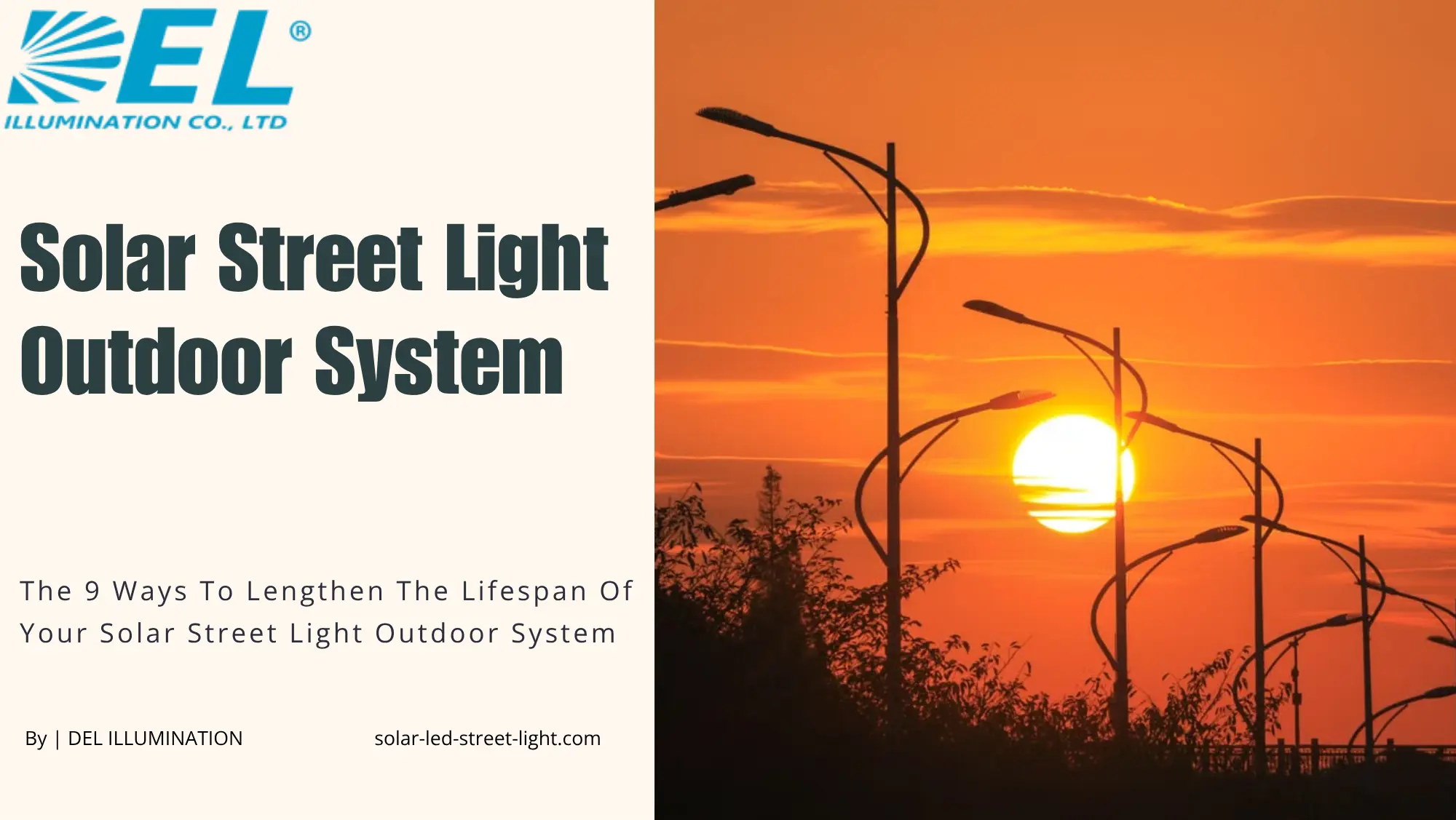
In the realm of sustainable energy solutions, solar street light outdoor systems have gained widespread acclaim for their eco friendly nature and cost effective operation. To ensure the longevity and optimal performance of these systems, a proactive approach to maintenance and care is paramount. Are you wondering what you can do to increase the lifespan of your lighting solution? We’ve got you covered. Let’s explore the key measures that will illuminate the path to a prolonged and efficient solar street light outdoor system and help you protect the investment for a decade or more.
How To Lengthen The Lifespan Of Your Solar Street Light Outdoor System
What can you do to maximize the longevity of your solar street light? A quality solar street light outdoor system can run for 8–12 years or longer when its components are well chosen and properly maintained, while a neglected one can fail in just 2–3 years. The nine measures below make the difference.
1. Quality Components
The solar panels, for instance, are the foundation of your solar street light outdoor system’s energy production. Choose high efficiency solar panels that can effectively convert sunlight into electricity. These quality panels are designed to withstand various weather conditions, including rain, snow, and prolonged UV exposure, without deteriorating quickly. Regular cleaning and proper maintenance of the panels further contribute to their extended lifespan.
Equally important is the choice of battery storage. Consider advanced battery technologies like lithium ion or LiFePO4 batteries, which boast higher energy density and longer cycle life often 2,000–3,000 charge cycles compared to just 300–500 for traditional lead acid batteries. By managing the charging and discharging processes effectively, you can maintain the health and longevity of these batteries.
When it comes to lighting, investing in high quality LED lights is a prudent choice. LED lights not only offer energy efficiency but also come with a longer operational life of around 50,000 hours. Their reduced energy consumption and minimal heat generation alleviate strain on the entire solar street light outdoor system.
2. Proper Installation
Installing a solar street light outdoor system correctly is essential to ensure its long term functionality and maximize its lifespan. A well executed installation provides several crucial benefits that contribute to the long term functionality of your solar street light system. First and foremost, positioning the solar panels in optimal angles and directions ensures that they receive maximum sunlight exposure throughout the day. This allows the panels to efficiently convert solar energy into electricity, powering the lights effectively during the night.
Accurate placement of the battery storage unit and other components prevents unnecessary exposure to harsh environmental conditions. This safeguards the components from potential damage caused by extreme weather, moisture, and other environmental factors. Proper installation also takes into consideration factors such as drainage and ventilation, preventing water accumulation and heat buildup, which can both negatively impact the system’s longevity. Getting the pole spacing and mounting right is part of this foundation.
3. Regular Cleaning
Dust and moisture can create a conducive environment for corrosion and rust to develop on metal parts of the solar street light outdoor system. Over time, this corrosion can compromise the structural integrity and functionality of the system. By regularly cleaning and maintaining the system, you minimize the risk of corrosion and damage, thereby prolonging its overall lifespan.
A clean solar panel is vital to your solar street light outdoor system. When dirt and grime accumulate on the panels, they create a barrier that reduces the amount of sunlight reaching the surface. Even a thin layer of dust can cut energy generation by 20–30%. This hinders the panels’ ability to generate maximum energy, thereby decreasing the efficiency of the entire system. Regular cleaning ensures that the panels receive an unobstructed exposure to sunlight, maximizing energy production.
4. Battery Maintenance
Establishing a routine maintenance schedule for your street light is crucial. Regularly inspect connections, tighten bolts, and assess the physical condition of system components. Address any issues promptly to prevent further damage. Additionally, perform regular testing on battery capacity and overall system performance. Detecting declining performance early allows for timely interventions, such as replacing batteries showing signs of wear.
To ensure the long term performance of your solar street light outdoor system, inspect the battery terminals for any signs of corrosion. If corrosion is present, use a mixture of baking soda and water to clean the terminals, followed by a thorough rinse. Apply a terminal protection spray to prevent future corrosion.
5. Optimal Battery Depth of Discharge
When the battery is subjected to frequent deep discharges meaning it’s consistently drained to a low energy level it experiences higher levels of stress and strain. This stress can lead to chemical and physical changes within the battery that contribute to its deterioration over time. On the other hand, shallower discharges, where the battery is not fully depleted, impose less strain and help mitigate these detrimental effects. As a rule of thumb, keeping depth of discharge below 50% significantly extends battery life.
To implement this strategy effectively, it’s crucial to understand your solar street light outdoor system’s energy consumption patterns. By ensuring that the battery is not discharged excessively, you’ll minimize wear and tear, and the battery will retain its capacity and performance over an extended period.
6. Temperature Control
During hot weather conditions, excessive heat can lead to accelerated wear and tear on the system’s components, including the solar panels, battery, and LED lights. High temperatures can degrade battery performance and reduce its overall lifespan. Moreover, prolonged exposure to heat can cause the LED lights to lose efficiency and brightness over time. Both hot and cold temperatures can impact the lifespan of your solar street light outdoor system.
To counteract these temperature related challenges you can:
- Incorporate proper ventilation and heat dissipation mechanisms into the design of your solar street light system.
- Insulate sensitive components such as batteries to protect them from extreme temperatures.
- Utilize advanced thermal management systems, such as heat sinks or heat pipes, to efficiently transfer and distribute heat away from critical components.
- Integrate temperature sensors to monitor the temperature of key components in real time.
- Consider implementing seasonal adjustments to the system’s performance parameters.
7. Lighting Programming
Through lighting programming, you can establish optimized usage patterns for your solar street lights. This means setting specific time intervals for the lights to operate at full brightness, dimmed levels, or even turned off when not needed. By avoiding unnecessary usage during daylight hours or low activity periods, you reduce wear and tear on the system components, leading to a longer overall lifespan. Pairing this with motion sensor or remote control technology makes the savings even greater.
Excessive heat generated by continuous operation can adversely affect the components of your solar street light outdoor system. By programming the lights to dim or turn off during cooler parts of the day or when their illumination is not required, you can significantly reduce the heat generated. This reduction in heat stress can prevent premature degradation of sensitive components, such as batteries and LED modules.
8. Surge Protection
When electrical surges occur, such as those caused by lightning strikes or grid instability, they can send excessive voltage through the system. This surge of energy can overload and damage sensitive components like solar panels, batteries, LED lights, and control circuits.
The active role of surge protection in your solar street light outdoor system cannot be overstated. Without proper protection, your system is vulnerable to premature wear and tear, reducing its operational efficiency and necessitating frequent repairs or replacements. However, with surge protection in place, you can enjoy peace of mind knowing that your solar street light system is fortified against unforeseen power fluctuations, allowing it to perform optimally for an extended period.
9. Regular Inspections
During these inspections, focus on each key component, including the solar panels, battery, LED lights, and wiring. Check the solar panels for any signs of dirt, debris, or shading that might obstruct sunlight absorption. Clean the panels as needed to maintain their efficiency. Examine the battery for corrosion, leaks, or any irregularities that could compromise its performance. If issues are detected, take immediate action to repair or replace the battery.
Throughout the inspection process, keep detailed records of findings and maintenance actions. This documentation serves as a valuable reference for tracking the performance of your solar street light outdoor system over time and identifying patterns of wear and deterioration. A simple annual or semi annual inspection routine is one of the cheapest ways to add years of service.
Conclusion
Incorporating these preventive strategies into the maintenance routine of your street light system can significantly extend its lifespan. Remember, a well maintained solar street light outdoor system not only increases its lifespan but also maximizes energy savings and promotes sustainable lighting solutions. From quality components and proper installation to battery care, temperature control, and regular inspections, every measure compounds into years of extra reliable service. Do you need a solar street light outdoor system? Visit solar led street light.com or contact us for expert advice and a customised quote.
Frequently Asked Questions
1. How long does a solar street light outdoor system typically last? A quality solar street light outdoor system generally lasts between 8 and 12 years, though individual components age at different rates. The LED can run for around 50,000 hours and the panel for 25 years, while the battery is usually the first part to need replacement. Good maintenance pushes every component toward the higher end of its range.
2. Which part of a solar street light outdoor system needs the most maintenance? The battery requires the most attention because it charges and discharges every single day, making it the most stressed component. Keeping the depth of discharge shallow, terminals clean, and temperatures moderate all extend its life. Routine battery testing helps you catch decline before a total failure.
3. How often should I clean the solar panels on my system? In most climates an inspection and cleaning every few months is sufficient, with more frequent cleaning in dusty or polluted areas. Even a thin dust layer can reduce energy generation by 20–30%, which strains the battery. Regular cleaning is one of the simplest, highest value maintenance habits for any solar street light outdoor system.
4. Does temperature really affect how long my solar street light lasts? Yes, significantly. Excessive heat degrades battery chemistry and reduces LED efficiency, while extreme cold lowers battery output. Incorporating ventilation, heat dissipation, and quality thermal management into your solar street light outdoor system protects it from temperature related wear and meaningfully extends its lifespan.
5. Is surge protection necessary for a solar street light outdoor system? Absolutely. Lightning strikes and voltage spikes can instantly damage panels, batteries, and control circuits, leading to costly premature failure. Built in surge protection shields these sensitive components, making it an essential safeguard for any solar street light outdoor system installed in open or storm prone locations.