
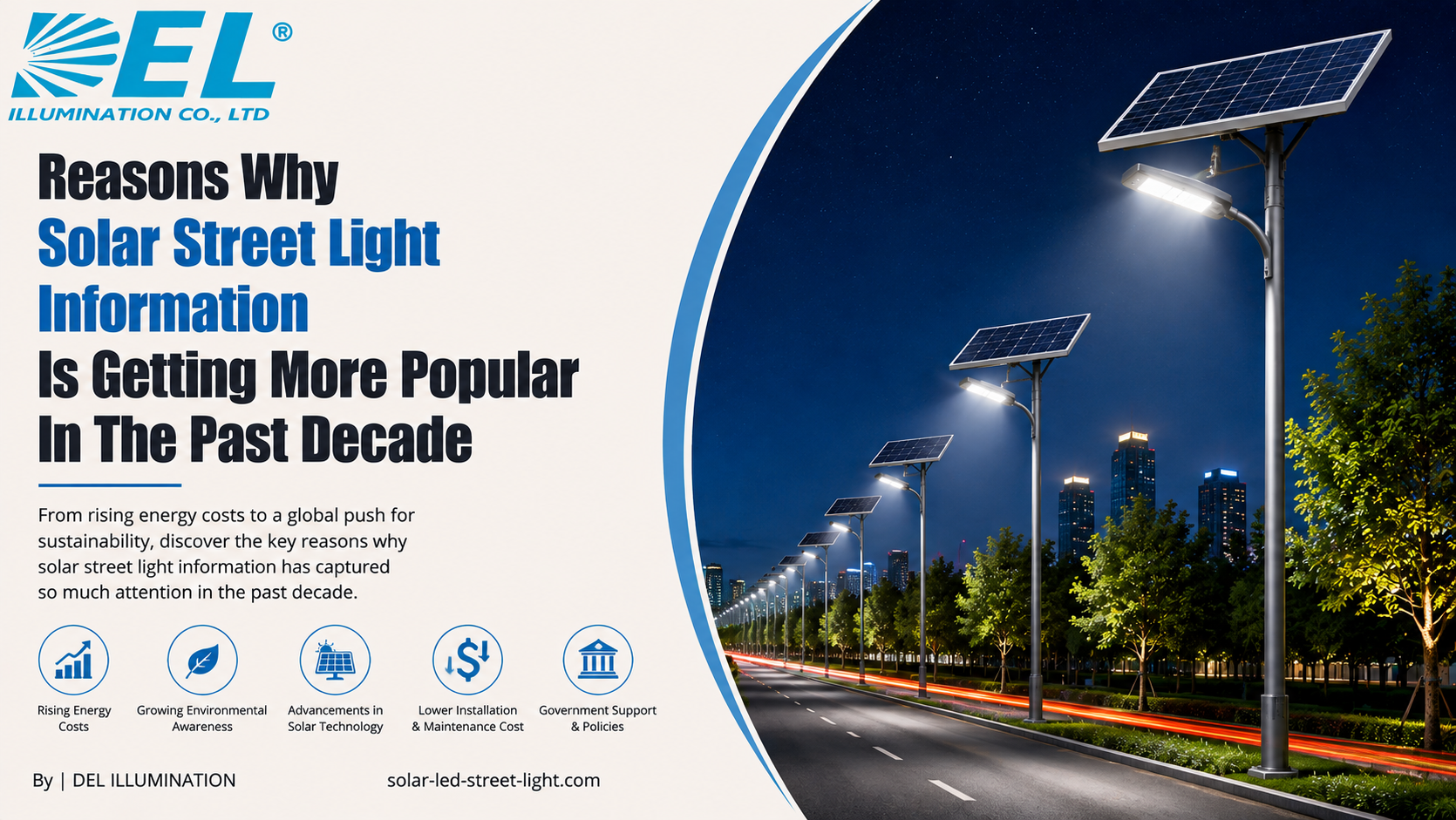
Over the past decade, a wealth of solar street light information has helped solar street lights become far more popular. When you are considering a solar street light project, good information makes it possible to get exactly what you need for your lighting. Below is a practical list of the solar street light information to weigh up before you choose the kind of street light to purchase, which can make the whole process far less stressful. If you want to see real fixtures alongside this guide, browse our All in One Solar Street Lights range.
Traffic Hours
What are the key traffic hours on your street? Is there likely to be minimal traffic after a certain time? If your area sees little or no traffic between 2am and 6am, solar street light information can help you plan adaptive lighting that lowers a fixture’s wattage during those quiet hours to conserve energy. Reducing wattage for part of the night means the size of the solar panel needed to run the fixture can be smaller, which lowers the overall cost of maintaining and running the system.
If traffic stays steady all night, there is no need for adaptive lighting. Using reliable solar street light information, you should carry out a thorough analysis of traffic patterns and how the area is used before settling on a particular fixture. Adaptive lighting strategies tend to work best in residential or rural areas.
Shading
Having the right solar street light information about shading is important. Is the place where the lights will be installed covered by trees? Solar street lights should sit where they get direct sunlight, because that is how they charge their batteries and work effectively at night. Installing them in shade invites operational problems later. If a fixture must go under trees, mount the panel remotely in a sunny spot so the light pattern stays even. Other options include using taller poles, trimming the trees, or combining both approaches.
Street Lighting Level Requirements
What lighting level do you actually need? If you are installing a street light on a roadway, you must know whether it is a two or four lane road. Based on the lighting requirement and the width of the street, the right solar street light information makes it easy to determine how many fixtures you need. For a home, the size of your compound will decide the number of lights required.
You can also opt for a wider light distribution pattern, since this can reduce the number of fixtures a project needs. That choice affects the total proposal cost, including installation and materials. On a typical road, fixture spacing is often around 100 feet, though this depends on the location and the width of the roadway. This is exactly why getting accurate solar street light information is so valuable, since it tells you what you truly need.
Much of the best information comes from engineers, some of whom use IES files to provide detailed lighting layouts that show the precise number of fixtures your system requires. A complete analysis is the surest way to narrow the scope of a project. Our Solar Lighting Project Checklist turns this analysis into a step by step plan.
Mounting Requirements
Do you know the specific mounting requirements, such as fixture brackets and wind loading? This is another reason to gather solid solar street light information. When mounting your solar street light, make sure it goes on the correct pole, or the character of the whole project can change. Checking the wind load rating, which is usually listed in the product’s technical sheet online, is strongly recommended in regions prone to hurricanes and large storms. A high wind load rating keeps the light standing through whatever the weather brings.
Mounting height rules also matter. In some areas you must follow these rules before installing your lights. The solar panel usually sits at the top of the pole with the fixture placed below it. Reviewing solar street light information prepared by experts tells you exactly how to mount both the panel and the fixture correctly.
Why This Information Matters More Than Ever
Demand for clear solar street light information has grown alongside the technology itself. According to the International Energy Agency, solar photovoltaic capacity has expanded dramatically over the last decade, so more buyers than ever are researching how to specify and install solar lighting correctly. Good information turns a confusing purchase into a confident one.
Solar Street Light Information: Conclusion
To succeed in installing your solar street light, you need to understand every aspect of the relevant solar street light information, and you can always seek help from lighting experts. The more you learn, the higher your chances of completing your street light proposal smoothly and getting the result you want. If you have any requirement for solar street lights, please feel free to reach out through our contact page.
Frequently Asked Questions
What is the most important solar street light information to gather first?
Start with your site’s traffic hours, shading and required lighting level. These three factors decide the fixture wattage, panel size and number of lights, which drive both performance and cost.
How does shading affect a solar street light?
Shade stops the panel charging fully, which weakens night time performance. If trees are unavoidable, mount the panel remotely in direct sun, use a taller pole, or trim the branches to keep the panel exposed.
How far apart should solar street lights be spaced?
On a typical road, fixtures are often spaced around 100 feet apart, but the ideal distance depends on the road width, the lighting level required and the beam pattern of the fixture you select.
Why does wind load rating matter?
In areas prone to storms or hurricanes, a high wind load rating keeps poles and fixtures standing safely. It is one of the key specifications to check in a product’s technical information before buying.
Where can I find reliable solar street light information?
The best sources are manufacturers and lighting engineers who provide IES files and detailed layouts. These show the exact number of fixtures and the spacing your specific project needs.