
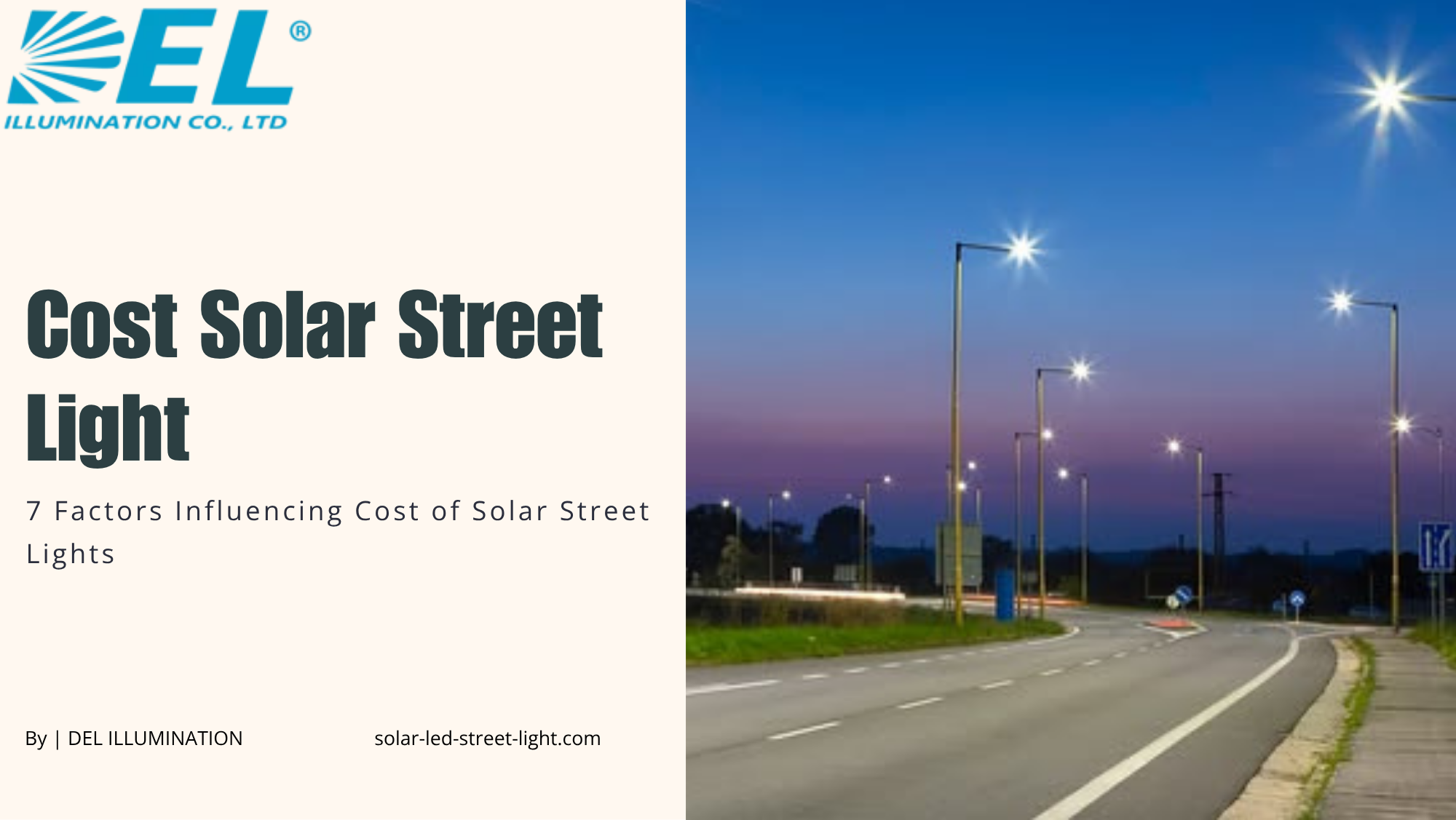
The shift toward sustainable energy has sparked fresh interest in the cost of solar street lights.
As cities prioritize eco friendly alternatives, understanding what drives this pricing becomes essential for anyone planning a project. Several elements shape it, and we break down the main ones below.
Factors Influencing the Cost of Solar Street Lights
1. Quality of Components
High quality photovoltaic modules, usually made from monocrystalline or polycrystalline silicon cells, are key to strong energy conversion.
Panel efficiency directly affects overall system performance, and industry standard silicon wafers with high purity push that efficiency higher. Choosing a better panel raises the cost of solar street lights, but it also improves long term output.
Battery quality matters just as much. Lithium ion batteries are now standard, and newer technologies like solid state batteries improve charge cycles, energy density, and reliability, though usually at a higher price point.
A battery undersized for the local climate will also drain faster and need earlier replacement, which adds hidden expense down the line.
2. Light Fixture Type and Quality
The fixture type has a direct impact on efficiency, lifespan, and overall project pricing.
LED fixtures are now the clear preference thanks to their high luminous efficacy, which lowers energy use and operating costs over time. Fixture quality also affects durability, since well built units resist weather damage and need less maintenance.
Features like smart controls and sensors add further cost but improve energy optimization.
3. Lumens Output
Lumens measure the total visible light a fixture produces, and higher output usually means a higher manufacturing cost.
Solar street lights with strong lumen output typically use more advanced LEDs and better thermal management, both of which raise the cost of solar street lights.
Brighter output matters for large areas like roads and parking lots, but it pays to balance brightness against efficiency to keep long term costs down. Oversizing lumen output for a quiet residential street, for example, adds expense without a real safety or visibility benefit.
4. Pole Material and Design
Pole material is a major cost driver. Galvanized steel and aluminum are common choices thanks to their strength and resistance to corrosion.
These materials hold up against harsh weather without losing structural integrity, which affects long term expenses. Pole design matters too, since engineers account for wind resistance and load bearing capacity to reduce vibration and improve long term stability.
5. Installation and Labor Costs
Installation involves site preparation, foundation work, and correctly positioning the whole system.
Skilled labor is needed to angle the panels properly for maximum sunlight capture, and a more efficient installation process lowers the overall cost of solar street lights. Connecting inverters, batteries, and LED fixtures also requires real expertise, and labor remains one of the more significant factors shaping total project cost.
Getting quotes from more than one installer is often the easiest way to see how much this line item can vary for the same equipment.
6. Smart and Remote Monitoring Features
Smart features add real cost but also real value.
Sensors that adjust brightness based on ambient light or motion help conserve energy, and smart monitoring systems using internet connected technology allow real time performance tracking across an entire installation.
This visibility makes it easier to catch a failing panel or battery early, before it turns into a costly full replacement. Predictive analytics that account for weather and usage patterns can further reduce the maintenance side of this expense over time.
For a broader look at what affects total project budgets, our guide on factors to include in a solar street light project proposal is worth reading.
7. Geographic Location
Location plays a major role in the cost of solar street lights.
Regions closer to the equator get more consistent, intense sunlight, which improves panel efficiency and lowers the cost per unit of energy produced. Areas with higher latitudes or frequent cloud cover often need larger, more expensive solar arrays to make up for weaker sunlight.
Extreme heat or cold can also affect component lifespan and maintenance needs, and panel angle should be adjusted based on local latitude to get the most from available sunlight. Taken together, these regional factors can shift the cost of solar street lights by a meaningful margin between neighboring project sites.
Tips to Remember When Purchasing a Solar Street Light
A few practical checks help control the cost of solar street lights without cutting corners on quality.
Make sure the solar panel has enough capacity for your lighting needs. Choose a battery that can store enough energy to get through cloudy stretches. Pick LED fixtures with lumens suited to the area you are lighting.
Confirm the fixture is rated for your local weather, including rain, snow, and temperature extremes. Consider motion sensors or smart features if energy efficiency matters to your project.
Compare prices across suppliers while keeping quality standards in mind, and always confirm the product includes a solid warranty. Finally, check that the system will integrate cleanly with any existing infrastructure at your site.
Frequently Asked Questions
1. What is the biggest factor affecting the cost of solar street lights?
Component quality, particularly the solar panel and battery, tends to have the largest impact, since higher efficiency parts cost more upfront but reduce long term operating expenses.
2. Does location really change the cost of solar street lights?
Yes. Sites with less consistent sunlight often need larger panels or arrays to produce the same output, which raises both equipment and installation costs.
3. Are smart features worth the added cost of solar street lights?
For many projects yes, since sensors and remote monitoring reduce energy waste and catch maintenance issues early, often paying for themselves over the system’s lifespan.
4. How much do installation and labor add to the cost of solar street lights?
Labor is a meaningful share of the total, since correct panel angling and safe electrical connections require skilled technicians, though efficient installation processes can help control that cost.
5. Is a higher upfront cost of solar street lights always worth it?
Not always, but higher quality components and fixtures generally reduce maintenance and replacement costs over time, so it is worth weighing lifetime cost rather than price alone. For more detail on installation pricing specifically, our post on the cost of solar street lamp installations breaks this down further.
Conclusion
Understanding what shapes the cost of solar street lights helps you make informed decisions for any sustainable lighting project. If you are ready to explore options for your site, feel free to contact us and our team can walk you through the details.