
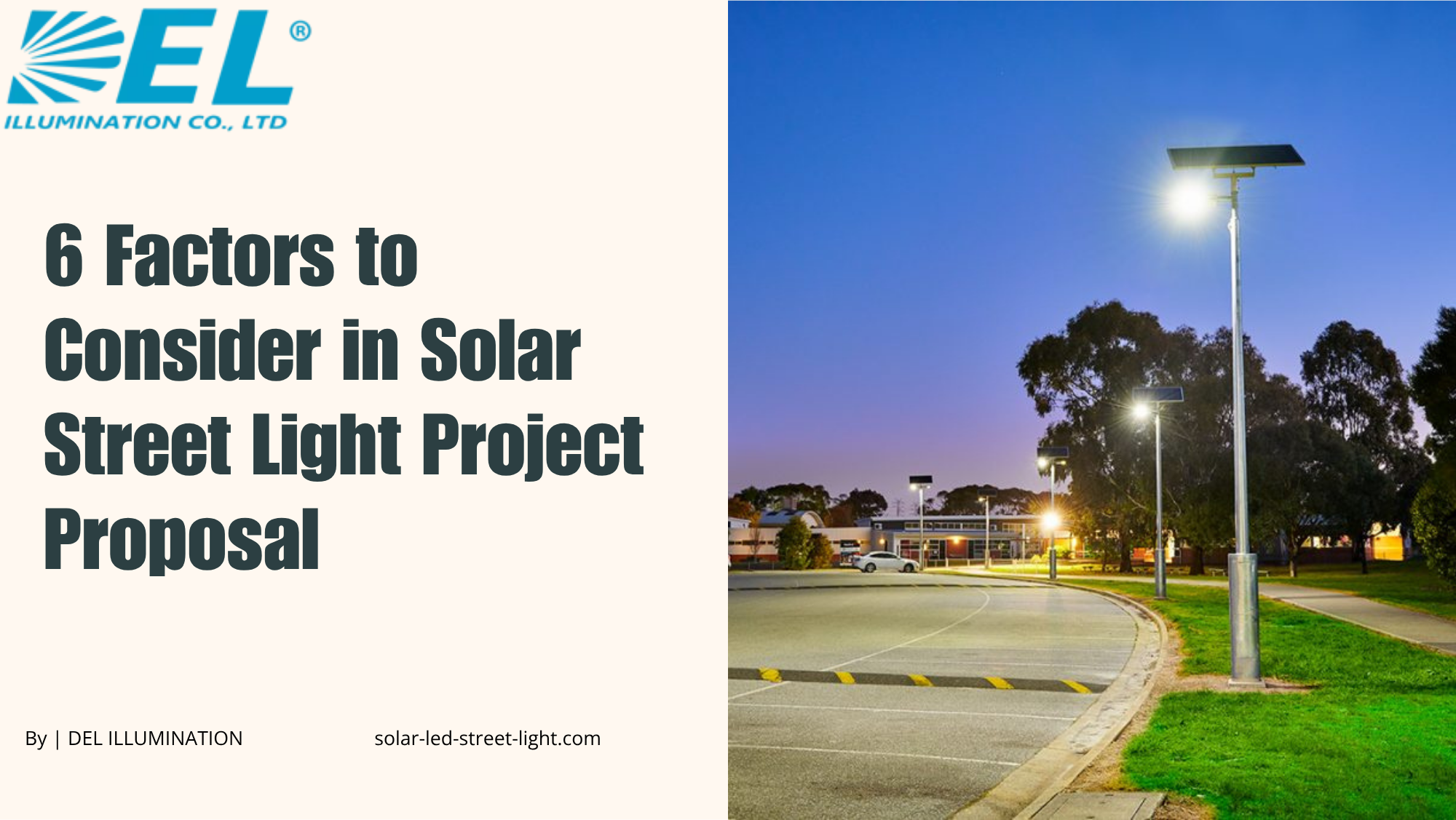
A solar street light project proposal is unique to each project, which is fairly obvious, yet the underlying format stays largely the same. To understand what makes such a plan different from the next one, there are several factors you need to weigh carefully.
Knowing the factors that shape this kind of plan will help you build better specifications from the start. Beyond getting the right fit for your application, a well built proposal lets you offer sponsors and stakeholders a plan they cannot easily turn down.
The Traffic or Amount of Activity in the Street
Your solar street light project proposal should account for the amount of traffic or activity in the area that needs illumination. This means factoring in peak hours to judge the safety concerns properly, and working out the principal and minimal traffic hours for the street.
During quiet hours you can choose fixtures that lower their wattage automatically. Adaptive lighting techniques show up often in proposals written for rural and residential areas, since the system can adjust brightness on its own based on how much traffic is present.
Factoring traffic and activity levels into this kind of planning helps lower overall installation and operational costs while conserving energy for the nights ahead. A full traffic pattern analysis, covering both busy and slow hours, will help you land on the best lighting option for the street. If you want to see how this plays out for busy routes specifically, our guide on choosing the right solar street light for highways goes into more detail.
The Amount of Shade Along the Street
When sunlight lands on the photovoltaic cells of a solar panel, that energy converts into electricity that charges the battery powering the street light. Since these fixtures depend entirely on daylight, the amount of shade along the route matters a great deal in a solar street light project proposal.
Shading accounts for whatever coverage in the street blocks the sunlight needed to generate electricity. This section of the plan should specify the type of cover involved, whether cloud cover, tree cover, or roof cover, along with any obstruction present in the area you plan to illuminate.
Factoring shade into your solar street light project proposal sheds real light on how feasible the project actually is. Where tree cover is heavy, this insight helps determine the design strategy, such as trimming branches, mounting the panel remotely in a sunnier spot while the light itself sits under the canopy, or using poles taller than the surrounding trees. This part of the plan should always aim to keep the light pattern even and avoid operational issues later on.
The Insolation of the Area
Before finalizing a solar street light project proposal, you need to understand the weather and climate patterns of the region. This factor covers not only the annual amount of sunshine available but also how high temperatures affect the efficiency of the solar panels themselves.
It may sound surprising, but excessive heat can actually work against solar panel output, and prolonged exposure to extreme temperatures can prematurely wear down the solar cells. This section should therefore take local weather, the seasons, and the latitude of the region into account.
Innovative Approaches and Technology
Innovation and technology can shift the total cost of a solar street light project proposal. Fixtures on the market today come with advanced battery, panel, and lighting source technology, so staying current with these innovations should be balanced against your available budget.
Newer approaches often carry a higher price than older technology, but the investment tends to pay off. Factoring recent advances into this kind of planning usually means longer service life and lower operational costs down the road.
Regulations and Restrictions
In some regions you will need to account for specific mounting requirements. A solar street light project proposal should meet local rules on pole height or wind loading, and comply with safety regulations designed to withstand whatever conditions the environment presents. These requirements often shape both the materials chosen and the overall design of the lighting system, and skipping this step can lead to permit delays or costly redesigns once the project is already underway.
Illumination Level
Brightness is another element that has to appear in every solar street light project proposal. This part of the plan covers the area of illumination such as road width, pole placement whether central, staggered, or single sided, fixture spacing, mounting height, module tilt angle, and arm length.
Beyond calculating lumens, a proposal needs to address glare, light pollution, uneven light patterns, and wasted energy, often through reflective or refractive non imaging optics or newer LED luminaire designs. Getting this part right early on saves rework later, since changing pole placement or fixture spacing after installation is far more costly than adjusting the layout on paper. Your entire lighting analysis and layout should be included in the proposal under the design phase, since this section largely determines the scope and resources of the project. For a closer look at how upfront numbers fit into this planning, our post on the cost of solar street lamp installations is a useful companion.
Conclusion
Understanding the right factors to include in a solar street light project proposal should help you cut costs and save more energy over the life of the project. Make sure every factor covered above appears in your plan so you end up with an accurate, well rounded proposal. Information matters here, so do not hesitate to consult a solar lighting professional, and for background on how street lighting standards are generally structured, this overview from the International Energy Agency is a helpful external reference. If you would like support building your own project plan, feel free to contact us and our team can walk you through it.
Frequently Asked Questions
1. What should be included in a solar street light project proposal?
A solid plan should cover traffic patterns, shading, regional insolation, technology choices, regulations, and illumination requirements for the site.
2. How does shading affect a solar street light project proposal?
Shade reduces how much sunlight reaches the panel, so this section of the plan needs to document tree cover, cloud cover, and any obstructions before finalizing the design.
3. Why does insolation matter in a solar street light project proposal?
Insolation determines how much usable sunlight the area receives, which directly affects battery charging and panel efficiency, so it plays a central role in any such plan.
4. Do local regulations affect a solar street light project proposal?
Yes. Many regions set requirements around pole height, wind loading, and safety standards, so the plan needs to reflect those local rules from the outset.
5. Who should review a solar street light project proposal before submission?
It helps to have a solar lighting professional review the plan, since they can flag gaps in design, illumination levels, or compliance before it goes to stakeholders.