
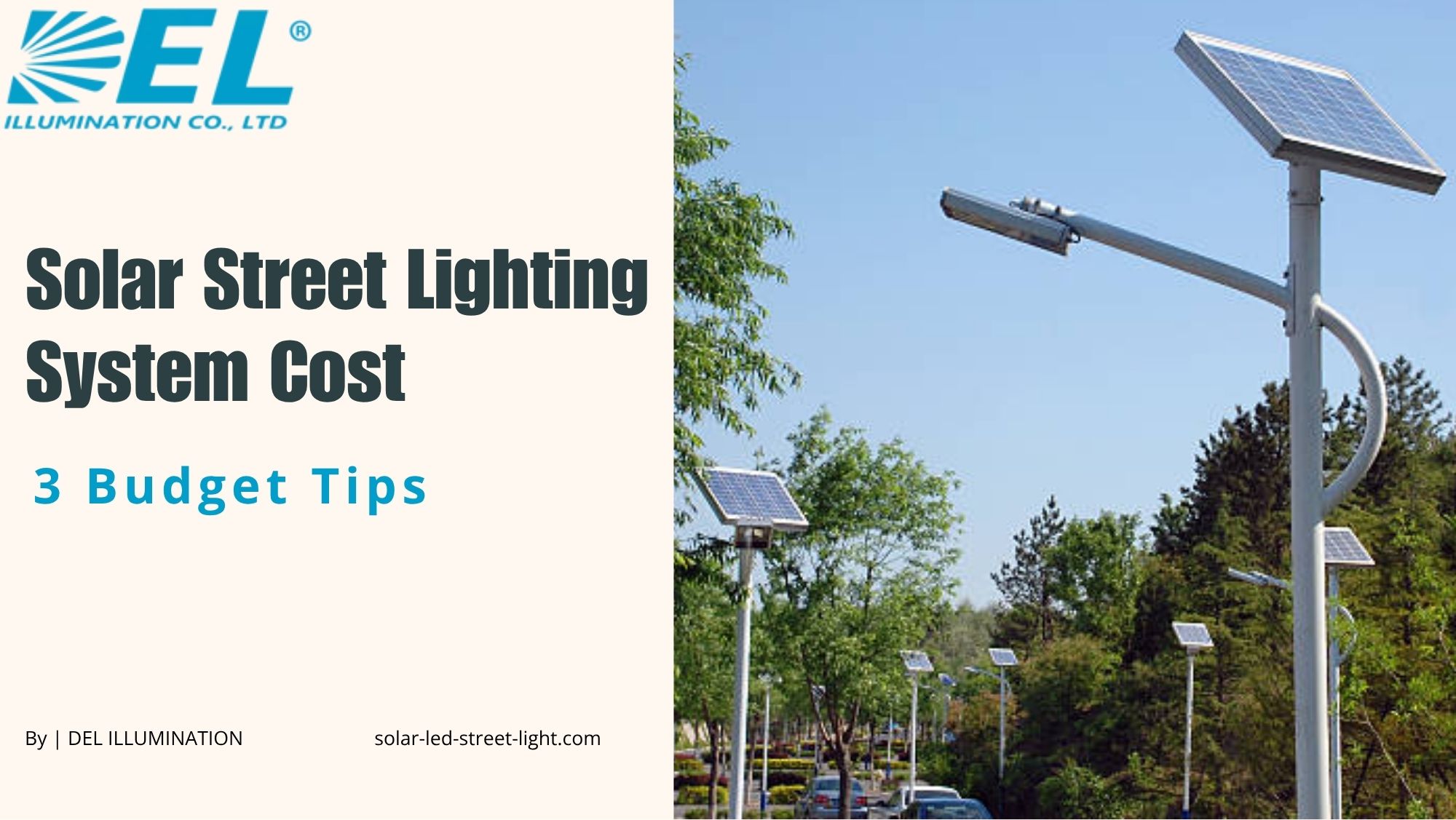
The cost of solar street lighting system projects varies depending on the type of system you choose, the size of the project, and where it is installed. Over their full lifespan, solar street lights usually cost less to own than grid powered high pressure sodium (HPS) lights, because they have no electricity bills and need very little maintenance. They harness renewable energy, so there is no need to worry about power outages.
Solar street lighting systems come with all the necessary hardware, including poles, fixtures, batteries, and controllers. Photovoltaic panels mounted on the fixture or pole convert sunlight into electricity, which is stored in the battery and used to power the lamp at night. Modern all in one solar street lights combine the panel, battery, controller, and LED lamp in one unit, which also helps reduce installation costs.
Factors Affecting the Cost of Solar Street Lighting System
The cost of solar street lighting system projects depends on several factors, including the installation location, the type and size of the system, and the specific needs of the customer. The main cost drivers are:
- Lamp wattage and brightness: Brighter lights need bigger panels and batteries.
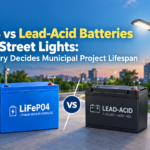
- Battery type and capacity: Lithium iron phosphate batteries cost more upfront but last much longer than lead acid.
- Solar panel size: Sites with fewer sun hours need larger panels.
- Pole height and material: Tall galvanized steel poles for main roads cost more than short poles for pathways.
- Installation and shipping: Foundations, labor, freight, and import duties all add to the total.
- Smart features: Motion sensors, dimming schedules, and remote monitoring increase the price.
There will also be some ongoing maintenance costs to keep the system running smoothly. However, the long term energy savings offset much of the initial expense, and solar systems offer significant savings over traditional forms of lighting. Overall, the cost of solar street lighting system projects is a worthwhile investment despite the upfront cost.
Budget Considerations for a Solar Street Lighting Project
Planning your budget carefully helps you avoid surprises and get the best value. Here are three tips.
Tip 1: Know Your Costs
The first step is to understand the full cost of solar street lighting system components and services. This includes the equipment needed to capture and store solar energy, such as panels, batteries, controllers, and LED fixtures, as well as poles, foundations, shipping, and installation. The sunlight itself is free, which is where the long term savings come from. A solar lighting project checklist helps you list every item so nothing is missed in your budget.
Tip 2: Consider Your Return on Investment
Return on investment (ROI) is the projected savings over the life of the project. For example, if your project is expected to last 20 years, you should compare the cost of solar street lighting system ownership with the cost of grid electricity for a conventional system over those same 20 years. In many projects, the initial investment is recovered within several years through savings on energy bills and avoided trenching and cabling.
Tip 3: Plan for Maintenance and Repair Costs
Maintenance and repair costs are essential for long term planning. Solar systems generally need minimal maintenance, mostly panel cleaning, periodic inspections, and eventual battery replacement. Including them in the cost of solar street lighting system planning from the start prevents unexpected financial strain later and keeps the lights performing well.
Best Return on Investment (ROI)
The initial cost of solar street lighting system installations is offset by energy and maintenance savings over the lifespan of the system. The exact ROI depends on the installation location, the type and size of the system, and the amount of sunlight available, but payback often comes within a few years.
Solar street lights have little or no maintenance costs, which further reduces the overall cost of ownership. They also reduce emissions from fossil fuel power generation and improve road visibility and security for pedestrians and drivers.
Powered by Renewable Energy Sources
Solar panels convert sunlight into electrical energy. This process produces no greenhouse gases or harmful emissions while the lights are running. Solar energy is a sustainable resource that will never run out, and using it helps reduce your carbon footprint. The International Energy Agency reports that the cost of solar PV has fallen sharply over the past decade, which has lowered the cost of solar street lighting system projects around the world.
Easy to Maintain
Solar street lights do not need a connection to the power grid, so there are no monthly utility bills. They need no fuel refills and are highly durable, with minimal upkeep. A quality system can last for many years with minimal maintenance.
Safer Than Traditional Street Lights
Solar street lights run on low voltage DC power, with no exposed grid cables along the road, which reduces electrical hazards during installation and maintenance. They keep working during grid power cuts, so roads stay lit when other lights fail.
Improve Visibility
Modern LED solar street lights deliver bright, even light that helps drivers see clearly at night. Good lighting also makes pedestrians feel safer and more secure on dark roads and pathways.
Cost of Solar Street Lighting System in Terms of Economy
In economic terms, the cost of solar street lighting system projects compares well with traditional street lighting. They run on renewable solar power and need less maintenance than conventional lights. The initial investment is usually higher, but the long term savings from reduced energy consumption and maintenance costs make solar street lighting an attractive option.
When you compare the total cost of solar street lighting system ownership over 10 to 20 years, including electricity, cabling, trenching, and maintenance for grid lights, solar often proves to be the more economical choice, especially on new roads and in remote areas.
Conclusion
The cost of solar street lighting system projects varies significantly depending on the type of system you choose. Solar street lights are cost effective, simple to install, and need minimal maintenance. They are environmentally friendly and help reduce your carbon footprint. They are an excellent choice for areas that are not connected to the grid or that experience frequent power outages.
The key to controlling the cost of solar street lighting system projects is correct sizing, so you do not overpay for capacity you do not need or underbuild a system that fails early. DEL Illumination works as a solar street lighting engineering solution expert, designing each system around the site and budget. Contact our team for a detailed project quote.
Frequently Asked Questions
1. Is a solar street light cheaper than a grid powered street light?
Upfront, a solar street light usually costs more than a grid light fixture alone. But once you add trenching, cabling, grid connection, and years of electricity bills, solar is often cheaper over the life of the project.
2. What is the biggest cost in a solar street lighting project?
It varies by project, but within the cost of solar street lighting system budgets, the battery, pole, and installation often make up a large share. On main roads, tall poles and foundations can be a major part of the budget.
3. How long is the payback period for solar street lights?
Payback depends on local electricity prices, sunlight, and the cost of grid connection. Many projects recover their extra upfront cost within several years.
4. How much does it cost to maintain solar street lights?
Maintenance costs are low. The main tasks are cleaning panels, inspecting fixtures, and replacing batteries at the end of their service life.
5. How can I reduce the cost of a solar street lighting project?
Size the system correctly for your site, choose durable components such as lithium iron phosphate batteries, order in larger quantities, and use integrated designs that reduce installation time.