
What factors do you consider when deciding among the diverse options available for commercial solar street lighting solutions? When choosing the perfect lighting solution, it’s not just about brightness; it’s about a harmonious blend of innovation, efficiency, and sustainability. Let’s dive in and explore the intricacies of what sets our solar street lights apart, meticulously crafted with your 2026 goals in mind. For the fundamentals of how these systems work, our guide on the solar street light working principle is a helpful companion read.
Benefits of Commercial Solar Street Lighting Solutions
Solar street lighting solutions offer a range of benefits that make them an increasingly popular choice for urban and rural areas alike. Such benefits include:
- Energy Efficiency: Solar street lights harness the power of the sun to generate electricity, making them highly energy efficient. They contribute to reducing dependence on traditional grid power, which often relies on non renewable resources.
- Cost Savings: Once installed, commercial solar street lighting solutions have minimal operational costs since they rely on renewable energy sources. The initial investment is often offset by long term savings on electricity bills and maintenance costs. Our post on the 8 ways that affect solar street light price breaks down the cost picture.
- Environmentally Friendly: Solar street lights are a sustainable and eco friendly lighting solution, as they generate electricity without emitting harmful pollutants. They contribute to a lower carbon footprint, supporting environmental conservation efforts.
- Reduced Dependence on Grid Power: Solar street lights operate independently of the grid, making them ideal for remote or off grid locations. This independence ensures continuous illumination even during power outages, enhancing overall reliability. Our post on how village solar street lights help rural communities shows this benefit in action.
- Low Maintenance: Commercial solar street lights have fewer components compared to traditional street lights, resulting in lower maintenance requirements. The absence of wiring and complex infrastructure reduces the likelihood of malfunctions, translating to reduced maintenance costs.
- Long Lifespan: Solar street lights are designed to be durable and have a longer lifespan than traditional street lights. With proper maintenance, these lights can last up to 20 years, ensuring a reliable and long lasting lighting solution.
Key Components of Solar Street Lighting Systems
Commercial solar street lighting solutions consist of several key components working in harmony to deliver cost effective illumination for our spaces. Our post on the anatomy of solar LED street light luminaires breaks these down further. These components include:
- Solar Panels: They are the heart of any solar street lighting system. They capture sunlight and convert it into electrical energy through the photovoltaic (PV) effect. These panels are typically mounted on top of the lighting pole to maximize exposure to sunlight. Learn more in our post on what photovoltaic street lights are.
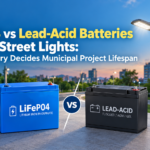
- Battery Storage: Energy generated by the solar panels during the day needs to be stored for use during the night or in cloudy conditions. Rechargeable batteries, such as lithium ion or lead acid batteries, store this energy, ensuring a continuous power supply. Our 10 tips to maintain your solar street light battery help extend battery life.
- LED Lamps: Light Emitting Diode (LED) lamps are the preferred choice for solar street lighting due to their energy efficiency and long lifespan. LEDs provide bright and focused illumination, consuming less power than traditional lighting technologies. Our comparison of HPS lights vs LEDs in outdoor solar street lamps explains why. They also offer the flexibility to adjust brightness levels as per the lighting requirements.
- Controller: The controller serves as the brain of the solar street lighting system. It manages the charging and discharging of the batteries, controls the operation of the LED lamps, and monitors the overall system performance. Advanced controllers may also include features like dimming, motion sensors, and remote monitoring capabilities. Our guide to the solar street light controller explains this component in depth.
- Pole: The lighting pole provides structural support for mounting solar panels, LED lamps, and other components. It is essential for positioning the solar panels at an optimal angle for maximum sunlight exposure. The material and design of the pole contribute to the system’s durability and stability. Our 9 factors for choosing solar power light poles can guide pole selection.
- Sensors: Some solar street lighting systems incorporate sensors to enhance efficiency. Motion sensors can activate the lights when movement is detected, helping to conserve energy when illumination is not required. Photocells may also be used to automatically turn the lights on or off based on ambient light levels. Discover more in our post on the 8 benefits of a solar sensor street light.
Design Considerations
Designing commercial solar street lighting solutions involves several considerations to ensure optimal performance and efficiency. What should you consider?
1. Location and Site Analysis
Identify the geographical location to determine the amount of sunlight the site receives throughout the year. This analysis helps in sizing the appropriate solar panels, ensuring they can harness sufficient solar energy for consistent operation. A site with ample sunlight will allow for smaller and more cost effective solar installations.
Next, assess the terrain and surrounding environment. Consider factors such as potential obstructions, shading from nearby structures, and natural elements like trees. These details are crucial in determining the placement of solar panels and light fixtures to maximize exposure to sunlight and minimize shading. Our guide on how to calculate the distance for LED solar area lights helps with fixture placement.
Moreover, analyze the specific lighting requirements for the commercial space. Evaluate the areas that need illumination and the corresponding intensity levels. Tailor the design of your commercial solar street lighting solutions to meet these requirements, optimizing the placement and orientation of light fixtures based on the site’s layout and purpose. Remember to factor in any local regulations or restrictions that may impact installation. Our post on understanding solar light pole street restrictions covers common local rules. Adhering to zoning laws, building codes, and environmental regulations ensures compliance and a smooth implementation process.
2. Energy Consumption and Lighting Requirements
Involve your architects and engineers to assess the energy consumption patterns of the intended location. This involves analyzing the peak energy demand, daily usage patterns, and any fluctuations in energy requirements. Incorporating advanced energy efficient technologies is also a pivotal step in the pursuit of sustainable commercial solar street lighting solutions. LED lighting, for instance, offers a high level of luminosity with significantly lower energy consumption compared to traditional lighting technologies. Implementing intelligent lighting controls further enhances efficiency, allowing for dynamic adjustments based on natural light levels, occupancy, and time of day.
Furthermore, active monitoring and predictive maintenance play key roles in managing energy consumption over the system’s lifespan. Utilizing smart sensors and monitoring systems enables real time data collection, facilitating proactive measures to address any anomalies or inefficiencies promptly. Learn more in our post on the 9 benefits of solar light remote control technology. Understanding the specific needs of the commercial space is equally important. This includes factors such as the type of activities conducted, the desired ambiance, and any safety and security considerations. Balancing energy efficiency with lighting quality is also paramount. Active engagement with lighting design principles, such as proper spacing, color temperature, and distribution, ensures that the commercial space is well lit while minimizing energy wastage. Daylight harvesting techniques, which capitalize on natural sunlight, further contribute to energy savings during daylight hours.
3. Battery Technology and Storage Capacity
Selecting the right battery technology is crucial for storing and delivering the energy harnessed from the sun. Lithium ion batteries, known for their high energy density and longer life cycles, are often preferred for their ability to provide reliable and consistent power to commercial solar street lighting solutions. This choice not only enhances the overall performance but also contributes to the longevity of the entire solution. Our guide on battery powered street lights explains how to calculate these requirements.
Furthermore, the storage capacity of batteries directly impacts the autonomy and reliability of commercial solar street lighting solutions. Adequate storage capacity ensures that the lights can operate efficiently even during periods of low sunlight or inclement weather. Engineers carefully calculate and dimension the storage capacity to meet the specific requirements of the lighting solution, considering factors such as geographic location, expected sunlight hours, and the desired duration of illumination.
4. System Components and Technology
In the design of commercial solar street lighting solutions, meticulous consideration of key components is pivotal. The selection of solar panel technology is crucial, with a focus on high quality photovoltaic panels featuring advanced materials and efficient conversion rates to maximize sunlight absorption. Equally significant is the choice of energy storage components, primarily batteries, where the selection of battery technology, exemplified by lithium ion batteries, profoundly influences the system’s efficiency in storing and releasing energy.
The choice of materials and construction is a significant design consideration. Weather resistant and durable materials ensure that the solar lighting system can withstand various environmental conditions, thereby minimizing maintenance requirements and ensuring a prolonged operational life. Choosing an IP65 rated fixture is a good benchmark for weather resistance.
Additionally, the implementation of monitoring and remote management technology enhances the maintenance and performance tracking of commercial solar street lighting solutions. Remote diagnostics and control capabilities facilitate timely identification of issues, reducing downtime and streamlining maintenance processes. Partnering with a reputable solar street light factory ensures these components meet quality standards.
Maintenance Tips
Maintaining commercial solar street lighting solutions is crucial to ensure optimal performance and longevity. Our 6 tips for solar street light maintenance provide a full routine. Here are some maintenance tips to help you keep your solar street lights in top condition:
- Regular Cleaning: Clean the solar panels periodically to remove dust, dirt, and debris. Dirty panels can reduce energy absorption and overall system efficiency.
- Inspect for Physical Damage: Regularly inspect the entire lighting system for any physical damage, such as broken or loose components. Replace or repair damaged parts promptly to prevent further issues.
- Check Battery Performance: Monitor the battery performance regularly. Ensure that the batteries are charging and discharging properly. Replace faulty or aging batteries to maintain a reliable power supply.
- Examine Wiring and Connections: Inspect all wiring and connections for signs of wear, corrosion, or loose connections. Tighten connections and replace damaged wiring to prevent electrical issues.
- Verify Controller Operation: Check the solar charge controller to ensure it is functioning correctly. The controller regulates the charging and discharging of the battery, so any issues can impact the overall system performance. If a light stops working, our guide on 5 ways to fix a solar light not working can help.
- Inspect LED Lights: Examine the LED lights for signs of damage, flickering, or reduced brightness. Replace any faulty LED components promptly to maintain consistent illumination.
- Evaluate Pole Integrity: Inspect the structural integrity of the lighting poles. Ensure they are stable and free from rust or corrosion. Repaint or replace poles if necessary to prevent deterioration.
- Monitor Light Levels: Periodically check the light levels produced by the fixtures to ensure they meet the required specifications. Adjust the angles and positions of the lights if needed for optimal coverage.
- Update Software and Firmware: If your solar street lighting system includes smart controllers or monitoring software, ensure that you keep the software and firmware updated. This helps in addressing any potential security vulnerabilities and ensures optimal performance.
Conclusion
By navigating through this guide, it is our aspiration that you have acquired a comprehensive understanding of the crucial factors influencing the selection of commercial solar street lighting solutions. Armed with this knowledge, you are better equipped to make informed choices that align with your specific requirements. For a broader buying reference, see our list of the 10 things about the best solar street lights. Do you need a solar street lighting solution? According to the U.S. Department of Energy, investing in quality solar equipment delivers strong long term returns. Contact us.
Harness the Sun. Get Solar Power Today!
FAQs: Commercial Solar Street Lighting Solutions
1. What’s the biggest design factor to get right for commercial solar street lighting solutions?
Location and site analysis usually matters most. Getting the sunlight availability, terrain, and shading assessment right at the start determines how well every other component, from panel size to battery capacity, is sized for the site. A design that skips this step often ends up with underperforming lights regardless of component quality.
2. How long do commercial solar street lighting solutions typically last?
With proper maintenance, these systems can last up to 20 years, largely thanks to having fewer moving parts and no wiring infrastructure compared to traditional grid tied lighting. Battery replacement is usually the main recurring maintenance item over that lifespan.
3. Do commercial solar street lighting solutions work in areas with inconsistent sunlight?
Yes, provided the battery storage capacity is sized correctly for the location. Engineers calculate storage capacity based on geographic location, expected sunlight hours, and desired illumination duration, so a well designed system accounts for cloudy periods or seasonal sunlight variation rather than assuming ideal conditions year round.
4. What role do sensors play in commercial solar street lighting solutions?
Motion sensors and photocells help conserve energy by activating full brightness only when needed and automatically turning lights on at dusk and off at dawn. This reduces unnecessary battery drain and extends the interval between maintenance visits, particularly valuable for remote or low traffic installations.
5. How often should commercial solar street lighting solutions be inspected?
A regular maintenance routine should include periodic panel cleaning, wiring and connection checks, battery performance monitoring, and pole integrity inspections. The exact frequency depends on the environment, dustier or coastal locations typically need more frequent panel cleaning and corrosion checks than temperate, low dust regions.