

Updated on 14th January 2026
Introduction to PIR Sensor Solar Lights
Non-functional lighting units on a project site are a safety liability and a drain on maintenance budgets. When a unit fails, the standard protocol often defaults to procurement and replacement, but this creates unnecessary capital expenditure.
According to the UN’s Global E-waste Monitor, the world generates over 62 million tonnes of electronic waste annually. This is driven largely by the premature disposal of repairable assets. That’s why solar light maintenance is so important.
In this blog, we will explain how to fix a PIR sensor solar light, allowing you to restore site safety without authorizing new procurement.
Understanding How PIR Sensor Solar Lights Work
To effectively troubleshoot and repair solar lights, it’s essential to understand how they work. A typical PIR sensor solar light consists of several key components:
- Solar Panel: This part captures sunlight and changes it to the stored energy that is held by the battery.
- Battery: The role of the battery here is to store power generated from solar panels in day time and use it during night.
- LED Bulbs: LED bulbs which provide the light It uses LEDs for their low power usage, and endless life.
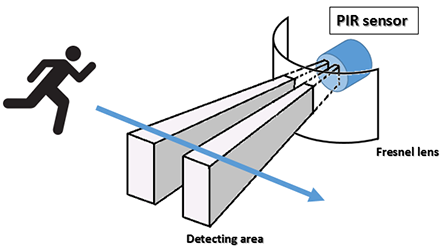
- PIR Sensor: This is a sensor that works on the basis of Infrared radiation to detect motion typically from moving heat sources like humans or animals and switch ON/OFF lights when it senses movement.
Also Read: Understanding Solar LED Street Light Components: A Complete Guide
A passive infrared (PIR) sensor is a passive device; it does not emit any type of energy but detects sudden changes in the infrared spectrum. However, when an object of a different temperature passes in front of the sensor (like humans are slightly warmer than our surroundings), it activates to turn on light. Understanding these components and their roles can help you identify how to fix a PIR sensor solar light that isn’t working properly.
Common Problems with PIR Sensor Solar Lights
Even with high-quality products, PIR sensor solar lights can encounter issues. Some of the most common problems include:
- Solar Street Light Blackout: This occurs when the entire light fails to turn on which often happens due to power issues or sensor malfunctions.
- Solar Street Lamp Radar Induction Issues: Some manufacturers of solar lamps have developed a radar induction instead of the PIR sensor. Radar induction problems mean that the light fails to detect movement or turns on when not needed.
- LED Street Light Not Working: The LEDs can be faded as a result of all wiring faults, flawed connections or simply it offers undertaken that everyday life span.
- Solar Lights Stopping or Not Working:This one is the most usual of all making it near worthless, given that nobody wants to be actually around examining every component during a windstorm.
Understanding these common problems is the first step towards learning how to fix a PIR sensor solar light.
Diagnosing the Issue: Why is My Solar Light Not Working?
If you want to know, “Why are my solar lights stop working?” you’re not alone. Many people who use PIR sensor solar wall lights have the same worry. Have a look at some reasons for it:
- Brand New Solar Lights Not Working: And this is always a peeved moment when all your newly bought solar models have refused to work. The reason for this could be improper installation, inadequate initial charging or also a manufacturing fault.
- Solar Light Not Working Even with New Battery: Everything turns out well and it doesn’t work yet shows no white to represent charging. It could be due to bad solar panel, wiring or PIR sensor
- Solar Bulb Not Working: The difficulty could also be with the light bulb. Though you can expect LEDs to last a long time, the true case is that they too burn out or simply stop working due to poor manufacture by other means.
- Checking the Solar Panel and Battery: Confirm that the solar panel surface is clean, installed in an exposure with a maximum sunlight reception Anything like dust, dirt or even bird droppings will reduce its ability to work. Ensure the battery is properly mounted to make contact in all areas.
Carefully diagnosing the problem by checking each component can help you determine how to fix a PIR sensor solar light that isn’t functioning as it should.

Step-by-Step Guide on how to fix a PIR sensor solar light
Once you’ve diagnosed the issue, you can begin the repair process. Follow these steps that are recommended by professionals of DEL illuminations to learn how to fix a PIR sensor solar light:
- Preliminary Checks Before Repair: Examine the solar panel for dirt or debris that may obstruct sunlight. I’ve placed the solar light in a location that gets sunlight for most of the day. Test the battery for the correct location and free from corrosion or leaks. Also, verify that the PIR sensor is clean and not obstructed.
- How to Test the PIR Sensor Functionality: Test if your sensor is working by keeping it covered and then opening it with a heat source, e.g. palm of hand) Or you can use a multimeter to test electrical continuity between the sensor terminals.
- Troubleshooting Power Supply Issues: If your solar light is not working then it may be a power supply problem which can help you fix this issue and save some money. Inspect the wiring connections from solar panel to battery, then LED bulbs. Wires that are loose or corroded can stop the light from getting any power.
- Replacing the PIR Sensor:In case the PIR sensor is found to be defective, it can easily be replaced. In most cases this will mean you take apart the light, desolder and remove the on-analog sensor from a PCB circuit board already manufactured in thousands of units, and install your new digital sensors. Just make sure the new sensor is compatible with the light model.
By following these steps, you’ll understand how to fix a PIR sensor solar light and restore it to full functionality.
How to Fix Solar Light Not Working Due to Battery Issues
Battery problems are a leading cause of solar lights not working. Here’s how to address these issues:
- Identifying Battery Problems: If your solar light is not working then most probably the battery has heaps of responsibility over it. If your lighting system gives a less or faint amount and only for a short interval to glow in night means that you should definitely check out if its battery they are affecting thenceforward, After a while, even rechargeable batteries will not be able to hold the charge as well especially if they are left in extreme temperatures.
- How to Replace the Solar Light Battery: To replace your old unit with a new one is an easy task. Remove the battery compartment cover, which is usually underneath the light. Replace the dead battery with a new one of equal type and voltage. Watch for proper alignment of the battery with its positive and negative.
- Recharging Solar Light Battery Effectively: Once you replace the battery make sure your solar light is fully charged before testing it. Expose the solar light to direct sunlight for 8 hours at least. If the battery is new, and your solar panel is working well you will expect to see that light up when fully charged.
Also Read: How to Calculate The Size Of Solar Energy Street Light Batteries
Understanding how to fix a PIR sensor solar light with battery-related issues can often resolve problems where solar lights stop working or don’t work as expected.
Repairing a Solar Light with Sensor or Induction Problems
Sensor and induction issues can lead to solar lights not working properly. Here’s how to fix these problems:
- Understanding Radar Induction in Solar Lights: Some solar street lights use radar induction instead of a PIR sensor. Movement is detected using radar induction, which emits microwaves and measures them when reflected. This technology is a bit more robust compared to PIR, but if not calibrated properly could bring with it false alarms.
- Fixing Solar Lamp Radar Induction Issues: If your solar street lamp radar induction is malfunctioning, carefully clean on one side of the tip where you carry out most triggers with a reliable cloth. Check the proper connection of a sensor to the circuit. If cleaning doesn’t help, you may have to replace the sensor.
- Repairing the PIR Sensor for Accurate Motion Detection: If the PIR sensor isn’t triggering the light when it should, carefully clean on one side of the tip where you carry out most triggers with a reliable cloth. Check the proper connection of a sensor to the circuit. If cleaning doesn’t help, you may have to replace the sensor.
Understanding how to fix a PIR sensor solar light with sensor issues ensures your solar light responds correctly to motion and operates as intended.
Troubleshooting LED Street Light Not Working

LED failures are another common reason for solar lights not working. Here’s how to fix a PIR sensor solar light with LED issues:
- Identifying LED Street Light Issues: If your LED street light does not work, one of the first things to examine is whether the LEDs are burned out. This can occur if the light has been used for an ample number of years or when there is a sudden current surge through it. And remember to check the connections between the LEDs and power supply. The LEDS in question failing are also related with loose or corroded connections.
- How to Repair or Replace LED Components: If you have gone out LEDs after that they need changing. So, that means cracking the light fixture open and taking the old LED bulbs away for replacement. Make sure the new LEDs you are replacing with will work on the current circuit. If the connections are good, clean and tight then you may have a problem with wiring. carefully reattach or replace as required.
Maintenance Tips for Long-Lasting PIR Sensor Solar Lights
Preventive maintenance is key to avoiding issues where solar lights stop working. Here are some tips on how to fix a PIR sensor solar light and keep it functioning:
- Regular Cleaning and Inspection: The solar panel and sensor can collect dust, dirt debris interfering with their ability to work properly. You should clean the solar panel with a damp cloth and on top of that, check periodically to make sure nothing is covering up part or all of the sensor.
- Ensuring Proper Placement and Angle:You are advised to have your solar light at a strategic location where it can be accessed with enough sunlight from the sun during daylight period if you want it to last for best result. The PIR sensor must be set to provide the coverage of your intended motion.
- How to Protect Solar Lights from Environmental Damage: Extreme weather conditions can cause solar lights to be damaged. During storms or particularly harsh winter conditions, you may want to protect the lights with some covers intended for light.
Using these maintenance tips, you can keep your PIR sensor solar lights lasting longer and also avoid the question of how to fix a PIR sensor solar light repeatedly.
When to Replace Parts in a Solar Light
Sometimes, repairing a solar light isn’t enough, and parts need to be replaced. Here’s how to determine when replacement is necessary and how to fix a PIR sensor solar light:
- Signs You Need to Replace the PIR Sensor: Many times, if the PIR sensor is not detecting motion in a timely manner or you are seeing erratic triggers of light, it may be time to swap out that old one for a new one. If there is a faulty sensor, solar security lights can behave just like other types of light and lose their main advantage.
- When to Replace the Solar Panel: The solar panel will usually last for quite a few years before it needs to be replaced, but if you are leaving it in harsh conditions, then check it over time during regular use. If the panel gets cracked or is not producing as much power, go for replacement.
- Recognizing When the Battery Needs Replacement: The lifespan of a battery is 1-2 years depending on the quality and what kind being used, as well as its exposure environment. If your solar light is not working fine, the component that probably needs to be replaced is one of those batteries.
Knowing when to replace components ensures your solar lights continue to function efficiently, and you’ll be well-versed in how to fix a PIR sensor solar light.
Upgrading Your Solar Light for Better Performance
Upgrading certain components can enhance the performance and lifespan of your PIR sensor solar lights. Here’s how to fix a PIR sensor solar light by upgrading:
- Benefits of Upgrading Components: One of the most important benefits you can see in your solar light is upgrading to more efficient components, like higher capacity batteries or better PIR sensors, etc., which could give you enhanced performance. Upgraded components get you better motion detection, longer duration lighting and improved reliability.
- How to Choose a High-Quality PIR Sensor: If you are about to choose for the new PIR sensor then see which one has wide-detection range and sensitivity settings. This gives you the ability to tune how and when your sensor operates.
- Selecting a More Efficient Battery or Solar Panel: By upgrading to a higher-capacity battery, you can increase the length of time that your solar light illuminates overnight and with greater efficiency ratings from any new panel, too.
Upgrading components is an excellent way to improve the overall performance of your solar lights and master how to fix a PIR sensor solar light with advanced solutions.
Understanding Warranty and Manufacturer Support
Before attempting repairs, it’s important to understand the warranty and support options available to you, especially when considering how to fix a PIR sensor solar light
- Checking the Warranty on Solar Lights: Most solar lights have warranties from the manufacturers that cover defective and malfunctioning lights. Prior to carrying out any DIY fixes, remember if your light is up for warranty.
- When to Utilize Professional Repair Services: Complex problems that are over your depth or you lack necessary tools, then professional repair services could be a good alternative. All The Specialists That You Need To Make Sure Your Repair Done Right And Fully.
Manufacturer support can be an invaluable resource when dealing with issues like solar lights not working, and they can guide you on how to fix a PIR sensor solar light if needed.
Conclusion
Implementing a systematic repair protocol for your solar assets reduces long-term operational costs and ensures site compliance. Understanding the root causes of sensor failure allows your maintenance teams to extend the lifecycle of existing infrastructure rather than prematurely depleting procurement funds on replacements.
Ultimately, the reliability of a lighting system is determined by the quality of its initial engineering. DEL Illumination prioritizes high-grade components and accessible circuit designs in every unit we manufacture, drastically reducing the frequency of field failures and simplifying the maintenance process for project coordinators.
Contact our technical team today to discuss your project requirements.
FAQs
How can I test if my PIR sensor is working properly?
If you want to test whether your PIR sensor is working or not, put your hand on it after more than 30 seconds, cover and uncover so that the light can be turned on. If you have a multimeter, you can also test for electrical continuity between the sensor terminals. If the light does not come on, then it is possible that your sensor could be bad and need replacing.
What should I do if my solar light stops working suddenly?
The first step to troubleshoot why your solar light suddenly stopped working is checking the battery and connections. Keep the solar panel clean and in optimum sunlight to receive it. Clean the PIR sensor for any dust, and check if it is working properly. If these do not help solve the problem, it might be in the wiring or even with the solar panel.
How do I fix a PIR sensor solar light that has sensor or induction issues?
If you feel that the PIR sensor or radar induction is not working properly, you should first confirm whether there are objects around it to receive detection information. Use some soft cloth to clean the sensor lens and verify if it is properly plugged into the circuit. If your sensor still does not function properly you may need a new one and they vary depending on the model of your solar light so check with those specs when ordering.
What are the most common reasons for solar lights not working?
Photocell is one most common factor for the failure of solar lights, there are some other reasons that might cause a Solar Light to stop working. A diagnostic scan literally goes through each of these components to determine the problem.
When should I consider replacing parts in my PIR sensor solar light?
In the case where the sensor is failing to sense motion or may even detect motion no more, if the battery will not charge again, as well as solar panel damage that makes it low power generated. One of the advantages of regular maintenance is that it makes you aware when parts are beginning to wear out and need replacement.
Why does my solar light stay on continuously even when there is no motion?
This typically indicates a latching failure where the PIR sensor is stuck in the closed circuit position, or the sensitivity is set too high. It can be caused by the sensor detecting constant heat interference (such as HVAC exhausts or reflective surfaces).
Can I bypass the PIR sensor to verify if the LED module is working?
Yes, bypassing is a standard diagnostic method. By disconnecting the PIR sensor and temporarily bridging (shorting) the sensor input terminals, you can complete the circuit manually.
How does temperature affect PIR sensor performance on-site?
PIR sensors operate by detecting differential heat (infrared radiation) between a moving object and the background. In extreme heat (above 30°C/86°F), the temperature difference between a human body and the air decreases, potentially reducing the detection range. Conversely, in colder climates, the sensor may become more sensitive.