
Have you considered a solar street light with an inbuilt lithium battery for your next project? These systems harness the sun’s energy to provide reliable illumination without relying on grid power, and they have become one of the most practical lighting solutions for public spaces, pathways, and roads. One of the most important parts of any solar street light is the battery, and lithium ion cells offer real advantages over the older chemistries still common in cheaper fixtures. If
you want a fully engineered option built around this battery type from the start, the All in One Solar Street Light is worth a look before you compare separate components. Let’s walk through the features, benefits, and buying factors that matter most.
What is a solar street light with inbuilt lithium battery?
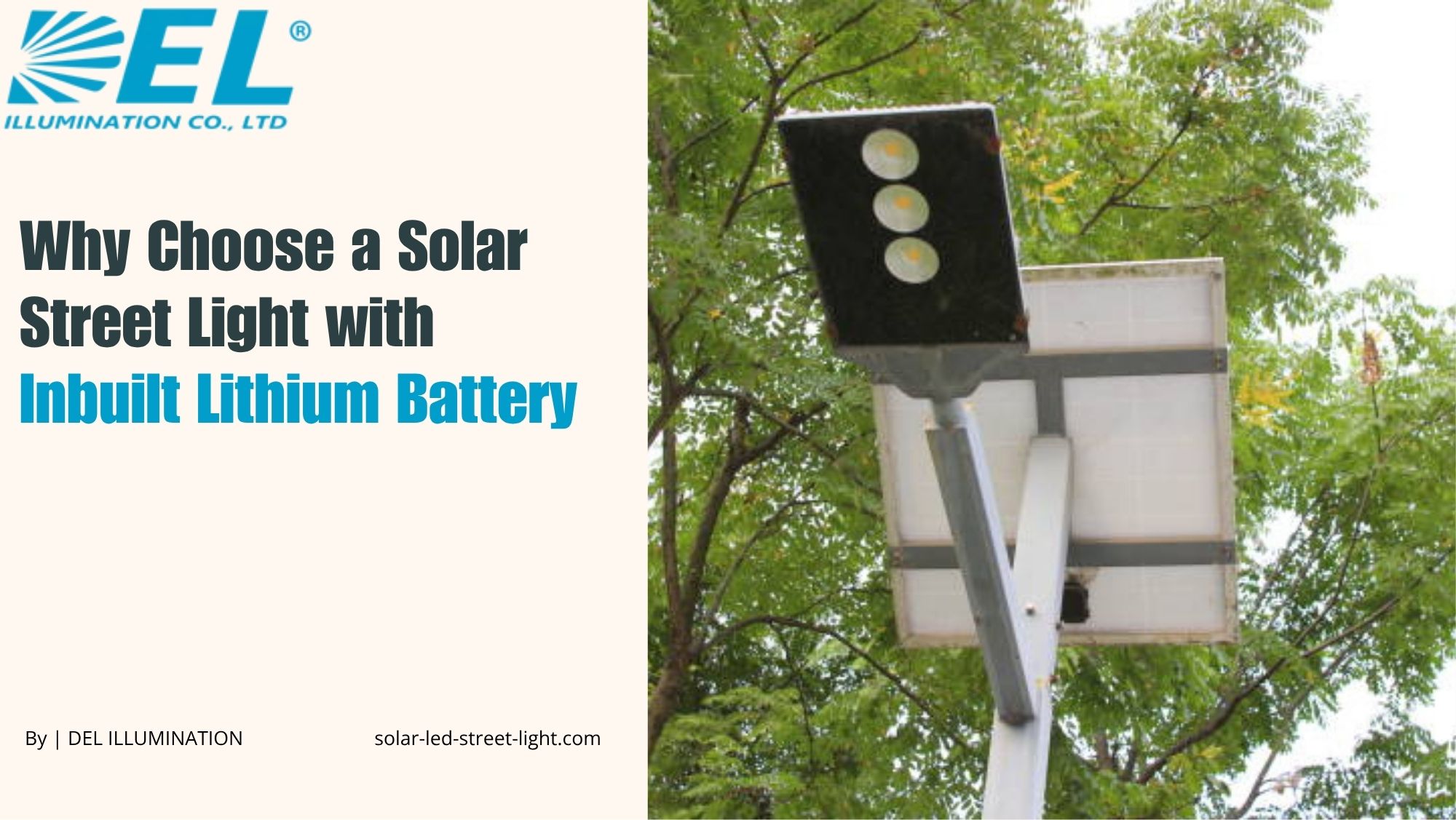
A solar street light with an inbuilt lithium battery uses solar panels to convert sunlight into electricity and store it in a built in lithium ion cell. These lights operate automatically and need no external power source or wiring. When sunlight reaches the panels, they absorb the energy and convert it into electrical energy, which is stored inside the pole. As the sun sets, the fixture draws on that stored energy to power the LED, providing light through the night without any manual switching.
Advantages of a lithium battery street light
Higher energy density
A lithium battery packs a large amount of energy into a relatively small size thanks to its higher energy density compared with older battery chemistries. This means a solar street light built around one can keep delivering bright, efficient lighting for extended periods, even through cloudy or rainy stretches of weather.
Longer lifespan
Lithium cells combine high energy density with a long cycle life, so they tend to outlast traditional batteries by a wide margin. They also hold their charge longer thanks to a lower self discharge rate. Unlike lead acid batteries, lithium cells are far less prone to sulfation, the process that gradually eats into a battery’s capacity when it is not charged fully, so a lithium powered fixture keeps more of its original capacity and performance over time.
Faster charging
Lithium batteries charge more efficiently than most alternatives, and a well designed solar street light takes advantage of this by positioning the panel to capture the maximum available sunlight each day. A battery management system then charges the cell at the most efficient rate while protecting it from overcharging and over discharging, which keeps the whole system running smoothly with minimal intervention.
Lower maintenance
A solar street light with an inbuilt lithium battery needs less upkeep than older designs, since there is no watering or other routine servicing required. Because lithium cells last longer than traditional batteries, they also need replacing far less often, which cuts the ongoing maintenance burden for whoever manages the fixtures over time.
Environmentally friendly
Every solar street light of this type produces zero emissions once installed, since it runs entirely on energy captured from the sun rather than the grid. That makes it a genuinely low impact lighting option, since the lithium battery stores what the panel collects during the day and releases it through the LED at night, drawing essentially no conventional electricity at all.
Better performance in extreme temperatures
Thanks to their high energy density, lithium batteries can store more usable energy than older chemistries and keep a solar street light performing consistently even when temperatures drop. The panels themselves are typically built from materials that hold up in extreme heat or cold, so the whole system keeps absorbing sunlight and converting it into stored energy across a wide climate range.
Factors to consider when choosing one
Battery capacity and life. Capacity determines how long the light can run on stored energy, while the battery’s rated life determines how long it lasts before it needs replacing. Match both to your project’s requirements before you commit.
Quality of solar panels and LEDs. Higher quality panels capture more sunlight and convert it more efficiently, which matters most on cloudy days. Higher quality LEDs produce brighter, clearer light, which is exactly what a road or pathway installation needs.
Design and durability. The fixture should be sturdy enough to withstand rain, snow, and strong wind, and its design should suit the look of the surrounding area rather than standing out for the wrong reasons.
Light output and brightness. Output should be strong enough to properly illuminate the area, and ideally adjustable so you can tune it to the specific site rather than settling for a single fixed setting.
Motion sensors and smart controls. Motion sensors help conserve stored energy by dimming or switching off when no movement is detected, and remote smart controls let you manage the lights without physically visiting each pole.
For a side by side look at a fully matched alternative, our All in Two Solar Street Light range pairs the same lithium battery approach with a two piece design that some sites prefer for pole access and servicing.
If you are still weighing your options at this stage, our contact page is a good next step, since our team can help match a battery specification to your project before you order.
Tips to maintain a lithium battery solar street light
- Clean the solar panel, battery housing, and light fixture regularly to keep efficiency high.
- Avoid deep discharge cycles by charging to roughly 80 percent and discharging to around 20 percent rather than running the battery to its limits.
- Inspect the panel periodically for cracks, scratches, or other surface damage.
- Check the light fixture regularly, especially the LED, and replace damaged parts promptly.
- Keep the firmware controlling charge and discharge cycles up to date to avoid system faults.
Conclusion
Lithium batteries have changed what buyers should expect from a solar street light, offering a highly efficient and dependable power source with minimal upkeep. Given how much demand has grown for durable, low maintenance outdoor lighting, a solar street light with an inbuilt lithium battery is a strong choice for most public and commercial projects today. According to the International Energy Agency, battery storage technology is one of the fastest growing parts of the global solar sector, which is exactly the trend this kind of fixture is built to take advantage of.
Frequently asked questions
Why is lithium preferred over lead acid in a solar street light?
Lithium batteries offer higher energy density, a longer cycle life, and better resistance to the sulfation that degrades lead acid batteries over time. They also charge faster and need less maintenance.
How long does a lithium battery in a street light typically last?
Lithium cells generally outlast lead acid batteries by a significant margin, often lasting five years or more depending on usage and climate, which reduces how often the battery needs replacing.
Do lithium battery lights still work well in winter or extreme heat?
Yes. Lithium chemistry generally performs more consistently across a wide temperature range than older battery types, and quality panels are built to keep absorbing sunlight in extreme conditions.
How often should the battery be charged and discharged?
Avoid running the battery to full depletion. Keeping charge cycles roughly between 20 and 80 percent helps preserve capacity and extends the overall lifespan of the cell.
What maintenance does a lithium battery solar street light need?
Routine upkeep is minimal: periodic cleaning of the panel and fixture, occasional inspection for physical damage, and keeping the battery management firmware current.