
Updated on 26th December 2025
Outdoor solar lights are meant to be ‘set up once and forget’, so it can be frustrating when they suddenly get dim. This is one of the most common issues people face after a few months of use.
According to research, the PV system in a solar lighting setup has about a 10% chance of failure within the first 10 years. But here is the secret most manufacturers don’t tell you: the light fixture itself is rarely the problem.
In most cases, your broken lights are perfectly fine; they are just suffering from a few hidden maintenance issues.
In this comprehensive guide by DEL, we will explore the most common reasons why your outdoor solar lights are not working, how to troubleshoot and fix them, and what you can do to prevent future problems.
1. How Do Outdoor Solar Lights Work?
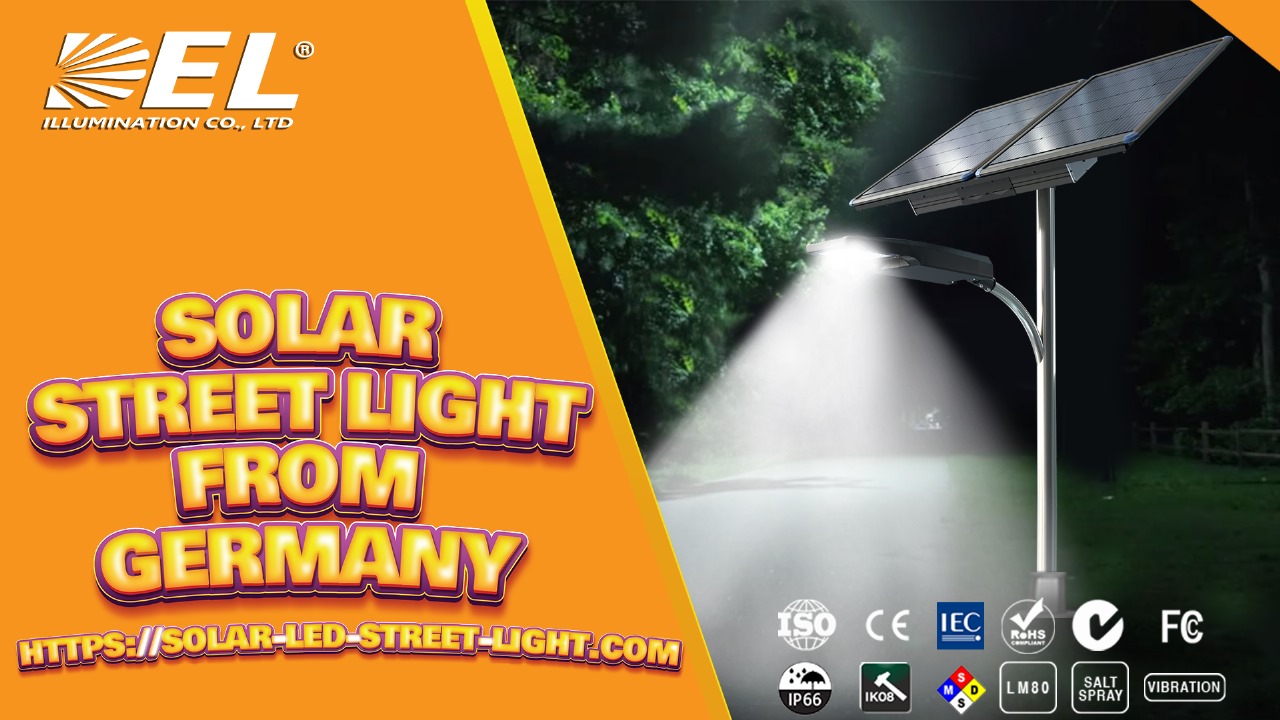
Before we dive into fixing the problem, it helps to understand exactly what is happening inside the casing. You don’t need to be an engineer to figure this out!
If you are wondering, “Why are my outdoor solar lights not working?”, the answer usually lies in one of these four simple steps. Here is the journey from sunlight to starlight:
- Step 1: The Catch (Solar Panel): During the day, the dark panel on top of your fixture acts like a net. It captures energy directly from the sun and converts that sunlight into electricity.
- Step 2: The Storage (The Battery): This is the most critical part. The electricity generated isn’t used immediately; it is sent to rechargeable batteries stored inside the light.
- Step 3: The Brain (The Sensor) Your outdoor solar lights are created a small sensor (often built into the solar panel) that detects light levels. As the sun goes down and the voltage drops, this sensor acts like a switch to turn it on:
- Step 4: The Glow (The LED): Once the sensor flips that switch, the energy stored in the battery is released to power the LED bulb, giving you that beautiful glow.

2. Common Reasons Why Outdoor Solar Lights Not Working
In the cases of outdoor solar lights not working, most of the time you can point to one of these problems. They will also help you understand what is happening and how to solve the problem.
2.1 Insufficient Sunlight Exposure
Outstanding reason that causes outdoor solar lights not working is they aren’t getting enough light. Solar lights cannot fully charge their batteries under each category and you need to provide them direct sunlight for several hours a day. But if your lights are sitting in shaded areas (under trees), or behind structures, then the lights won’t be able to acquire enough energy in the day to power the light through the night.
How to Identify This Issue:
- The lights turn on briefly after sunset but quickly lose power.
- The lights don’t turn on at all, especially after cloudy days.
Solution:
If your solar powered outdoor lights do not function correctly, move your solar powered outdoor lights to a location with more direct sunlight. The panels can perform at their best when it gets at least 6 to 8 hours of sunlight a day.
2.2 Dirty or Blocked Solar Panels
The sunlight from the solar panel can be blocked by dirt, dust, pollen, and even bird droppings. It is because this reduces its ability to gather energy and charge the battery. If the solar LED lights outdoors aren’t cleaned regularly over time the efficiency of the panels can decrease.
How to Identify This Issue:
- The solar panels appear dirty or covered with debris.
- The lights don’t seem to charge fully, even in sunny locations.
Solution:
Dampening a clean cloth, clean the solar panels to remove dirt or debris. Cleaning your outdoor solar lights regularly, especially during the seasons when you will find pollen or dust, and the charge will ensure that your lights continue to charge efficiently.
2.3 Battery Issues
Solar powered outdoor lights need to store energy, and rechargeable batteries in solar powered outdoor lights are important for this. But over time, these batteries can begin to degrade, corrode, or stop charging at all. The batteries usually last 1 – 2 years, after which they may need to be changed.
How to Identify This Issue:
- The lights either don’t turn on at all or are very dim.
- The batteries appear swollen, corroded, or leaking when you inspect them.
Solution:
Change the batteries with new rechargeable batteries that work with your solar lights. Make sure to get the proper type and size of battery for the job, noted the manufacturer.
2.4 Faulty Wiring
Another reason outdoor solar lights not working is fault wiring. Wires may also become damaged over time because of being exposed to weather elements, or because they might be loose or disconnected. It breaks the electrical flow from the solar panel to the battery, and the light fixture.
How to Identify This Issue:
- The light flickers or turns off unexpectedly.
- The lights don’t respond even after checking the battery and panel.
Solution:
Wiggle the wiring inside the light fixture. If the wiring doesn’t look straight and neat, then you will have to fix or replace the wiring. In case of nonrepairable wiring issues, though, replacing the whole solar light might prove to be a cheaper option.
2.5 Light Sensor Problems
Outdoor solar lights have a sensor about ambient light levels and turn on at dusk. If that sensor is defective or grubby, you might not get lights as expected. Other causes of the lights staying off or not working include a malfunctioning sensor. Other than that it might be a PIR sensor that can be having problems.
How to Identify This Issue:
- The lights don’t turn on even though the battery is charged.
- The lights stay on during the day or turn on too early.
Solution:
Make sure to clean the sensor with dust and debris. If this cleaning does not repair of the sensor solar led lights outdoor not working it has most likely been damaged and will need to be replaced. In some models, you may be able to replace the sensor, but in others it’s easier to just sell the sensor and buy a new one.
2.6 Age and Wear
Solar LED lights outdoors are made of outdoor equipment just like any other equipment and they degrade with time with exposure to the elements. Solar panels don’t work as efficiently, batteries degrade and internal parts can corrode. These factors combined over some amount of time may fail.
How to Identify This Issue:
- The lights don’t perform well, even after cleaning and battery replacement.
- The lights have been in use for 3-5 years or more.
Solution:
If your outdoor solar lights not working and are old, it might be time to replace them. If they’ve already lasted several years, getting a new set of solar-powered outdoor lights could be more cost-effective than trying to repair the worn-out components.
3. How to Troubleshoot Outdoor Solar Lights
Now that you’ve read what some of the most common failure reasons are, it’s time to find out how to troubleshoot solar lights externally and find out why are my outdoor solar lights not working.
3.1 Check the Position of Solar Panels
To ensure that solar panels get direct sunlight for most of the day. Keeping your solar lights under a tree, close to a tall structure, or in an area with a lot of shade will keep them from charging properly.
- Solution: Take the lights to a place that is getting more sunlight. The good thing is you can test other spots to see where the lights work best. Don’t put them next to other artificial light sources either, as they may upset the light sensor.
3.2 Clean Solar Panels Regularly
Solar panels can be very efficient unless dirt and debris build up on them which can reduce their efficiency up to 30 percent. when my outdoor solar lights are not working so Cleaning the panels regularly helps them work at their full capacity.
- Solution: Dirt, dust, debris from the pane can easily be wiped off with a soft, damp cloth. For more details, check out our blog on how to clean solar road lamp.
3.3 Test or Replace Batteries
If the neat solar LED lights outdoors are not functioning after a full day of sunlight then definitely the problem would be with the battery. Typically rechargeable batteries lose their ability to hold a charge after 1-2 years.
- Solution: Take your Silhouette cutter out, open the compartment that holds the battery and check the batteries for corrosion or leakage. Always use new rechargeable batteries that are compatible with your lights, but replace old ones! If replacing the batteries makes the problem go away, then likely, the old batteries were the problem.
3.4 Inspect the Light’s Sensors
If the lights aren’t coming on at dusk, the sensor may be blind or broken. Sensors can become dirty over time preventing them from reading the change in light levels.
- Solution: Use a soft cloth and make sure that the dirt or debris is not blocking the sensor. If cleaning doesn’t help, the sensor may possibly be faulty and might need to be replaced.
3.5 Examine the Wiring
Sometimes you can’t even see the wiring issues, but they can be huge problems. If the lights still don’t work after cleaning the panels and changing batteries, you may have damaged wiring.
- Solution: Take the light casing off and closely examine the wiring for any frays, loose connection or damage. If you’re comfortable with making basic electrical repairs yourself, you might try fixing the wiring yourself. If so, it may be better to just replace the lights. so it may address your question of my outdoor solar lights are not working
4. Preventive Measures to Ensure Outdoor Solar Lights Last Longe
It is important that you care for your outdoor lights so that you do not cause any of the issues that might occur in future and so your lifespan can last longer. Some best practices are displayed below.
4.1 Regular Maintenance and Cleaning
to address your question of my outdoor solar lights are not working Dust, debris and grime can decrease the efficiency of your solar panels. Regularity in cleaning will help them soak up as much sunlight as they can.
- Action Plan: At least once a month, clean the solar panels and sensors with a soft, damp cloth. You might find yourself cleaning more often in more dusty or pollen areas.
4.2 Replacing Batteries Periodically
Rechargeable batteries lose charge over time and will eventually have to be replaced. If you want the solar lights to remain functional, make sure and keep the fresh batteries.
- Action Plan: The batteries should be replaced every 1 to 2 years (depending on manufacturer recommendations, and how often they’re used). You can lift your lights for a long period if you use a high quality solar lighting battery.
4.3 Adjust Solar Light Placement by Season
Solar light energy is a function of the seasons: the angle and intensity of sunlight they receive change through different seasons.
- Action Plan: When the days are shorter — during the winter months — you may want to change the position of the solar panels to expose them more to sunlight. Find places that the lights get the most sunlight during the day.
4.4 Storing Lights During Harsh Weather
All outdoor solar lights can be damaged with harsh weather conditions including extreme cold, strong storms, strong winds, severe winds, rain and snow. In areas with deadly winter, leaving your solar lights uncovered over winter or in the ground may be unwise.
- Action Plan: The solar lights should be dried and cleaned before the first frost, and stored in a dry place until the weather warms once more.
5. Repair or Replace: What’s More Cost-Effective?
Faced with broken solar lights, you may find yourself wondering whether it’s worthwhile to fix your light or get rid of them altogether. Here’s how to decide:
When to Repair:
- But in many cases, repairing the lights may be as simple as a quick fix: cleaning the panels, replacing the batteries or a sensor.
- Sometimes the problem can be fixed by changing the wiring. But that depends on the difficulty of the problem and how familiar you are with it.
When to Replace:
- If the lights are several years old, and if there are many problems with them, then it may be cheaper to replace them outright.
- For example, it may be more practical to replace a unit, rather than each lamp, if the lights are cheaper or if the components are no longer inexpensive to acquire.
7. Conclusion
There is a special kind of satisfaction that comes from fixing something yourself. Instead of staring at a dark garden wondering why your outdoor solar lights are not working, you now have the toolkit to get them glowing again.
However, if you have tried every trick in this guide and the lights still refuse to shine, it might be time to retire them and upgrade to a set designed for longevity. At DEL Illumination, we believe outdoor solar lights should be built to weather the storm, season after season. That’s why we prioritize durable materials and high-efficiency panels. Browse our premium collection now!
Frequently Asked Questions (FAQs)
Q1: Why are my outdoor solar lights not turning on at night?
A: To start with, get your solar light positioned somewhere where natural sunlight lets them receive at least 6-8 hours of direct sunlight a day. Moreover, clean the solar panels and remove any dirt, debris blocking sunlight. If this doesn’t work the lights will still not turn on, check the batteries and if necessary replace them.
Q2: How long do outdoor solar lights last?
A: For your question of why are my outdoor solar lights not working most solar powered outdoor lights, they generally last from 2 to 5 years, depending on the quality of the lights and how well they’re taken care of. On the other hand, the solar panels and LEDs within the lights should last for longer, however the batteries inside the lights generally need replacing around every 1-2 years. Keeping the panels clean and replacing the batteries can add years on to the life of the lights.
Q3: Why do my solar lights only stay on for a short period?
A: This usually means that the batteries are not fully charged during the day solar led lights outdoor not working. If the solar panels are not receiving enough sunlight for Make sure the lights pointed in the sun and clean the panels on a monthly basis. If the problem persists you might want to replace the rechargeable batteries because they may have lost their reading power.
Q4: Can I replace the batteries in my solar lights?
A: Most solar powered outdoor lights are batteries that recharge and are replaceable. If they won’t fix it, then to replace them, open the battery compartment (usually under the solar panel), and replace the old batteries with new ones. Use the same sort of rechargeable batteries as the manufacturer recommends in order to optimize performance. Ni-MH (Nickel Metal Hydride) or (Nickel Cadmium) Ni-Cd batteries are popular types of the batteries.
Q5: What should I do if my solar lights stay on during the day?
A: This is because if your solar outdoor lights stay on during daylight, then this suggests the solar light sensor is acting up. It’s the sensor that makes sure the lights only come on when it’s dark, detecting if light levels are getting too high. Clean sensor if it’s blocked by dirt or debris. The sensor may need to be replaced if the issue continues after you have cleaned it. Replacing the whole light could end up being more cost effective, however, if the unit is.
Q6: Can extreme weather damage solar lights?
A: Of course, while solar led lights outdoor not working solar LED lights outdoors can also be damaged by extreme weather; namely freezing temperatures and storms. Batteries will perform worse during cold weather. A heavy rain or snow can also hurt wiring and internal components. But before storing your solar lights in winter, it’s a good idea to store them indoors, or use weather resistant models that can handle harsh climates.
Q7: Why are my solar lights flickering or blinking?
A: Unless you bought a specific candle effect light, flickering is usually an issue that needs prompt attention. It often means the rechargeable batteries are loose or dying. Open the battery compartment and roll the batteries slightly to ensure they are touching the metal contacts properly. If the contacts are dirty or rusty, wipe them clean. If the flickering continues, your battery may be too weak to hold a steady current and needs replacing.
Q8: I see water droplets inside the light cover. Is that bad?
A: Yes, moisture is the enemy of electronics. Even though most outdoor solar lights are water-resistant, seals can crack over time. If water gets inside, it can rust the internal wiring and the rechargeable batteries. If you see condensation, bring the light inside, open it up, and let it dry out completely. You can also apply a clear sealant (like clear nail polish or silicone) around the edges to stop it from happening again.
Q9: Do outdoor solar lights work in winter or on cloudy days?
A: Yes, they do work, but you might notice a drop in performance. Since outdoor solar lights rely on direct sun to charge, heavy clouds or short winter days mean the rechargeable batteries won’t get a full tank of energy. This often results in the lights running out of power earlier in the night. To help them out, clear any snow off the panels and try to reposition them to catch the limited winter sun.