
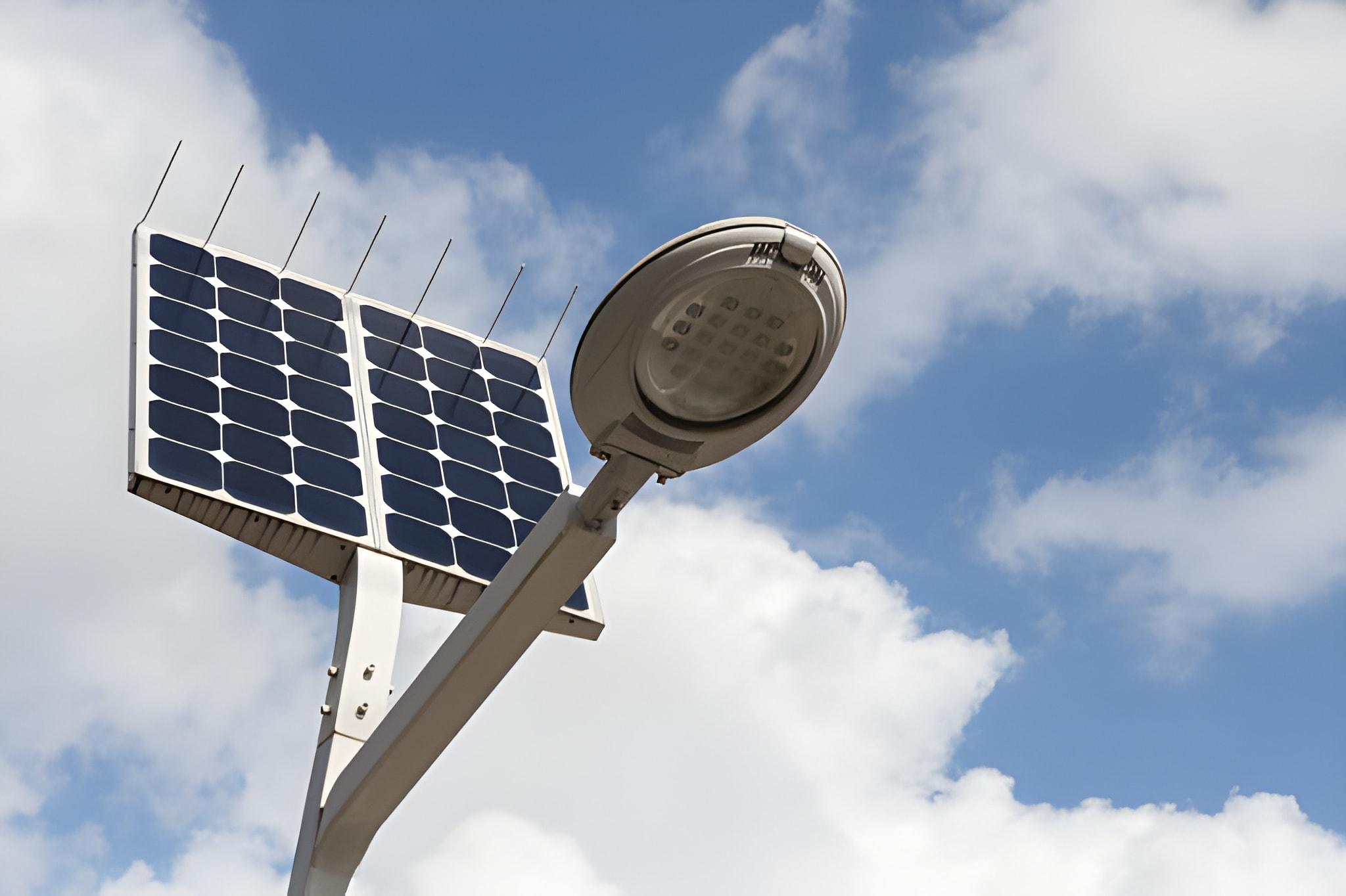
Outdoor lighting has changed a lot over the years. Today, solar LED street lights are one of the best ways to light up streets, parks, and outdoor spaces. They use clean solar energy instead of electricity from the grid. This makes them energy-efficient, cost-effective, and environmentally friendly.
What Makes Solar LED Street Lights Different from Conventional Lighting
Traditional street lights depend on grid power and need underground wiring. In contrast, solar LED street lights run on solar panels that collect energy from sunlight during the day and store it in batteries. They automatically light up at night and turn off in the morning. This means no electricity bills and no messy cabling.
Key Benefits: Energy Savings, Sustainability, and Long Lifespan
- Energy Savings: Solar lights use free sunlight, reducing energy bills to zero.
- Sustainability: They reduce carbon emissions and dependence on fossil fuels.
- Long Lifespan: With LED lamps and durable batteries, they can last for years with minimal maintenance.
Overview of Applications
Solar LED street lights can be used in many places:
- Residential streets and housing societies
- Public parks and gardens
- Highways and main roads
- School and college campuses
- Industrial areas, resorts, and parking lots
Understanding How Solar LED Street Lights Work
A solar LED street light has several main parts — a solar panel, LED lamp, battery, controller, pole, and sensor.
- Solar Panel: Captures sunlight and converts it into electricity.
- Battery: Stores energy to power the light during the night.
- LED Lamp: Provides bright, energy-efficient illumination.
- Controller: Regulates charging and discharging of the battery.
- Sensors: Control the light automatically (on at dusk, off at dawn).
How Solar Energy is Converted and Stored
During the day, the solar panel absorbs sunlight and converts it into electrical energy. This energy is stored in the battery. When it gets dark, the controller switches on the LED lamp, using the stored energy to light the area.
DEL ILLUMINATION CO. LTD. designs its solar LED street lights with advanced energy conversion technology to ensure maximum efficiency and reliable nighttime performance.
Importance of Integrated vs. All-in-One Systems
- All-in-One Systems: Combine the panel, battery, and LED light into one compact unit. They are easy to install and ideal for small or medium projects.
- Integrated Systems: Have separate components and allow customization. They are more flexible for large or commercial projects.
Key Factors to Consider Before Buying a Solar LED Street Light
Choosing the right solar LED street light depends on several important factors.
1. Lighting Requirement and Area Coverage
First, determine how bright you want your lighting to be. This depends on the wattage and lumens.
- For small lanes, 20W–30W is enough.
- For large roads or parking areas, choose 60W–120W lights.
You can also plan the distance between poles for even light coverage.
2. Solar Panel Capacity and Efficiency
The performance of your light depends on the solar panel quality.
- Monocrystalline Panels: More efficient and last longer.
- Polycrystalline Panels: Cheaper but slightly less efficient.
Make sure the panel wattage is enough for your location’s sunlight levels.
4. Motion Sensor and Smart Control Features
Modern solar LED street lights come with motion sensors that adjust brightness when movement is detected. This helps save energy and extend battery life.
Some models also have smart controls or IoT features for remote monitoring.
5. Weather Resistance and IP Rating
Since these lights are used outdoors, they must handle different weather conditions.
- Look for an IP65 or IP67 rating — this means the light is protected from dust and rain.
- Choose corrosion-resistant materials for coastal or humid regions.
6. Mounting Height and Pole Quality
The height of the pole affects light coverage.
- For small lanes, 4–5 meters is suitable.
- For highways or large areas, use 7–9 meters poles.
Galvanized steel poles are stronger, while aluminum poles are lighter and rust-resistant.
7. Warranty, Certification, and Brand Reliability
Check for certifications like BIS, MNRE, and ISO. These ensure quality, safety, and performance. A good warranty (minimum 2–3 years) shows that the manufacturer stands by their product.
Comparing Different Types of Solar LED Street Lights
There are three main types of solar street lights to choose from:
All-in-One Solar Street Lights
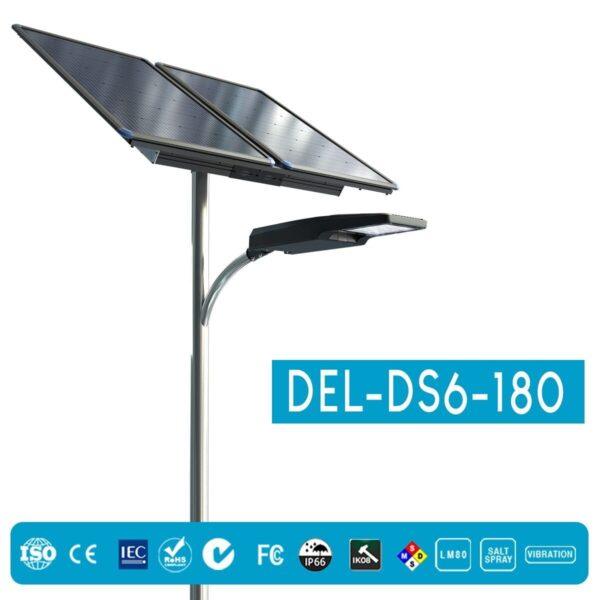
All components — solar panel, LED, and battery — are built into one compact unit.
- Pros: Easy to install, stylish design, low maintenance.
- Cons: Less flexible in adjusting panel direction.
Split Solar Street Lights
In this type, the panel and light are separate.
- Pros: Panel can face the sun directly, more efficient in low sunlight.
- Cons: Installation is slightly more complex.
Hybrid Solar Street Lights
These lights use both solar power and grid electricity.
- Ideal for areas with limited sunlight.
- Provide continuous lighting even on cloudy days.
Cost Considerations — Price vs. Long-Term Value
Many people focus only on the initial price, but it’s better to look at long-term value.
Initial Investment vs. Lifetime Savings
Solar LED street lights may cost more at first, but they save you money in the long run by eliminating electricity bills.
How Maintenance-Free Operation Offsets Higher Cost
Once installed, solar lights require minimal maintenance. Regular cleaning and occasional battery checks are usually enough.
ROI Estimation and Payback Period
Most users recover their investment within 2–4 years through savings on energy and maintenance. After that, the light continues to operate almost for free.
Installation and Maintenance Checklist
Proper installation ensures better performance and longer lifespan.
Pre-Installation Site Assessment
- Identify areas with maximum sunlight.
- Avoid shade from trees or buildings.
Step-by-Step Installation Overview
- Fix the pole in a strong foundation.
- Mount the light and solar panel securely.
- Adjust the panel’s tilt for maximum sunlight.
- Connect wiring and check the controller.
Routine Maintenance Schedule
- Clean the solar panels every few weeks.
- Check for loose connections or dust buildup.
- Replace batteries when backup time reduces.
Common Mistakes to Avoid When Buying Solar Street Lights
- Overlooking Lumens vs. Wattage: More watts do not always mean more brightness.
- Choosing the Wrong Battery: A weak battery reduces backup time.
- Ignoring IP Rating: Low IP lights can fail in rain or dust.
- Not Checking Pole Compatibility: Wrong height affects illumination spread.
Best Use Cases and Industry Applications
Solar LED street lights are suitable for a wide range of environments:
- Municipal Projects: Ideal for rural roads and smart city programs.
- Housing Societies: Safe and sustainable lighting for internal roads.
- Parking Lots & Campuses: Cost-effective for large outdoor areas.
- Resorts & Industrial Estates: Perfect for off-grid or remote areas.
Conclusion — Making an Informed Solar Lighting Decision
Choosing the right solar LED street light is an investment in the future.
Remember to consider wattage, panel type, battery capacity, and IP rating before buying. Always go for trusted brands that provide certified products and strong warranties.
Solar LED street lights not only save money but also protect the environment. With proper planning, you can enjoy reliable, long-lasting, and maintenance-free outdoor lighting for years to come.Ready to make the switch to sustainable lighting? Contact DEL ILLUMINATION CO. LTD. today to get expert guidance, customized solutions, and a free quote for your solar LED street lighting needs.
Frequently Asked Questions (FAQ)
How do I choose the right wattage for a solar LED street light?
The wattage depends on your area size and brightness needs. For small lanes or pathways, 20W–30W is enough. For main roads or parking lots, go for 60W–120W lights.
How long does a solar street light battery last?
Good quality lithium or LiFePO4 batteries last between 3–5 years and offer 8–12 hours of backup lighting.
Can solar street lights work during cloudy or rainy days?
Yes. Most models have batteries that store power for 2–3 days. This ensures continuous operation even when sunlight is low.
Are all solar LED street lights waterproof?
Not all. Make sure the light has at least an IP65 rating to protect it from dust and rain.
What’s the difference between all-in-one and split-type solar street lights?
- All-in-One: Compact, easy to install, but less flexible.
- Split-Type: Panel and light are separate, better for low sunlight areas.
The wattage depends on your area size and brightness needs. For small lanes or pathways, 20W–30W is enough. For main roads or parking lots, go for 60W–120W lights.
Good quality lithium or LiFePO4 batteries last between 3–5 years and offer 8–12 hours of backup lighting.
Yes. Most models have batteries that store power for 2–3 days. This ensures continuous operation even when sunlight is low.
Not all. Make sure the light has at least an IP65 rating to protect it from dust and rain.
- All-in-One: Compact, easy to install, but less flexible.
- Split-Type: Panel and light are separate, better for low sunlight areas.