
A modern residential complex is well equipped, fully featured, and set in attractive surroundings, which is exactly what wins the favour of owners. Within all of this, light design plays a particularly important role. Lighting in a residential complex divides mainly into landscape lighting and road lighting, and getting the balance right shapes how safe and beautiful the community feels after dark.
This guide covers four core areas of residential light design, then looks at how aesthetics and safety complete the picture. Whether you are a developer planning a new estate or a management committee upgrading an existing one, these principles help you get lighting that residents genuinely enjoy while keeping running costs and maintenance under control.
How to Set Up Your Residential Light Design
1. Fixture and pole design
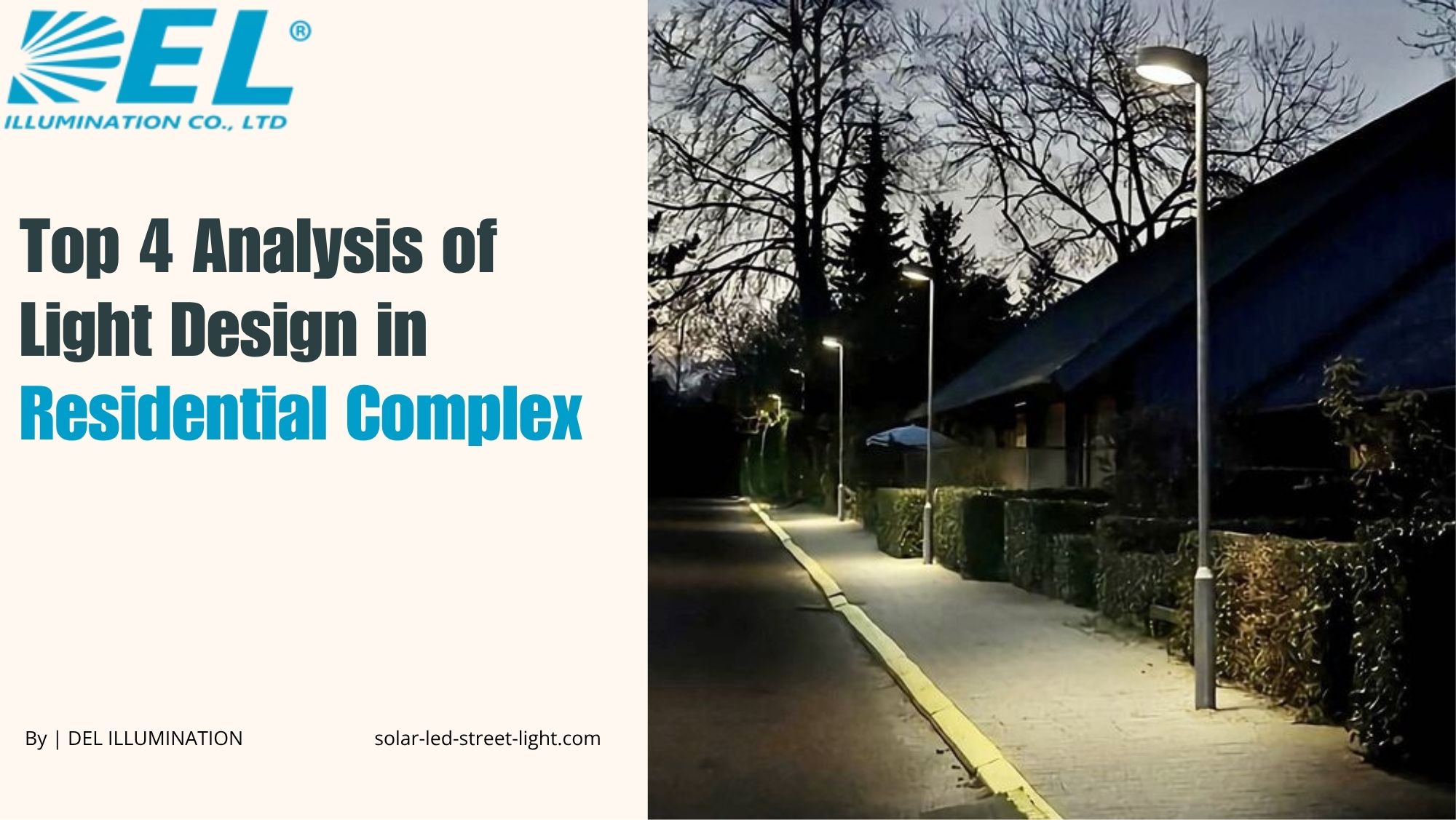
Roads in a residential complex are usually 3 to 5 metres wide and are generally lit with garden lights of 2.5 to 4 metres, which keeps maintenance manageable. To hold both brightness at night and elegance by day, the garden lamp must coordinate with the architectural style of the complex. A well matched fixture gives the scheme far more power to support the overall aesthetic of the site.
It is also important that the safety and protection features of each fixture are sound. Avoid installing arm mounted garden lights beside tall trees, keep the fittings clean, and choose a protection level no lower than IP33 so the fixtures hold up outdoors.
2. Choosing the light source
A residential complex is quiet and attractive, so it should not use harsh high pressure sodium lamps. A cool colour light source generally creates a calm feeling and avoids dazzling residents on the lower floors at night, which keeps the complex graceful. Matching colour temperature to mood is a key part of any good scheme.
3. Positioning the light
Residential lighting should avoid spilling into homes. Where there are no shields, street lights must sit a suitable distance from windows, stay moderate in brightness, and where possible face the opposite side of the road from the buildings. Lawn and garden lights suit the green spaces of the complex, and flood lights should be avoided because they cause light pollution for neighbours. Thoughtful positioning is what separates comfortable lighting from an intrusive glare.
4. Power distribution and control
For a small residential area, a lighting power distribution panel sits at the centre of the complex and feeds the surrounding fixtures through short branch runs. Larger complexes use more equipment and adopt multi point distribution, since a single supply point creates too much load. Multi point distribution reduces voltage drop, simplifies the pipe network, and makes future maintenance easier, all of which support a reliable installation. Solar fixtures simplify this stage even further, since each unit generates and stores its own power and needs no central distribution panel or buried cable at all, which removes much of the electrical complexity from the project. You can review efficient, low maintenance fixtures in our All In One solar street lights range.
The Importance of Aesthetics in Light Design
Lighting is not only functional; it plays a crucial role in the beauty of a residential complex.
Lighting as a design element
Light can be used creatively to highlight architectural features, adding depth and dimension to a building. Spotlights and up lights are popular ways to showcase mouldings, stonework, and textures, turning a plain façade into a visually striking living environment. Used this way, lighting becomes an active part of the architecture rather than an afterthought.
Building community and curb appeal
Effective lighting also builds a sense of community and lifts curb appeal. Well lit gardens, walkways, and courtyards encourage residents to spend time outdoors, meet one another, and feel they belong. Carefully placed landscape lighting can highlight the natural surroundings and create a calm, welcoming atmosphere.
Adding character and identity
Light design can give a residential complex a distinct character by aligning with an overall theme. Warm yellow tones evoke a cosy, traditional feel, while cool white tones create a modern, sophisticated mood. Chosen well, lighting helps create a memorable environment that residents are proud to call home.
Safety and Security in Light Design
Proper lighting is essential for promoting safety and security across a residential complex.
Enhancing safety
When planning a light design for a residential complex, identify potential hazards first, including blind spots and areas where shadows obscure visibility. Good lighting mitigates these risks so residents and visitors move around the space safely at all hours. Pay particular attention to stairwells, car park entrances, and pathway junctions, since these transition points are where poor visibility most often leads to trips, falls, or a sense of unease after dark.
Deterring crime
Proper lighting also deters crime. A well lit space is less attractive to intruders because it raises the chance of being seen, which matters most in vulnerable or higher risk areas. Security is one of the strongest practical arguments for investing in considered lighting.
Motion sensors and smart control
For extra security, motion sensors and smart controls can be built into the light design. Sensors detect movement and switch lights on, adding visibility and discouraging intruders. A smart system can also schedule lighting to suggest someone is home even when a unit is empty, combining safety with energy savings. To plan a system for your project, contact our team for tailored guidance. For broader design principles, the Illuminating Engineering Society publishes widely used lighting standards.
Frequently Asked Questions
What are the four key areas of residential light design?
They are fixture and pole design, light source selection, light positioning, and power distribution and control. Balancing these four gives a residential complex lighting that is safe, efficient, and attractive.
What colour temperature works best in a residential complex?
A cooler source suits shared roads and courtyards without dazzling lower floor residents, while warm tones create a cosy feel in gardens and entrances. Matching colour temperature to each zone is central to good light design.
How do I stop street lights shining into apartments?
Keep fixtures a suitable distance from windows, moderate the brightness, and where possible position lights on the opposite side of the road from the buildings. Shields and correct optics further limit spill into homes.
Does light design really improve security?
Yes. A well lit space raises the chance an intruder is seen, which deters crime, and adding motion sensors increases that effect. Eliminating blind spots and shadows is a core security goal of any lighting plan.
Why choose solar fixtures for a residential complex?
Solar fixtures need no trenching or cabling, carry no electricity bill, and require little maintenance, which suits shared community budgets. Paired with smart controls, they deliver both attractive and secure lighting with minimal running cost.