
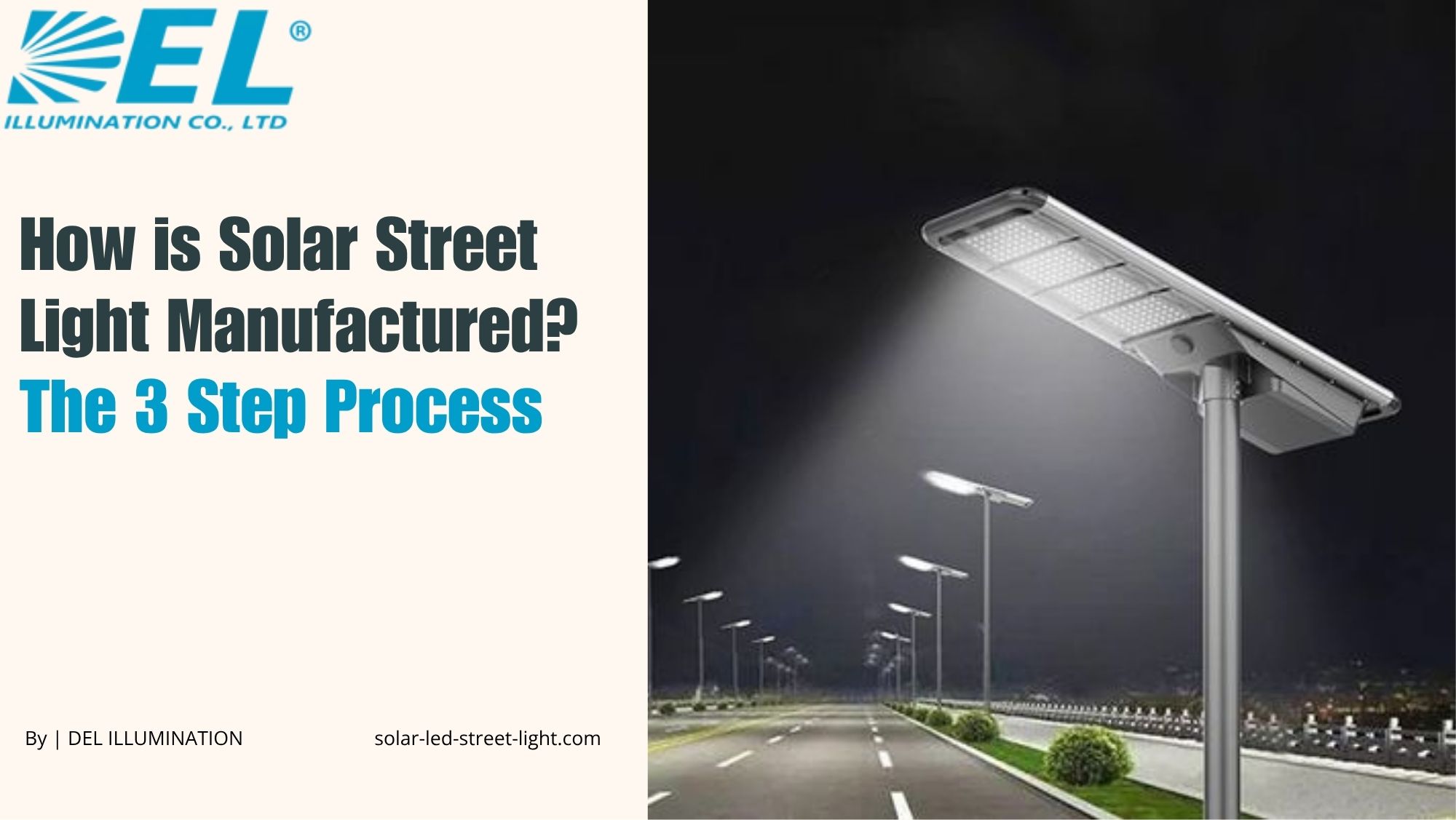
The performance of a solar street light is clear and has been recognised by people across many industries, which is why the number of solar street light manufacturers keeps growing. The key to producing a reliable solar street light is whether the manufacturer has mastered the core technical steps. When a factory has genuine command of its production technology, the product quality is consistently good.
This guide breaks down the manufacturing process into three critical steps, then explains the main components that make up a finished system so you know exactly what quality looks like. Understanding how a light is built also helps you ask the right questions when comparing suppliers, because the difference between a durable unit and a short lived one is decided on the production line long before the light reaches your site.
The 3 Step Manufacturing Process
1. Installing the controller
The controller governs the entire working life of the lamp, so it and the battery must be installed correctly during production. The controller manages all the electric power in the system, handling both discharge and energy recovery.
Because every charge and discharge cycle passes through the controller, careful installation at this stage is essential. A poorly fitted controller or battery connection will affect the operation of the whole lamp, so this step demands precision and testing before the build moves on.
2. Installing the LED light source
The LED light source is the main illuminating component of the fixture. If it fails to light while every other part is working normally, the fault almost always lies in the LED installation. During production, all LED modules should be inspected to confirm they are ready to fit and run.
The installation must follow standard operating procedure and seat each module properly. A loose or misaligned LED assembly reduces output and can shorten the life of the fixture, so this step is checked carefully before final assembly.
3. Selecting the battery
The battery determines the service life of the unit. When a higher quality battery is chosen, the system runs longer and more reliably under normal use. A weak or cheap battery does the opposite, sharply reducing performance and cutting the years of dependable service you get from the light. This is why battery selection is treated as a decisive step rather than an afterthought. You can compare durable, factory matched systems in our All In One solar street lights range.
Components of a Solar Street Light
These lights are popular for their energy efficiency, low running cost, and environmental benefits. Each unit is built from several components, and each one plays a crucial role in operation. Here are the main parts.
Solar panel
The solar panel is the most important component of the whole system. It converts sunlight into electricity that powers the light. Panels use photovoltaic cells that absorb sunlight and produce direct current electricity. The size and wattage of the panel determine how much electricity is generated, which in turn sets the brightness and runtime of the LED source.
Battery
The battery stores the electricity generated by the panel during the day and powers the light at night. Batteries are usually lithium iron phosphate, lithium ion, or older lead acid types, and must hold enough capacity to run through the night. Capacity is measured in ampere hours, and a higher rating means longer runtime for the solar street light. Because the battery is also the component most likely to wear out first, its chemistry and quality have an outsized effect on how many years the whole system stays reliable.
LED light source
LED sources are used for their high energy efficiency, long lifespan, and low maintenance. They deliver bright illumination while consuming very little power, and connect to the battery and controller to switch on automatically at dusk and off at dawn.
Controller
The controller is the brain of the solar street light system. It manages the flow of energy between panel, battery, and LED source for optimal performance. Its jobs include regulating the charge and discharge cycle, controlling brightness, and protecting the battery from overcharging and deep discharge.
Pole and mounting structure
The pole and mounting structure support the panel, battery, LED source, and controller, and anchor the unit to the ground. Poles are usually steel or aluminium and must withstand harsh weather. The mounting hardware holds the panel at the best angle for sunlight and helps deter theft and vandalism.
Sensors
Sensors are an optional component that detect movement and trigger the light to switch on or brighten. Motion sensors are the most common type. When movement is detected, the sensor signals the controller to raise brightness, while light sensors adjust output based on ambient conditions, saving energy through the night.
Conclusion
There are only a few technical matters behind manufacturing a solar street light, and the most important are installing the controller correctly, fitting the LED source properly, and selecting a quality battery so the lamp operates dependably. With sound production and standard maintenance later on, a well built solar street light delivers a long service life without disruption. For a system engineered to these standards, contact our team for guidance and a clear quote. For wider context on solar technology, the International Energy Agency publishes useful research on solar adoption worldwide.
Frequently Asked Questions
What are the three key steps in manufacturing a solar street light?
The three steps are installing the controller, fitting the LED light source, and selecting a quality battery. Each stage is inspected and tested, because a fault in any one of them affects how the finished lamp performs.
Why is the controller installed so carefully?
The controller manages every charge and discharge cycle and protects the battery from overcharging and deep discharge. A poorly fitted controller disrupts the whole system, so precise installation and testing are essential during production.
Which battery type gives the longest service life?
Lithium iron phosphate batteries generally last longest, tolerating heat and cold and delivering thousands of cycles. Cheaper lead acid batteries fail sooner, which is why battery selection strongly influences the lifespan of the light.
How do solar street lights turn on and off by themselves?
The controller uses light sensing to switch the LED source on at dusk and off at dawn automatically. Some units add motion sensors that raise brightness when movement is detected and dim the light when the area is empty.
What makes one solar street light last longer than another?
Build quality across the controller, LED source, and battery is the main factor, along with a sturdy pole and correct panel angle. Standard maintenance after installation further extends the working life of the system.